






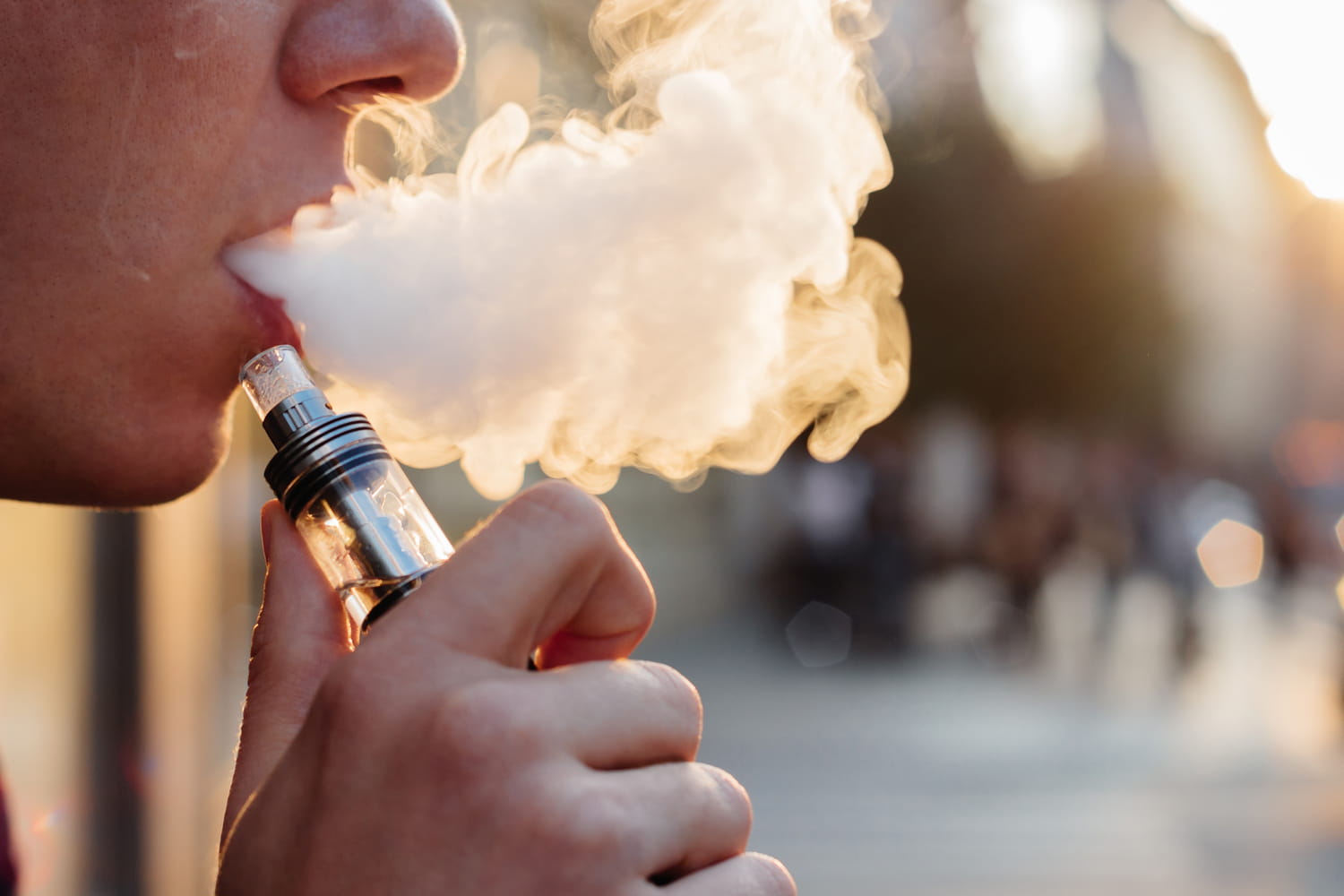
Many electronic cigarette users believe that in the absence of nicotine, the risk disappears. Health authorities warn: this is not the case.
In France, more than 3 million people vape every day. For many vapers, electronic cigarettes are seen as a safer alternative to tobacco, or even as a safe practice when used without nicotine. This perception is today called into question by an expertise from the National Health Security Agency (ANSES), which emphasizes that the absence of nicotine does not mean absence of risk.
The Agency points out that the absence of combustion, often put forward to reassure users, does not exclude exposure to harmful substances. The electronic cigarette heats an e-liquid to produce a vapor inhaled by the user. However, this heating leads to the formation of toxic substances, even when the liquid does not contain nicotine. These substances include aldehydes, such as formaldehyde or acrolein. These compounds are known for their harmful effects on health and are systematically found in vaping emissions. According to ANSES, their repeated inhalation exposes the vaper to a real health risk, regardless of the presence of nicotine.
ANSES considers that certain biological and pathological effects are sufficiently documented to be considered plausible or worrying. Among these effects, when electronic cigarettes contain nicotine, they can damage the lining of blood vessels, increase blood pressure and elevate heart rate. With or without nicotine, they can also modify lung function and cause respiratory problems. Above all, vaping exposes you to a potential carcinogenic risk via the inhalation of toxic substances present in the aerosols. “Several experimental studies in animals, as well as some studies in humans, show the possible occurrence of biological modifications compatible with the first stages of carcinogenesis.” explains the authority. Effects on the development of the fetus are also mentioned in the event of exposure during pregnancy.
This alert comes at a time when vaping is often long-term. Nearly six out of ten vapers have used electronic cigarettes for more than two years. The practice remains largely linked to tobacco: the majority of vapers are smokers or former smokers, and many continue to smoke at the same time. The rise of “do it yourself”, which consists of making your own e-liquids, further complicates the assessment of real exposure to toxic substances.
Given the risks identified, ANSES recommends avoiding any action likely to encourage vaping, particularly among non-smokers and young people. Among adolescents, use is often influenced by fashion and by the attraction of aromas, which contributes to making electronic cigarettes commonplace. The Agency reiterates the importance of enforcing the ban on sales to minors as well as the rules governing the advertising and promotion of these products.
If the electronic cigarette can be considered as a temporary aid to quit smoking for certain smokers, it should not be considered harmless. The message from ANSES is clear: even without nicotine, vaping exposes people to toxic substances.