






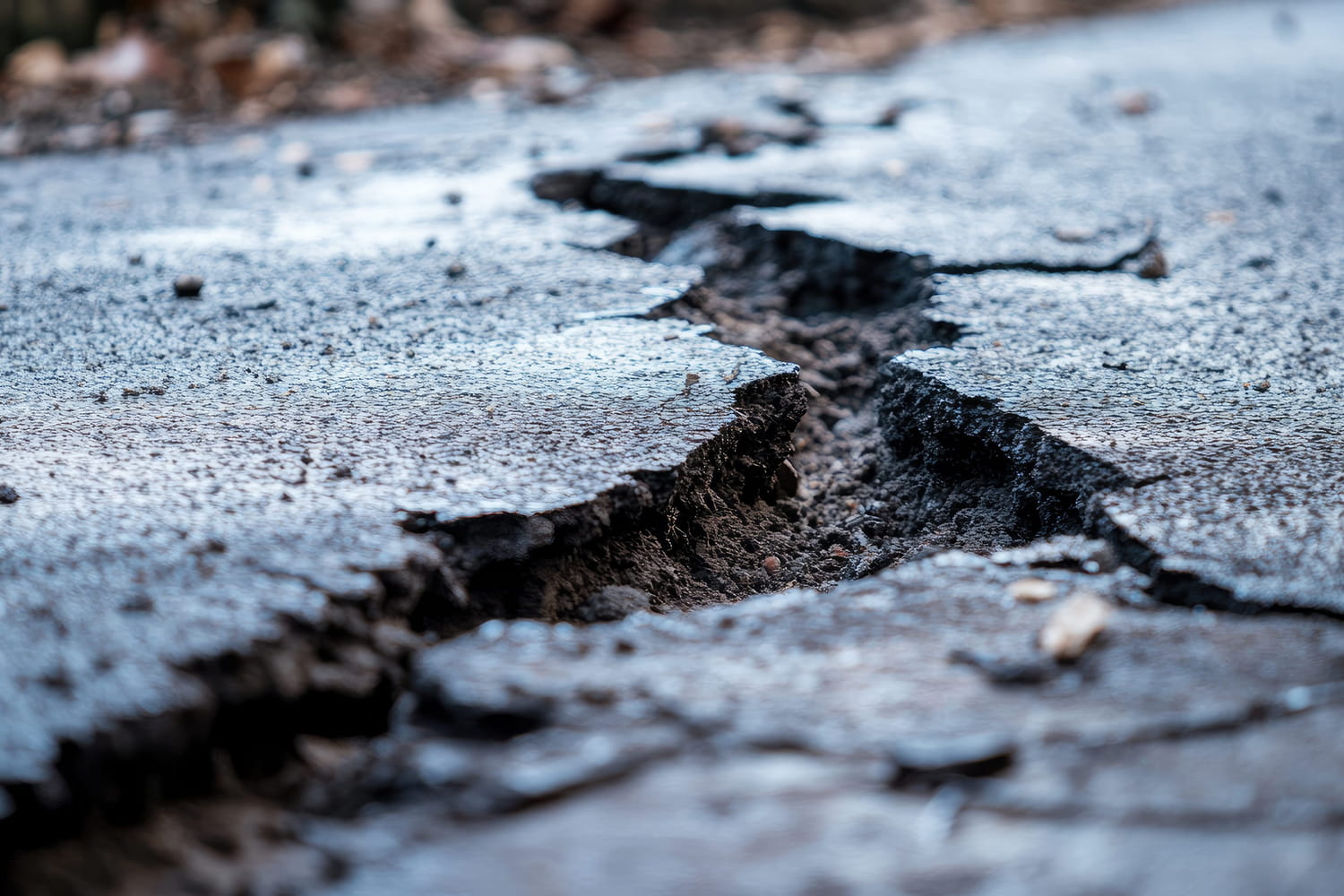
Plate tectonics is a geological phenomenon fueled by the intense heat of the Earth’s center. When currents of rock rise toward the surface, they stretch the Earth’s crust to its breaking point. This process is fracturing a continent, heralding the formation of a future ocean.
It’s a scenario that seems like something out of a science fiction movie, and yet it’s very real. Beneath our feet, the earth’s crust is not a frozen envelope, but an immense puzzle of rock plates in constant movement. This phenomenon, called plate tectonics, is driven by the intense heat from the center of the Earth. When streams of hot rock rise to the surface, they push against the crust, stretching it and eventually breaking it apart. This is called a “rift”. Let’s imagine a bar of chocolate that we try to twist: before breaking completely, it cracks and becomes thinner. This process creates deep collapse ditches where the ground literally sags, revealing spectacular crevices that demonstrate the power of geology.
For populations living above these rupture zones, the consequences are both fascinating and daunting. The sudden appearance of cracks can destroy vital infrastructure like roads, bridges or pipelines without any warning. On a larger scale, this geological activity is accompanied by frequent earthquakes and intense volcanic activity, as fractures allow magma to rise more easily. However, it’s not all negative: these rip zones often create spectacular landscapes and fertile lands thanks to volcanic ash, paradoxically attracting millions of inhabitants despite the increased natural risks.
The main theater of this geological upheaval is located in Africa. The continent is fragmenting along a massive line called the East African Rift System. This giant fault, which extends thousands of kilometers from the Gulf of Aden to Mozambique, gradually separates the Nubian plate (the main block of Africa) from the Somali plate (the horn of Africa).
Ultimately, this separation will isolate part of Ethiopia, Kenya and Tanzania, transforming this region into a gigantic island detached from the rest of the African bloc. This continental tearing will give way to a vast depression that the waters of the Red Sea and the Indian Ocean will one day submerge, giving birth to a whole new ocean on our planet. Although the spectacle is impressive, we should not expect to see the world map change tomorrow. This separation process is extremely slow: the plates move away at an estimated speed of around 7 mm/year, approximately the speed at which nails grow, according to the CNRS.
Scientists estimate that it will take between 5 and 10 million years for the ocean to completely engulf the fault and permanently cut the continent in two. We are therefore witnessing today the very first beginnings of a future ocean, an event which is measured in geological time and not in human time.