




The fraudulent email presents itself as an official message from Health Insurance…
Since the start of the year, many policyholders have received an email purporting to be an official message from Health Insurance. The subject is self-explanatory: “Your 2026 Vitale card is ready to be sent” or “Order your new Vitale card”. The message is all the more misleading as it faithfully reproduces Ameli’s visual identity: same colors, same logo, same layout. At first glance, everything seems legit. But not at all…
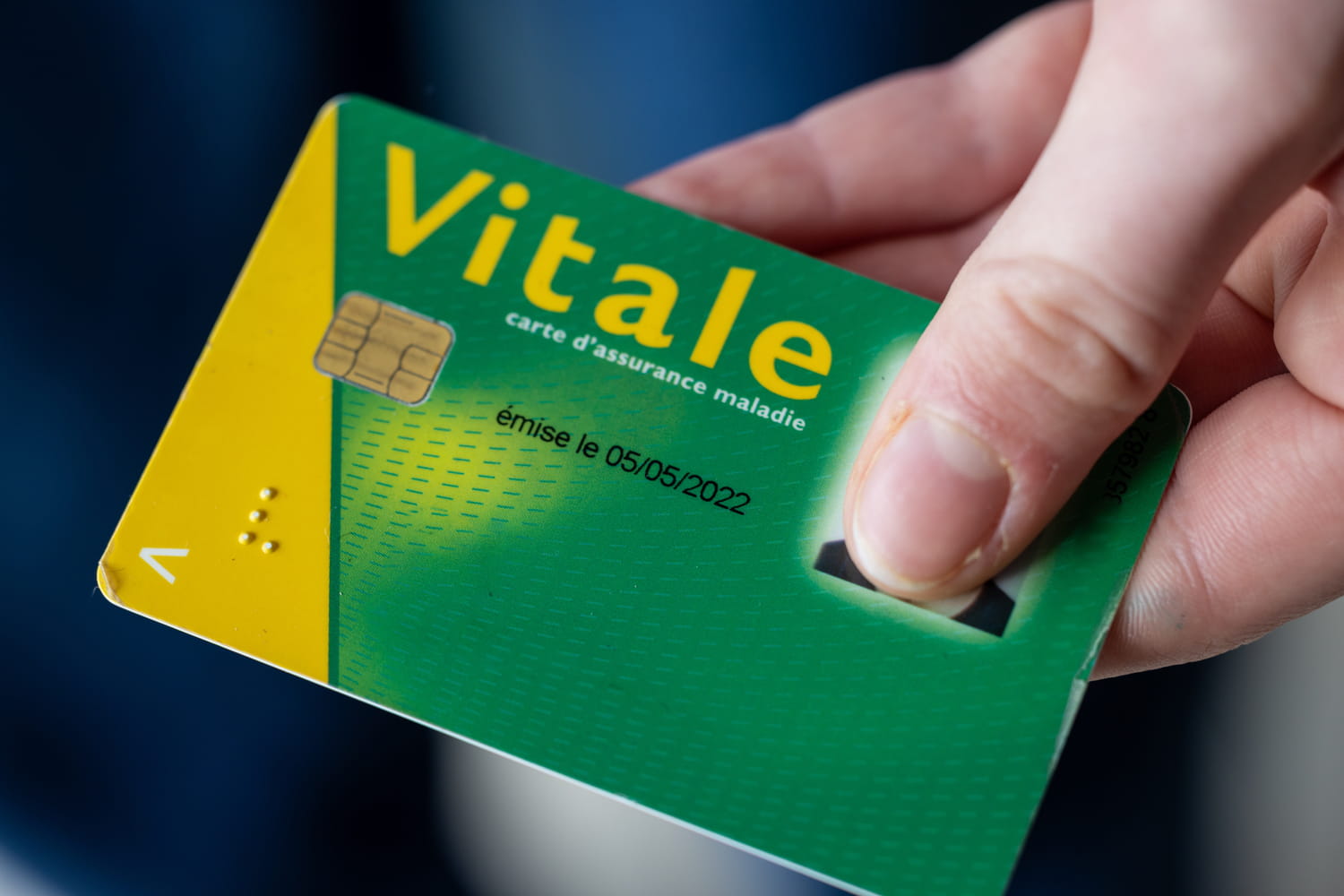
This email is fraudulent. Its objective is simple: to encourage policyholders to click on a link and transmit their personal or even banking data. The first clue that should alert you is the reason given: contrary to what the message states, a Vitale card does not have an expiration date. It remains valid as long as it functions, except in the event of loss, theft or change of administrative situation.
To reinforce the credibility of the scam, the scammers evoke a so-called “new Vitale 2026 card” incorporating “the latest security technologies”. A wording that may recall the recent renewal of other official documents, such as the identity card. But to date, no widespread overhaul of the Vitale card has been announced. The email goes even further by including a fake “Frequently Asked Questions” section. One of them asks if the current card is still valid; the response indicates that it would be “until its expiration date”… Completely erroneous information, but reassuring enough to convince the most suspicious.
By clicking on the proposed button, the victim is redirected to a fake Ameli site, also very well imitated. You are then asked to provide your identity, postal address and, above all, your bank details, supposedly necessary for sending the card. This is a particularly neat phishing attempt. However, certain details allow you to spot the scam. The sender’s address, for example, ends in “.com”, while official communications always use a “.fr” domain. Another red flag: Health Insurance never asks for banking information by email.
If in doubt, it is recommended not to click on any links and to log in directly to your Ameli account via the official website. And if sensitive information has already been transmitted, it is important to contact your bank quickly and report the scam to the competent services.