






Its journey through our digestive tract sometimes reserves unpleasant surprises.
A swollen stomach and uncomfortable abdominal pain… These well-known symptoms of bloating are due to an accumulation of gas in the intestines which are difficult to eliminate. If we readily blame a meal that is too copious or the abuse of soft drinks, certain so-called “healthy” foods can also be the triggers. Nutritionist Oliver Goble points to a fruit that is particularly appreciated for its slimming properties, but which can nevertheless put our digestive system to a severe test.
This fruit contains “natural sugars and fermentable carbohydrates (called “FODMAPs”) that some people have difficulty digesting”explains the nutritionist to the Daily Mail. Arriving intact in the colon, these sugars attract water and ferment our intestinal bacteria, which releases gas and causes the belly to bloat. Researchers confirm in a study that “In people with sensitive digestion, they can sometimes contribute to bloating”. A phenomenon to which people suffering from irritable bowel syndrome or visceral hypersensitivity are, unsurprisingly, particularly vulnerable.
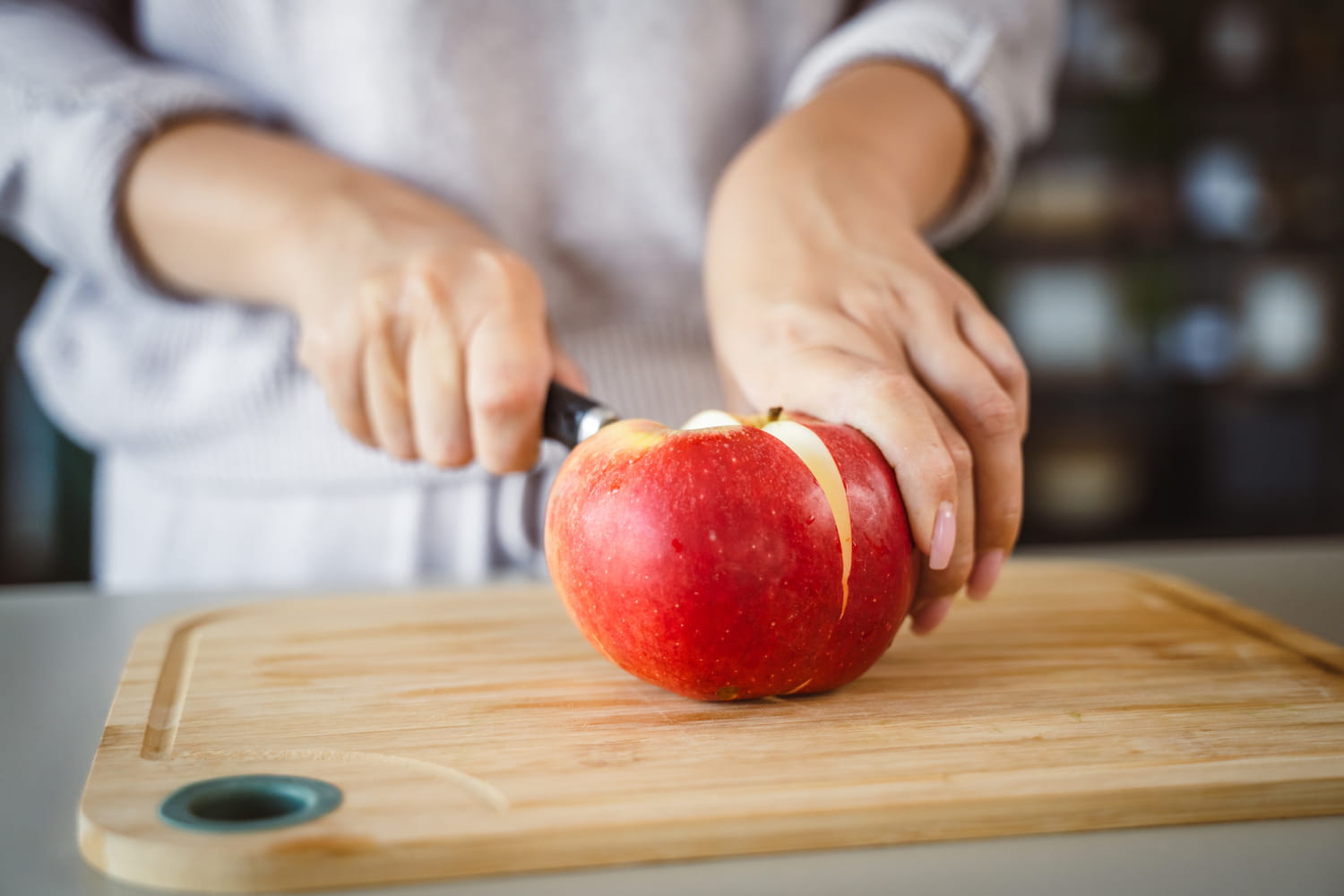
So what is this fruit that we should be wary of? The apple. Both satiating and low in calories, it is legitimately considered the ultimate appetite suppressant fruit. It is also one of the fruits richest in fiber if we eat the skin, fiber which paradoxically contributes to the maintenance of good bacteria in our intestines. But the apple is also a fruit rich in FODMAPs, notably fructose and sorbitol, two sugars known to promote gas and bloating in sensitive people. This is why people with more delicate intestines may have difficulty tolerating it.
However, there is no need to permanently ban it from our diet. Oliver Goble reassures by recalling that “bloating does not necessarily mean that a food is bad for your health.” It is simply a mechanical and natural reaction of our microbiota to highly active nutrients. The nutritionist insists: “Many times these foods are extremely nutritious. The key is to understand that even healthy foods can trigger digestive upset in some people.”
Instead, the solution is to identify foods that your body would prefer you to reduce your consumption of. To continue to benefit from its benefits without suffering, the important thing is to maintain a daily intake of fruits and vary them as much as possible in order to benefit from all possible nutrients, while judiciously adapting the portions to your own digestive tolerance. Finally, certain anti-bloating tips help to avoid inconvenience. For example, before a meal, you can eat raw fennel to prepare the work of digestion.