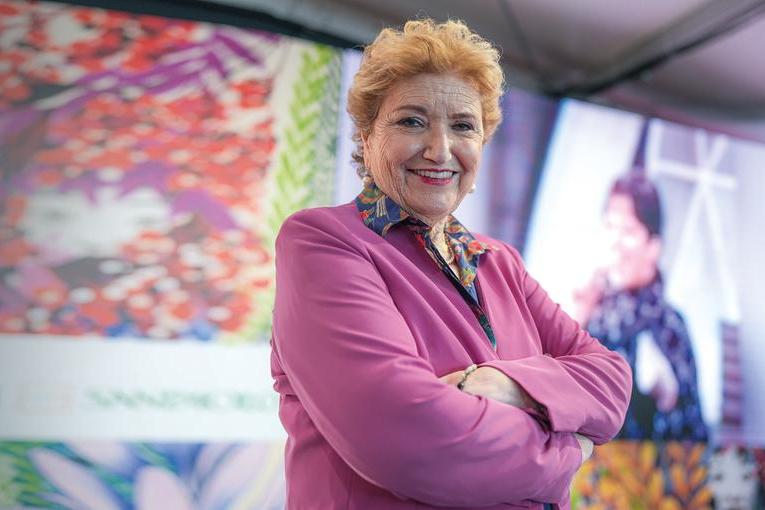





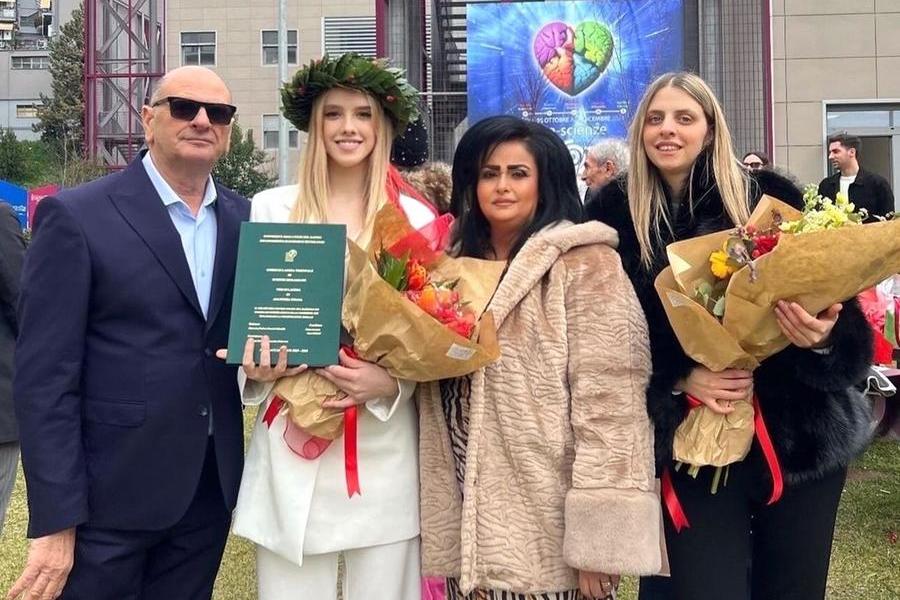
They have passed 20 years since his adoption and that of his little sister Annawho was then 2 years old while she had turned 8. Born with the name Milvyde in the village of Skaciai in Lithuania and transplanted to Agropoli, in the province of Salerno, Fatima Sarnicola decided to retrace the before and after in the volume “The little girl no one saw”, hot off the press for ON editions (pp. 240, €16.90), a new editorial brand of various kinds created by Alpha Test. «Adopting does not mean saving, but welcoming a child with a past», underlines the young biologist who will turn 28 on November 1st, who has become an influencer and a popularizer on these issues: she has 121 thousand followers on Instagram and over 165 thousand on Tik Tok. Furthermore, in 2023 she has founded the digital monthly Adopt Life.

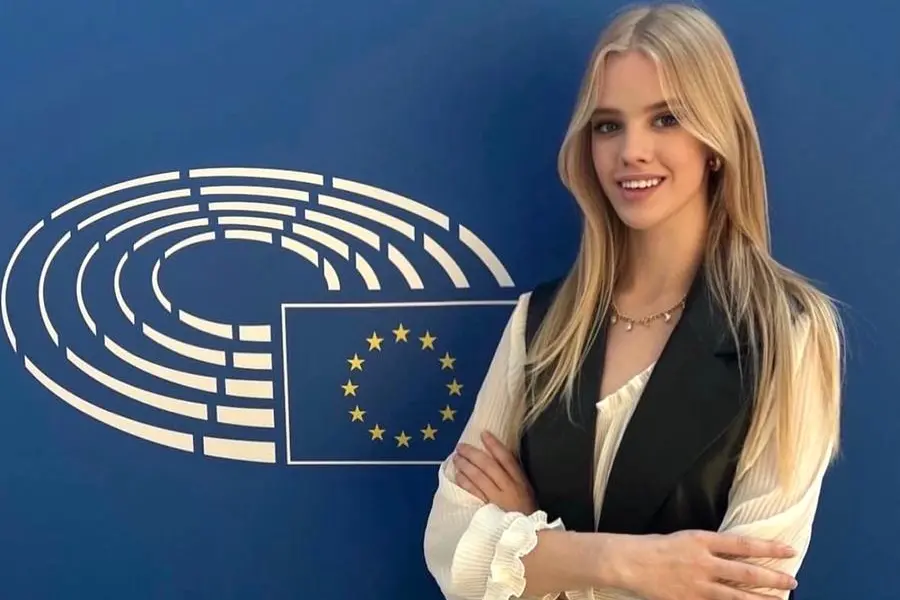
It wasn’t easy for her to retrace her painful and dramatic story, marked by 6 years in an orphanage, even though she had a mother who couldn’t take care of her and her 13 siblings: «I thank my biological family, for the beginning. I thank my adoptive family for welcoming not only me, but also my past», writes Fatima (name chosen by herself upon her arrival in Italy), who always has words of love for her biological mother. «We will never know the reasons that pushed my mother to bring me into the world and then abandon me. We will never be able to truly understand what he experienced, what he felt. I know that I am the last piece of a long violent and tragic history, like many other children born in Lithuania which became independent again but remained desperately poor”, he says with clarity and awareness.
When she was two years old, a neighbor reported the deteriorating situation to the social workers, who took her from her home to an orphanage: mistreatment and violence marked the child she was, repeating itself even during a period of entrustment to an aunt.. The script definitely changes when she is adopted, but Fatima rejects the rhetoric of adoption as a “rescue”, rather she considers it an investment in the future.

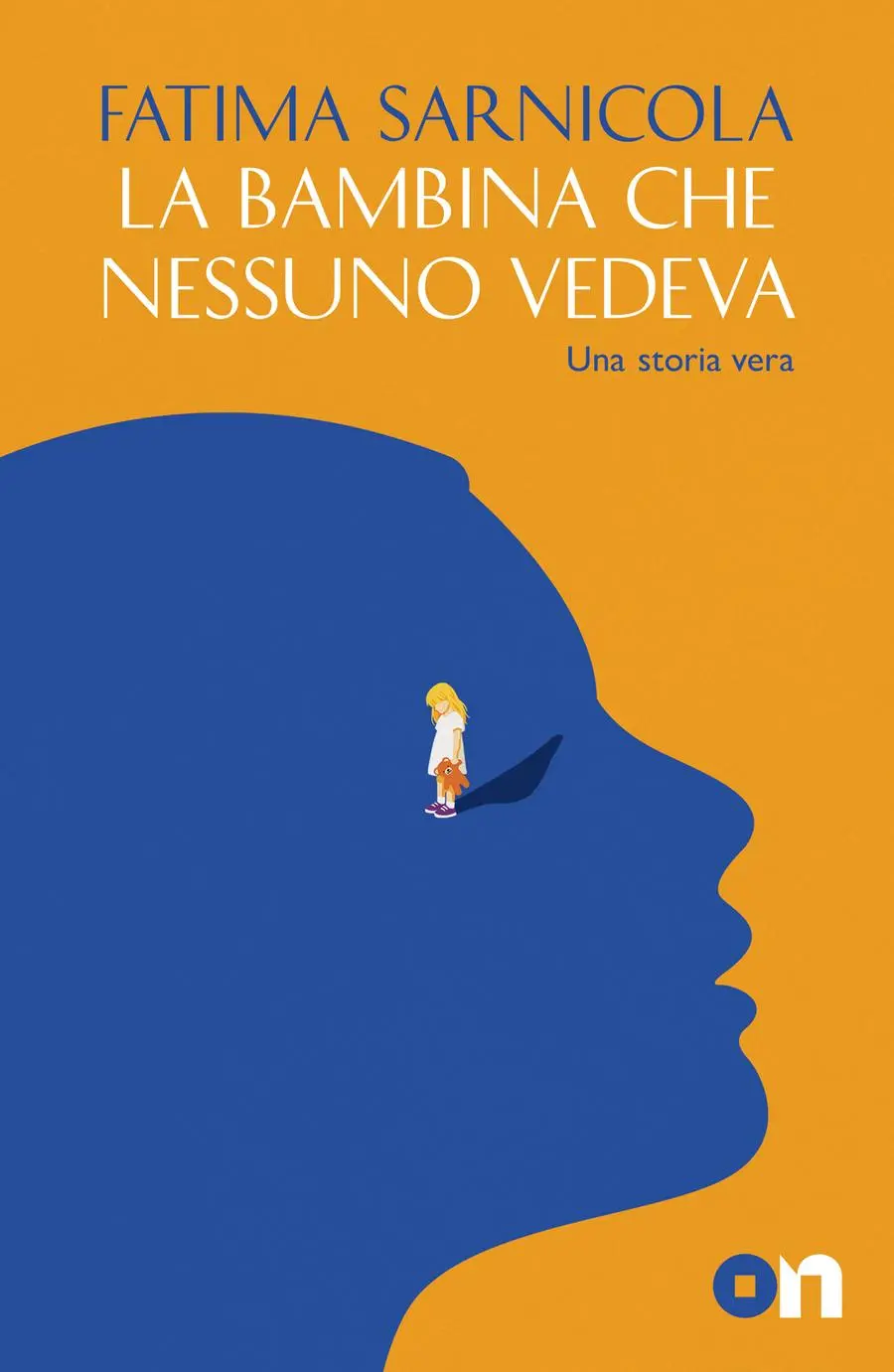
In the first pages the girl summarizes her experience: «Adoption is not just a new family. It is a second birth that happens while you are still alive. It’s learning to pronounce new words when the old language still burns in your throat. It’s being grateful and hurt in the same breath.” It is a painful and crystal clear testimony at the same time: «I became a daughter twice. The first, in the womb of a tired woman who loved me as much as she could. The second, in the arms of those who chose me when I couldn’t choose anything. Between these two births there is a void. A long, cold corridor, full of lined up beds. There is the smell of the orphanage. There is the fear of no longer belonging to anyone».
The message that Fatima Sarnicola – today in Turin to complete – is particularly intense postgraduate specialization in Nutrition –addresses those who are waiting to adopt: «Don’t look at those forms as cold bureaucracy. Every signature, every interview, every month of waiting is a step you are taking towards a child who is already dreaming of your face, even if he doesn’t yet know that you exist. Waiting is not wasted time; it is the time when you are building space in your heart to welcome a storm. Do not be discouraged by the silence of the courts or the slowness of the institutions. That child has waited his whole life to be seen; you can wait a little longer to be his light. You are not adopting a “need”, you are adopting a story that seeks a new author».

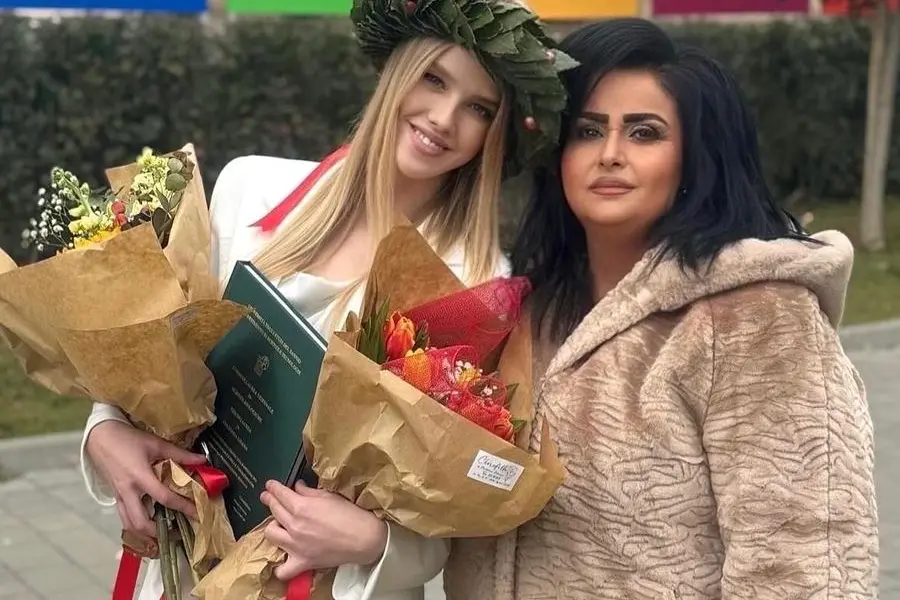
To those who have already adopted, however, he writes: «When your child screams, when he runs away, when he tells you that you are not his real parents, don’t listen to his anger, but to his fear. He is testing you to see if, like everyone else before you, you will walk away when the darkness gets too thick. Stay when dishes break, when school debts mount, when makeup covers your face. Your success is not measured by the grades on the gradebook or the perfection of their smiles, but by your ability to remain seated next to them among the shards. Adoption is not the rescue of a poor orphan; it is the meeting between two courages: yours, to love those who don’t look like you, and theirs, to trust those who didn’t create them.”


And again: «You are not “second-class” parents, you are pioneers of a love that goes beyond the flesh. One day, that child who today seems like an unsolvable mystery to you will stand on his podium, win his marathon or simply look at you and say “thank you”, in that moment, you will understand that every tear and every cry were the bricks of the most solid house in the world.” Finally, the invitation to be «guardians of his memories, not jailers of his identity. Only when an adopted boy feels he can honor his past without betraying his present can he truly feel at home.”