





Ideal after 50 years, this vegetable dethrones the banana thanks to its exceptional richness in potassium to protect the arteries.
From the age of 50, potassium becomes an even more essential mineral because it helps regulate blood pressure, preserve the elasticity of blood vessels and avoid the risk of cardiovascular accidents (stroke). In the collective imagination, as soon as we talk about potassium and the heart, we immediately think of bananas. Although it is true that bananas contain potassium, they are far from being the most effective source on a daily basis, especially since they also provide a lot of sugar. At the same time, a seasonal green vegetable succeeds in dethroning the banana.
A study published in the JRSM Cardiovascular Disease found that daily consumption of this vegetable (and its cousins) was associated with a 16% reduction in the incidence of cardiovascular disease. Everything comes down to the raw concentration of the mineral in relation to its number of calories, which allows you to consume real portions without weighing on the scale. Totally full of water and protective fibers, this vegetable displays exceptional mineral density while being very low in calories (30 calories per serving), which makes it a real shield for the cardiovascular system.
The vegetable best supplied with potassium is chard. According to the official ANSES nutrition table (Ciqual), a 150-200 gram portion of boiled chard contains 980 mg of potassium compared to 380 for a banana, or almost 3 times more. Potassium counteracts the effects of sodium (salt). By helping the kidneys eliminate excess water and salt, it mechanically lowers blood pressure. Be careful, however: excess potassium (more than 3000 mg) can be dangerous, particularly in cases of kidney failure where medical supervision is required.
Chard also provides magnesium which acts as a natural relaxant for the muscular walls of the arteries, as well as natural nitrates which have the ability to dilate the vessels and reduce arterial stiffness.
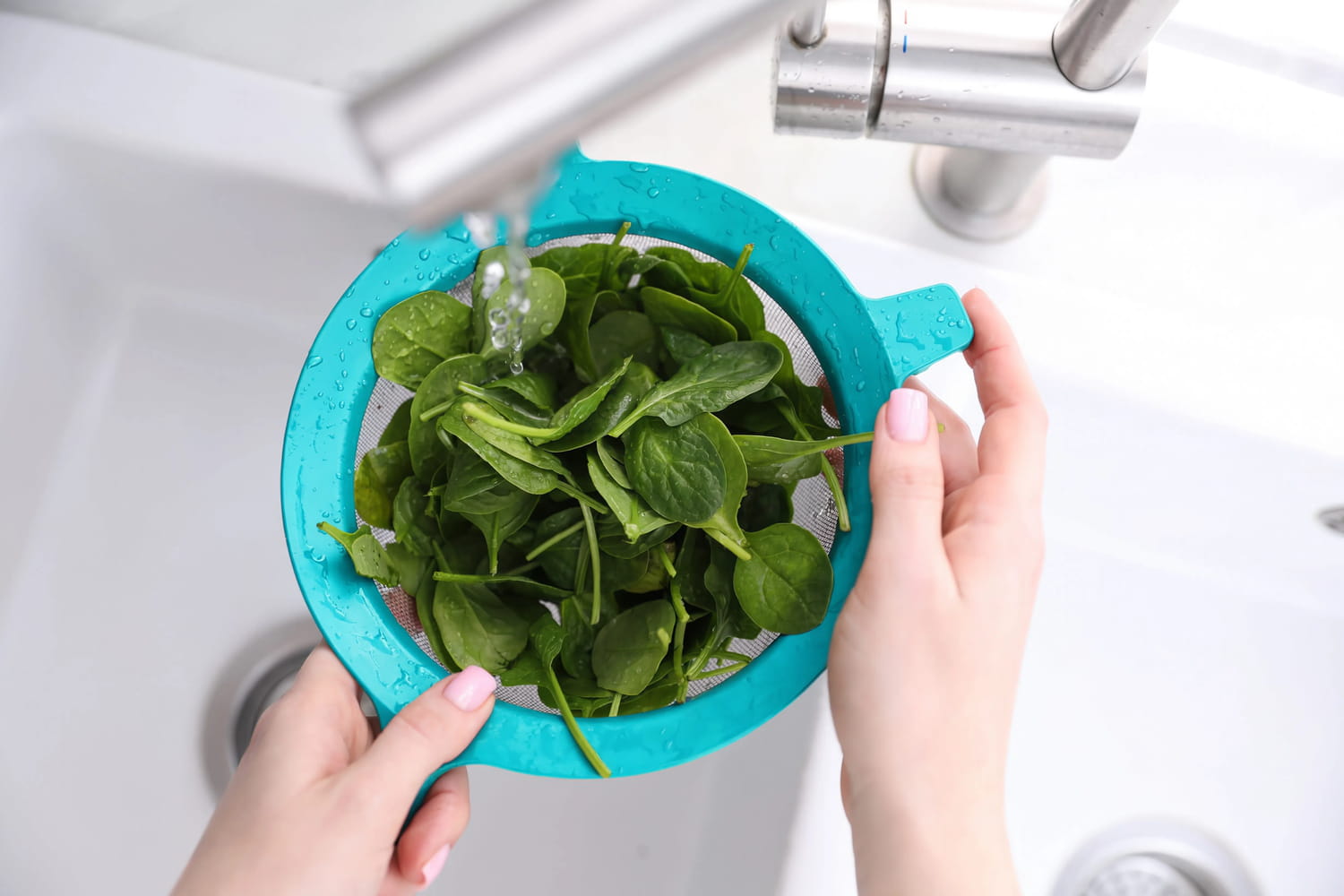
Chard looks like spinach and is cooked in the same way: as a gratin, in a quiche, in a soup, or simply sautéed in a pan in olive oil. Its peak season is the month of June: it has a sweeter and less bitter flavor than autumn chard.