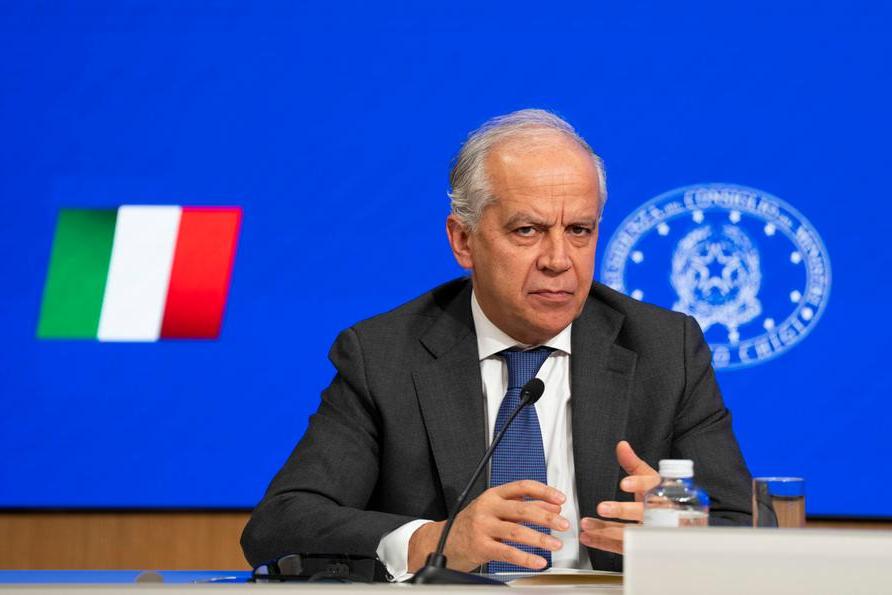


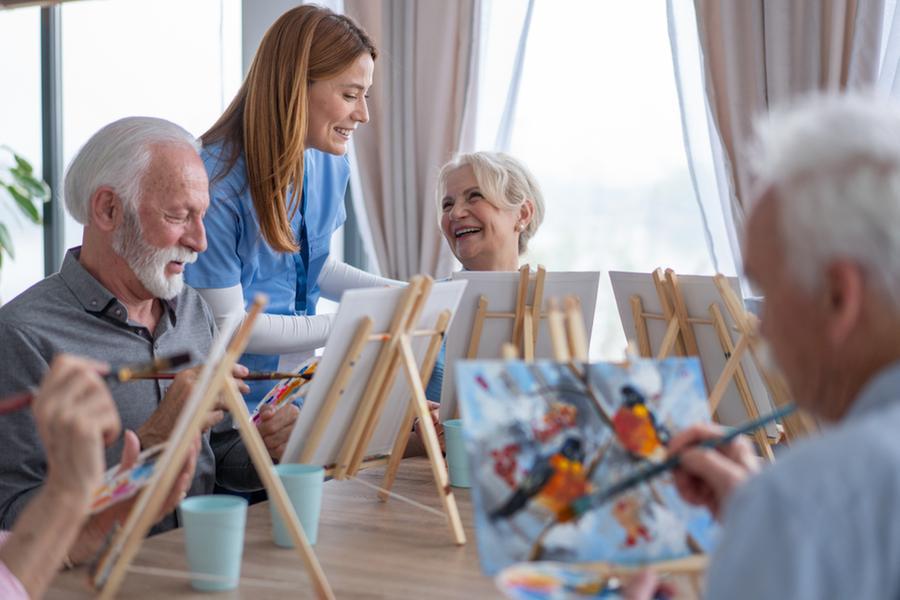


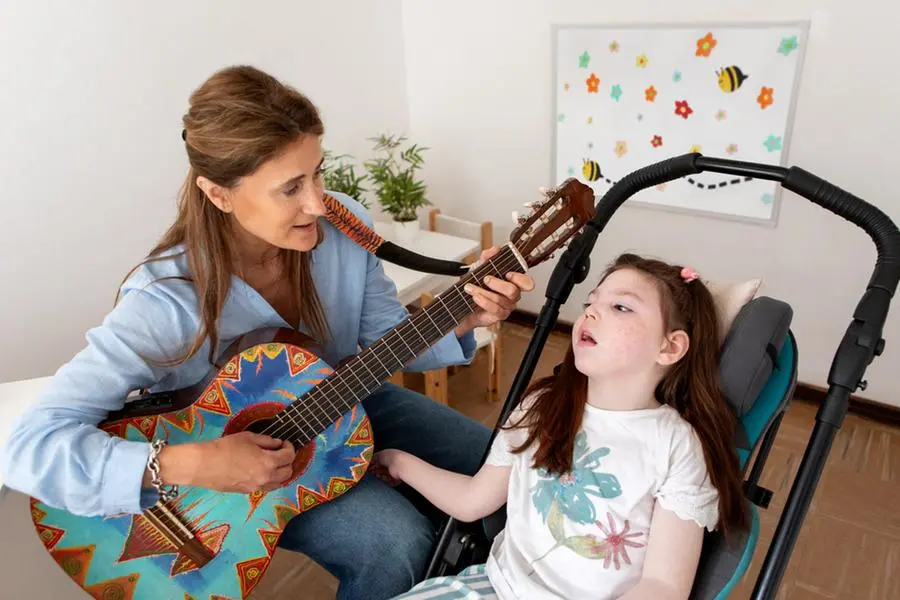
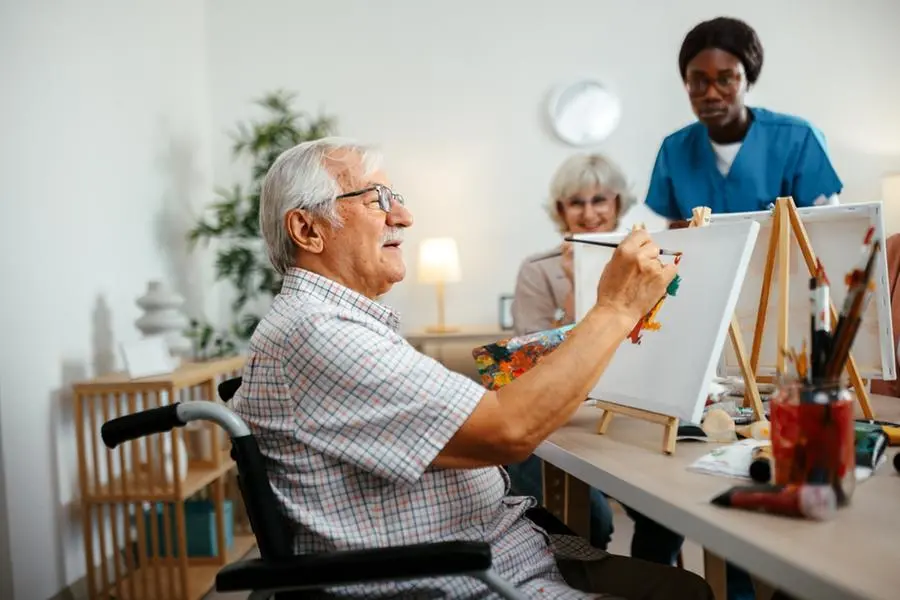
Art as a cure: this can be summarized as the result of a series of scientific studies that have demonstrated that artistic laboratory activities, but also simply attending a show, visiting an exhibition, or listening to music can help reduce anxiety, depression and stress, promote emotional expression and social interaction, promote psychophysical well-being and generally improve the quality of life. Starting from this assumption, a Memorandum of understanding between the Ministry of Culture and the Ministry of Health regarding the prescription of healing artpresented during the State-Regions Conference by SEighth Secretary of Culture Lucia Borgonzoni.

In his speech he declared: «Finally, Italy will equip itself with a tool which, starting from the many initiatives undertaken so far on the national territory – which with the establishment of a technical table we will survey to make the most of it and build models that can be replicated on a larger scale – will also be able to recognize culture’s ability to complement medical care as a therapeutic tool. This is a topic that I have been following with particular attention since 2018 and which, as the last stage, saw the conference organized at the Collegio Romano last June, an opportunity to open a discussion between institutions, the healthcare world, universities, cultural operators and the Third Sector. The objective is to arrive at univocal data, and no longer patchy, on the effectiveness of the enjoyment of beauty and social (cultural) prescription also in Italy, starting with the involvement of people suffering from pathologies such as neurodegenerative ones or who suffer from depressive states. Beauty not only cures but helps fight loneliness and sedentary lifestyle. My hope is that in our country too we will be able to have an impact on the economic and social system.”
Among the studies cited is the one conducted in Great Britain by University College of Londonaccording to which the activities of museums involved in the prescription of art therapy courses led to a 37% reduction in GP consultation rates and 27% of hospital admissions. It is estimated that for every £1 invested in the prescribed arts there was a return ranging from £4 to £11.
The Memorandum of Understanding does not create a mandatory medical prescription in the pharmacological sense, but establishes a new institutional and operational framework in which the enjoyment of art and cultural activities is recognized as a tool to support psychophysical well-being, with the aim of structuring and disseminating this practice in a systematic way within national health services. It initially envisages the launch of an organic and no longer fragmented system to study, collect and develop unambiguous data on the effects of cultural enjoyment on health, with the aim of making the “prescription of art” a systematic and replicable practice.
A working group is established between the two Ministries to survey existing initiatives on the national territory; develop replicable intervention models; define shared operating protocols; monitor the impact on the individual (also in terms of well-being and quality of life). One of the declared priorities is involve people with specific pathologies:
people with neurodegenerative disorders;
people suffering from depressive states;
vulnerable subjects from a psychological or social point of view.
The objective is to make this therapeutic approach organic, on which various initiatives are already based, however patchy and entrusted to the initiatives of individual entities.