





Promotions, price comparison sites, loyalty cards… What if none of these strategies were the most effective in reducing your receipt at the supermarket? A new way of shopping could be a game-changer.
Shopping at the supermarket is rarely fun. Spending an hour in the aisles of the store, waiting in line at the checkout, and carrying ever heavier bags… It’s a real chore for many of us. And that’s without taking into account the bill, which is often very salty. No matter how much we prepare a shopping list, travel a few more kilometers to find the cheapest brand, select the products with the best quality/price ratio at the top of the gondola, scan the catalogs of supermarkets, or even deprive ourselves of certain little pleasures to stay within the budget, the surprise is always the same: when looking at the receipt, you feel like you have emptied your wallet more than filled your fridge.
The figures speak for themselves: financial pressure is now pushing 6 out of 10 French people to reduce their food spending. This is twice as much as fifteen years ago, to the point that half of the population admits to skipping meals, as highlighted by an Ifop study in 2023. So obviously, any proposal is worth taking to try to lower the bill in supermarkets. Recently, a new strategy has been talked about: “backwards shopping”, which could be translated as “purchasing in reverse” in French. Several economic experts praise this method in the Anglo-Saxon media, as do certain consumers on social networks. Lauren Thorpe, a British blogger quoted in several local newspapers, even assures that she now saves nearly 700 euros per year on her supermarket shopping budget, by shopping “in reverse”.
Concretely, backwards shopping shakes up our most anchored family habits. Usually, we plan meals for the week, and make a shopping list accordingly. This involves doing the opposite, starting with a complete inventory of what you have at home, while carefully checking the expiration dates, before establishing the menu accordingly. We then only buy what is missing to complete the planned revenue, and nothing more. Objective: enter the supermarket with a clear mission and avoid impulsive purchases on the shelves. No more returning from the supermarket with those famous cans of tuna on sale, which are added to those that we had forgotten at the back of the cupboard…
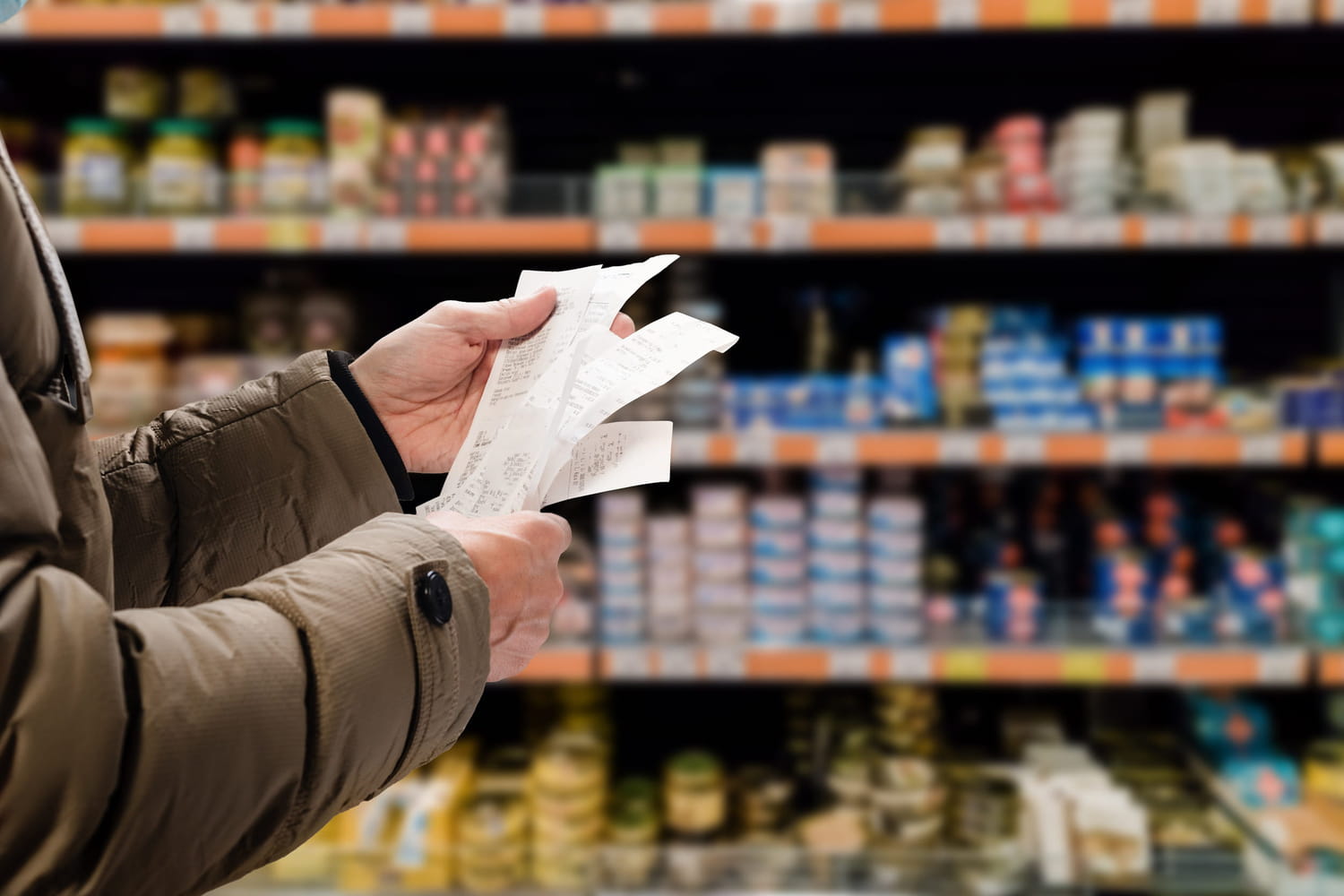
Since most consumers are used to regularly purchasing the same products, the best method is to look at the receipt from previous purchases, and cross out the items that you still have. For her part, Lauren Thorpe explains that she “check what she has in her cupboards, fridge and freezer” every time she goes to the supermarket. It then uses artificial intelligence to “generate meal ideas” based on these ingredients. Of course, the most creative will be able to use only their chef’s soul for this step, but the result remains the same: it saves money, reduces waste, and returns home with much lighter bags. Result: a more controlled average basket and fewer unnecessary products slipped into the cart. The young woman says, after three years of applying this strategy, she notices an annual saving of around 600 pounds sterling, or a little less than 700 euros.
Although it is not completely revolutionary, this reflex of “reverse shopping” is a response to two intrinsically linked problems: the decline in purchasing power, but also food waste. According to the latest figures from ADEME, a French person throws away on average 61 kg of food waste per year, of which 19 kg is still edible. Financially, this represents a loss of 100 euros per inhabitant. In a family of four, this amounts to throwing 400 euros in the trash every year! In a context where inflation is raging, and where ecological issues are at the heart of concerns, starting by opening your cupboards before opening your wallet is undoubtedly the best habit to adopt.