




The participation of citizens in the constitutional referendum on justice, the spiral of war in the Middle East with the populations increasingly affected, the role of the Church in Italian society after Covid.
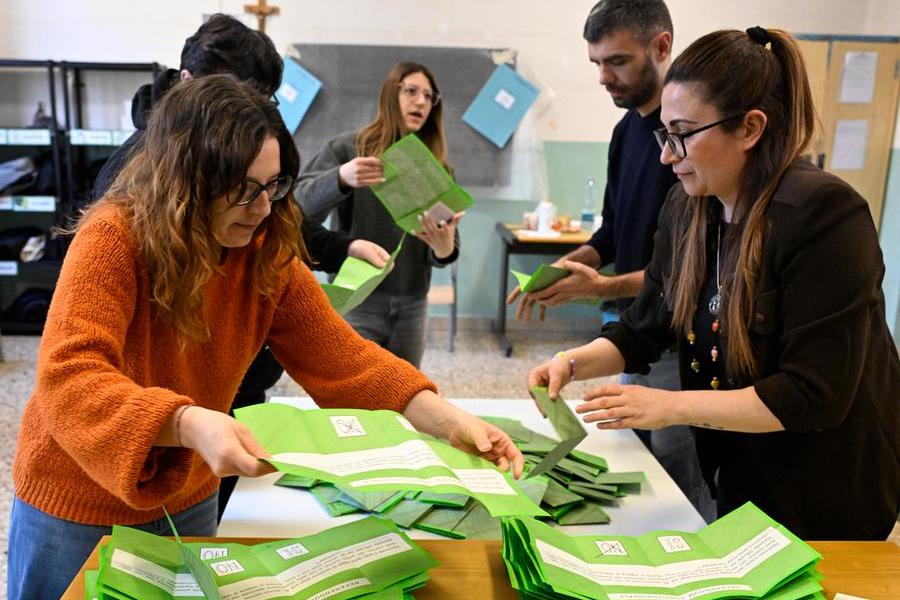
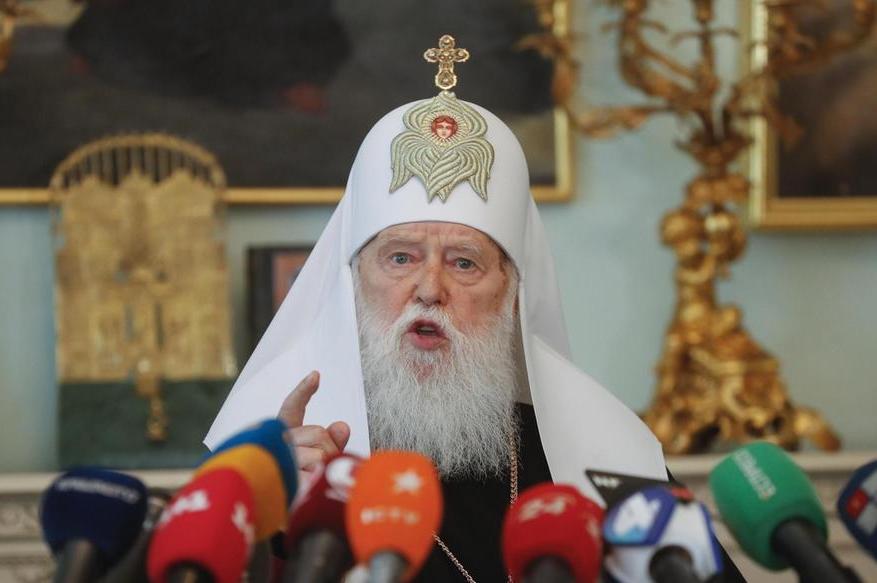
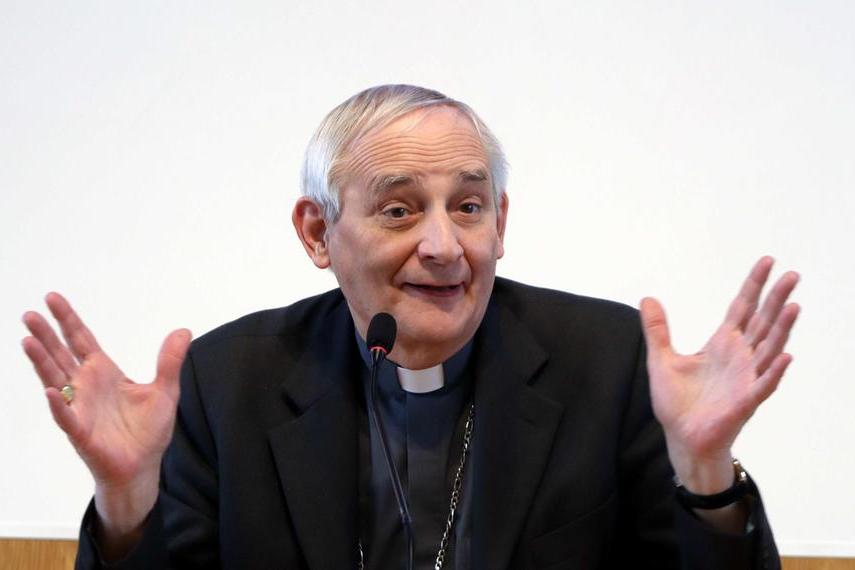
These are the most important issues addressed by Cardinal Matteo Zuppi, president of the CEI, in the opening speech of the Permanent Episcopal Council which takes place in Rome until Wednesday 25 March. The initial reference is to the constitutional referendum on justice reform, an occasion which, despite tensions and conflicts, brought the value of democratic participation back to the center with a turnout that reached 59%.
«The attention paid to this appointment», observes Zuppi, was evident “despite the dangerous polarizations that have not helped us understand the underlying and questionable matters.” A passage that warns against simplifications and ideological contrasts, recalling instead the need for a deeper and more conscious comparison.

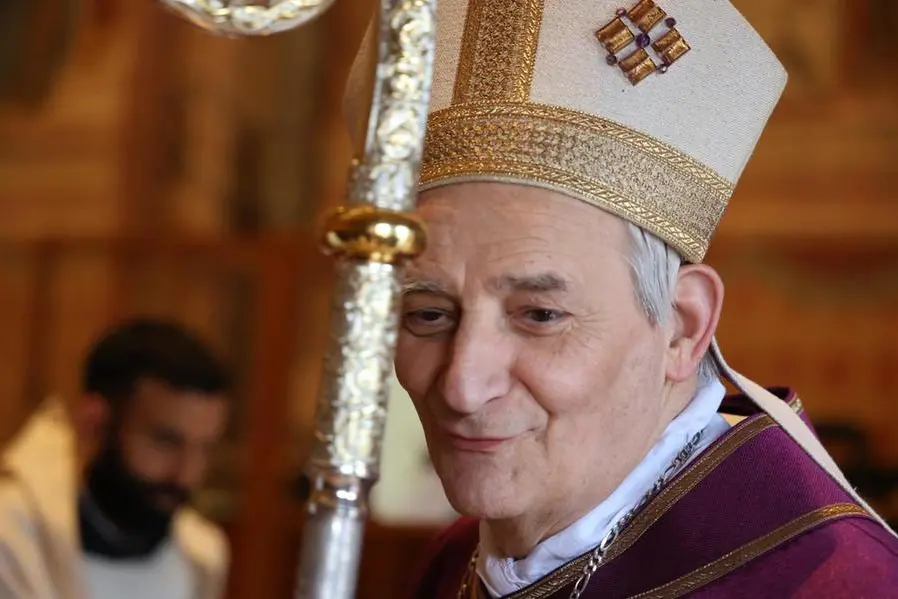
At the heart of the reasoning lies the theme of participation: «This is at the heart of our Constitution and, despite the differences, it allows each and every one to express themselves at their best». A principle which, according to the president of the CEI, cannot be reduced to a mere formal fact, but questions the concrete way in which jurisdiction is exercised in the country, “an important hub for the protection of the common good and the pursuit of justice”.
Hence the hope that political and social confrontation will find new paths: “Always taking into account the balance between the powers of the State that the founding fathers have left us as a precious legacy and which everyone must preserve, we hope”, the cardinal hoped, “that the path of responsible and constructive dialogue between the social and cultural forces and the different political parties will be chosen, in the search for the indispensable possible consensus around good solutions”.
Looking at the Middle East: “We cannot remain silent”
From the national dimension the gaze immediately broadens to the international scenario, marked once again by the violence of the conflicts in the Middle East. Zuppi renews its closeness to the Christian communities of the region, echoing the words of Pope Leo XIV: «We cannot remain silent in the face of the suffering of so many people. What hurts them hurts all of humanity.”
The cardinal also recalls the testimonies received from the Patriarchs, including that of Cardinal Pierbattista Pizzaballa, who spoke of a time in which «Herod’s threats were not lacking and not even the cries of the innocent were lacking». Words that convey the drama of the situation and the need for an international response.
«War cannot resolve disputes», recalls Zuppi, relaunching a clear appeal: «A ceasefire must be decided so that the war is not a spiral that makes everyone fall into an abyss». The reference to the Collection for the Holy Land next Good Friday, a concrete sign of ecclesial solidarity, also fits into this context. The president of the CEI then recalled the figure of Father Pierre Al-Rahi, the priest killed in Lebanon for remaining close to his community until the end: «His sacrifice remains (…) a luminous seed of hope, reconciliation and peace». An example that is connected to the memory of the missionary martyrs, celebrated on March 24 in memory of Oscar Romero. “Spring people”, Zuppi defines them, capable of bearing witness to the Gospel even in the most difficult situations.
A Church called to creativity and proximity
Ample space is dedicated to ecclesial life in Italy, marked by the consequences of the post-pandemic. “We have seen a laborious recovery of presence”, recognizes the cardinal, underlining however that even the less visible faithful “are part of our people”. Hence the invitation to a renewed shared responsibility: “This calls everyone to creativity, which is spent in brotherhood.” A creativity that translates into concrete holiness: “Holiness is not perfection, but a reflection of the love of God in the poverty of our lives.”
Zuppi takes up Father Lebret’s intuition, indicating the need for “men and women of synthesis”, “weavers of brotherhood” capable of building bonds in a fragmented society.
Against polarizations, the primacy of unity
A central passage concerns the contemporary cultural climate: «We live in times of polarization. We see it in political life, in general debate, on social media and everywhere. This tears society apart.”
The answer, for the Church, is the recovery of unity: “It is not a superficial uniformity, but is rooted in the Eucharist”. A unity that is expressed in parishes, associations, movements and in the daily life of communities, often silent but decisive. Zuppi thus pays homage to those who work in the ecclesial fabric: «The ordinary life of our Churches continues to preserve a web of good that holds the country together much more than is often recognized».
Social challenges: young people, work, migration
There is no lack of reference to the major social issues: youth emigration, job insecurity, the housing problem, poverty and migration. “We can never get used to” the tragedies in the Mediterranean, warns Zuppi, reiterating the Church’s commitment to issues “on which the future of our civilization is at stake”.
The identity of the Church and the mission of the Gospel
In closing, the cardinal clarifies the meaning of ecclesial presence: «It does not arise from the search for space, but from an evangelical responsibility».
«It is not directly up to the Church to engage in politics. But precisely for this reason it is up to the Church, with even greater passion, to form free, mature, courageous lay consciences, capable of discernment and responsibility”, said Zuppi, warning against the risk of “disengagement”, and from “improperly replacing the responsibility of the laity, intervening directly where instead the freedom of the Christian conscience is decisive in the construction of the common good”. “There is then the risk of politics or social organizations claiming to enlist the Church, to bend its freedom, to seek its endorsement, to use its voice for their own positions”, the cardinal’s warning: “When this happens, it hurts politics and it hurts the Church”. The Christian community, however, “remains faithful to a high and necessary distinction: it recognizes political authority as a service to the common good, but preserves freedom of speech and judgment when the ethical principles that promote the dignity of the person are at stake, when the poor are trampled upon, when force takes the place of law”. “The disciples of Jesus Christ are continually called to understand what it means to build the common good and put themselves at the service of God’s plan for humanity”, recalled the president of the CEI, according to whom “it is important not to fail in our commitment as Christians who believe in human life, in the family, in education, in volunteering, in peace, in dignified work, in an economy for man, in the care of creation, in the inclusion of the poor”.
Finally, a look at the synodal path and the future: “The proclamation of the Gospel remains in today’s world”. Returning again to the words of Pope Leo, Zuppi relaunches the fundamental priority: «A renewed impetus is needed in the announcement and transmission of the faith (…) returning to the foundations of our faith, to the kerygma. This is the first great commitment that motivates everyone else.”