
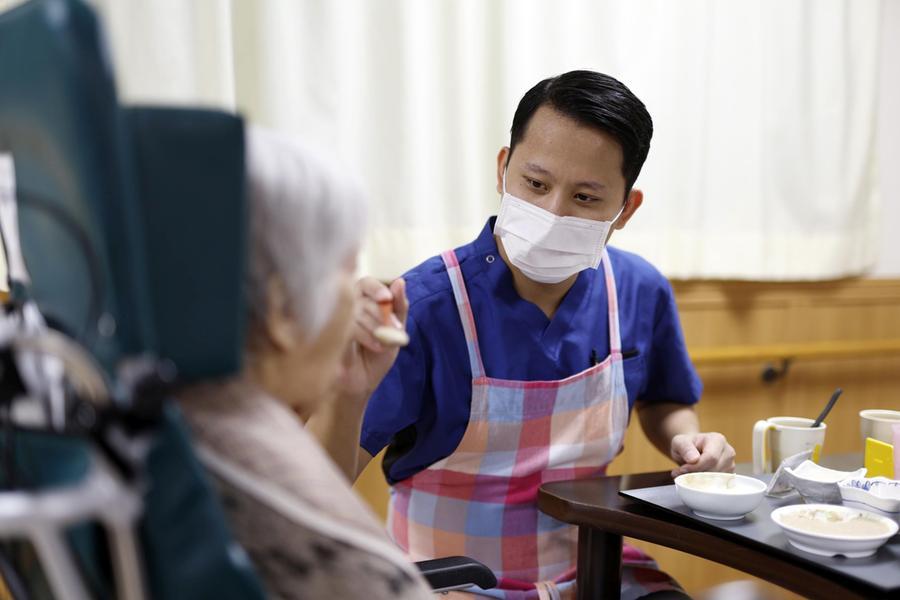




They will be presented on Friday 23 January at the Catholic University in Milan the results of the PRIN 22 researchwhich lasted three years, dedicated to social capital and care practices. The event in which you will participate the Minister for Disabilities Alessandra Locatellithe rector of the University Elena Beccalli and the dean of the Faculty of Education Domenico Simeone will see a group of sociologists discuss the results of the study, which shine the spotlight on a silent army of around 8 million people who provide assistance in our country.
The survey, conducted on a national sample, reveals a complex reality. 29% of respondents provide help to vulnerable people at least once a week. Caring is not just a task for adults, who still represent a good percentage (56%), but young people under 35 (16.8%) and the elderly (27.2%) also do their part. Almost half of those who carry out this role deal with both physical and administrative assistance. 15.1% dedicate themselves exclusively to bureaucracy, while 5.5% play a purely coordination role.
One of the critical points that emerged is that linked to isolation. In fact, 29.3% of caregivers have no one they can count on in times of need. For those who do have support, the key figures are the spouse (23.3%), brothers or sisters (17.7%), child or other relatives (approximately 21%).
Overall, the caregiver in Italy remains a typically family issue (around two thirds of support comes from close relatives), while trust in non-healthcare public services struggles to overcome the 50% barrier.
The research proposes to move from the concept of “caregiver” (therefore a single, isolated person) to that of “caregiving”, which is instead a relational process. The objective is to build a welfare system based on cooperation between families, associations and public servicesprecisely at the same time as the Government, which is working on the new bill to finally give a legal framework and economic protection to these figures.