



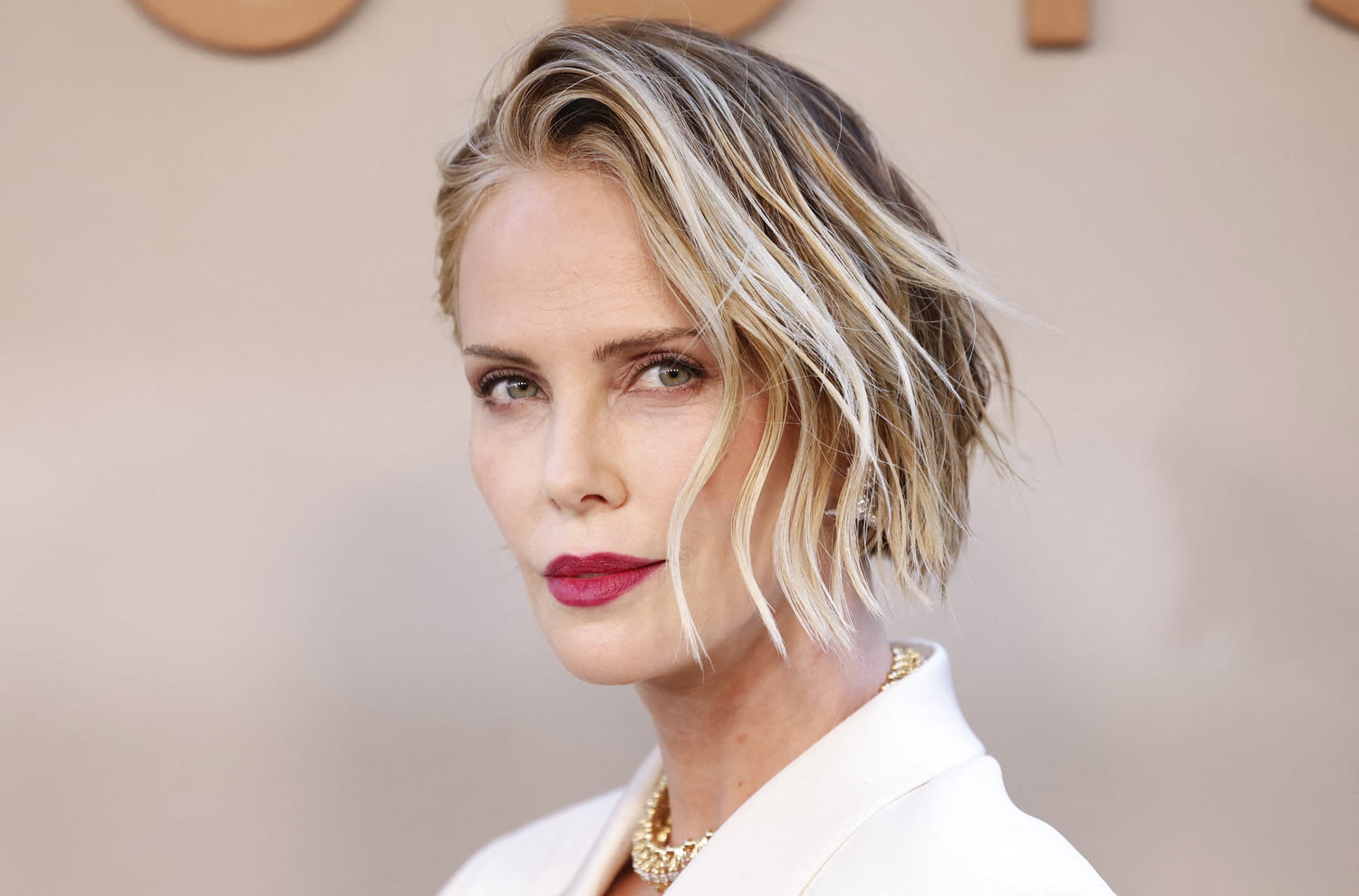



45% of leaders feel alone. 1 in 2 managers feel unwell. And yet, we almost never talk about it, and even less when we are a woman. Caroline Poissonnier, at the head of a group of 900 people, almost lost everything before transforming everything. In LeaderKiff at Éditions Eyrolles, she puts an offbeat word on a serious subject: how to reconnect with the pleasure of leading without sacrificing your mental health.
An unfiltered interview, for all those who feel that something is wrong, and who have not yet decided to act.
Caroline, you are at the head of a group of 900 people and you have a turnover of 200 million euros. However, it was a car accident with your children in the backseat that made you question everything. How do we find ourselves here, concretely?
Caroline Poissonnier: We find ourselves here because we have learned to ignore the signals. I was checking all the boxes for success, and inside I was gradually fading away. The accident didn’t trigger anything. It simply made impossible what I had been doing for years: pretending.
In your book, you cite chilling figures: 45% of managers feel alone, 1 in 2 managers feel unwell… Yet we almost never talk about it. Is it even more difficult to cope when you are a female leader?
Caroline Poissonnier: Yes, for a specific reason: we already had to prove twice as much to access these responsibilities. To show a flaw is to risk proving right those who doubted us. This fear is unfounded, but it is powerful enough to delay seeking help for several years.
The word “ LeaderKiff“, it’s almost a provocation in a business world that does not allow ” kiff“. Where does this word come from, and why did you choose this offbeat image to talk about a subject as serious as the mental health of leaders?
Caroline Poissonnier: From a simple conviction: if this word is disturbing, it is because it touches on something true. Pleasure and performance are not opposed. But we have so integrated the opposite that we needed a word that shakes things up to open the conversation.
You describe workaholism as an addiction in its own right. When did you yourself realize that your relationship with work had become problematic? What are the weak signals that should put us on alert?
Caroline Poissonnier: The real signal is not fatigue. This is when work becomes an anesthetic, when we no longer work to build something, but to avoid feeling anything else. The weak signals are known to everyone: irritability in the evening with loved ones, the inability to stop, guilt as soon as you stop. We perceive them. We choose to ignore them.
You talk about “ vulnerability » as a strength, not a weakness, but it’s still very counterintuitive for women who already have to prove twice as much. Do you have a concrete example where embracing your vulnerability made you more powerful, not less?


Caroline Poissonnier: The day I agreed to be accompanied by a coach, a psychologist, a mental trainer. When you’re managing 900 people, asking for help seems counterintuitive. Yet it is the most strategic decision I have made.
Stress is constant for managers and leaders, what are your little tips for managing it as best as possible?
Caroline Poissonnier: Move, sleep, disconnect really, not in theory. These gestures are not luxuries, they determine the quality of the decisions we make.
In your “ love book“, every evening you write down 3 successes of the day: it’s simple, almost childish. Yet you talk about it as a tool that changed the way you lead. Why did this small gesture have such a big impact?
Caroline Poissonnier: Our brain is naturally wired to retain the negative, it’s a survival mechanism. This notebook is a deliberate rebalancing. After a few weeks, you start to look at your day differently. And when the outlook changes, the way of leading changes with it.
What is the first, smallest, simplest thing you would recommend to a female leader who is feeling overwhelmed today?
Caroline Poissonnier: 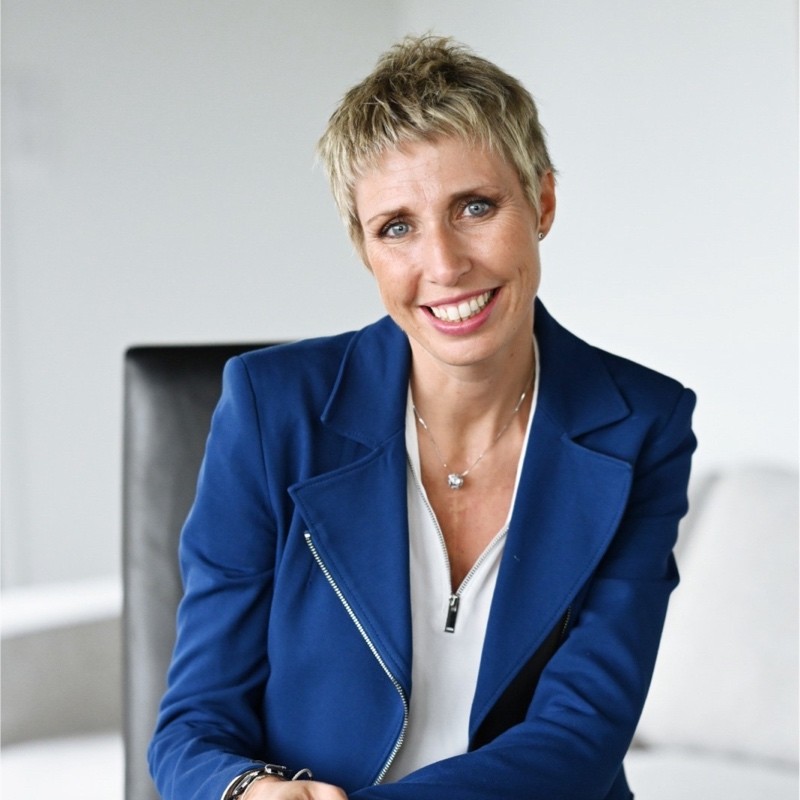

You devote an entire chapter to the “ information overload“. Concretely, what does your relationship with information look like today? Do you have rules that you never break?
Caroline Poissonnier: I refuse to let myself be overwhelmed by a continuous flow of negative information. My sporting moments are protected, I cannot be reached there. It’s one of the few parts of the day that truly belongs to me.
You have created a branch “ well-being » within a family industrial group, a risky bet. How much of your personal transformation was reflected in this strategic decision?
Caroline Poissonnier: The whole thing. Without the journey I have taken on myself, I would not have had the conviction necessary to defend this bet. We cannot carry out a project in which we do not believe deeply, and this branch was born from certainty, not from opportunistic diversification.
If a reader says to you this evening: “ I liked your book, but I don’t know where to start“What do you say to him?
Caroline Poissonnier: I ask him a question: what makes you vibrate, deeply? Not what is expected of you. The answer to this question is always the right place to start.
You may also like:
Gaining leadership: myth or reality?
When entrepreneurial failure makes you grow
“Girlboss is dead”: what do women really want to achieve in 2026?