



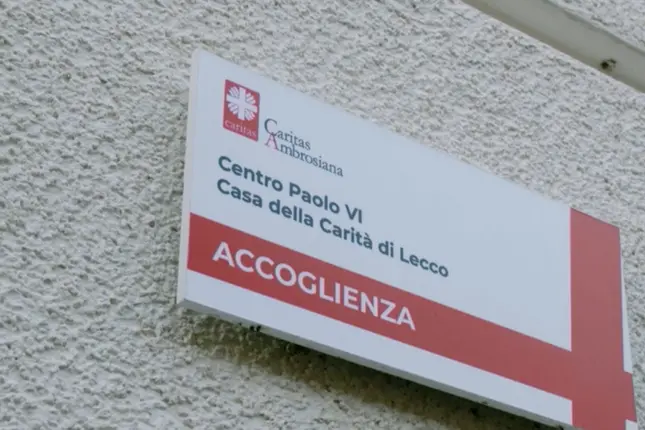
In Lecco, poverty is not an abstract concept, nor a statistic. It has faces, stories, daily experiences. The Casa della Carità has been there for three years the place where these fragilities find a threshold that does not reject, but welcomes. Not a simple container of services, but a local presence that has managed to take root in the urban and human fabric of the city.
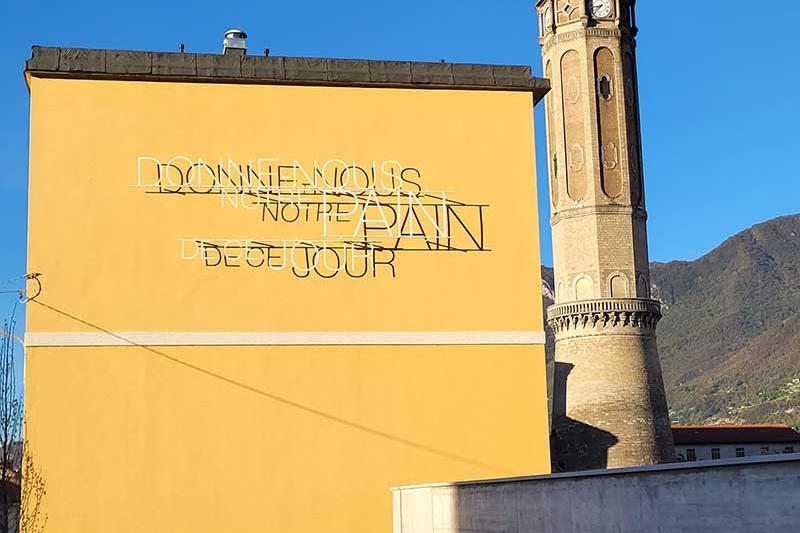
Born on the initiative of Caritas Ambrosiana and supported by a network of local entities, the structure in via San Nicolò, behind the imposing bell tower of the Basilica, has progressively expanded its range of action, becoming a point of reference for homeless people, families in difficulty, migrants, lonely elderly people. An experience that will come to the center ofpublic meeting scheduled for Tuesday 20 January, in the presence of the Archbishop of Milan Monsignor Mario Delpinicalled to meet operators, volunteers, institutions and citizens.

The archbishop’s visit is not just a symbolic gesture. It is the recognition of a path that, in just a few years, has shown how hospitality can be both organised, competent and profoundly human. The numbers tell part of the story: over 19 thousand meals distributed every year, around 6 thousand overnight stays in the night shelter, 60 tons of food delivered through the solidarity emporium, more than 600 people accompanied. But the heart of the project lies not only in the quantity of interventions.
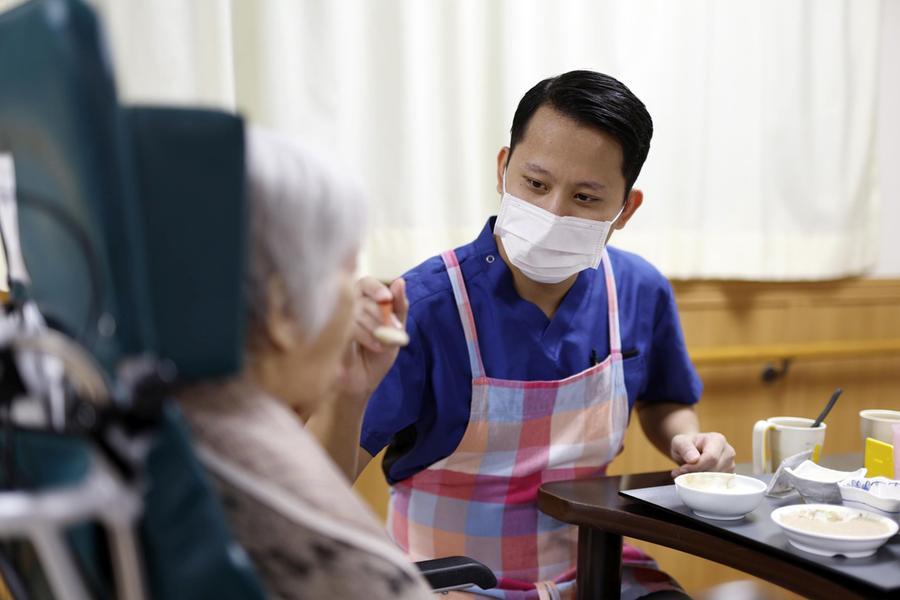
The House of Charity offers an integrated system of services: listening centre, cloakroom, showers, laundry, basic healthcare, social orientation. A complex response based on ateam of professional operators supported by over two hundred volunteersan expression of a community that has chosen not to delegate poverty exclusively to institutions. «Welcoming does not just mean responding to an immediate need», they explain from the structure. «It means entering into relationships, recognizing the history of those in front of us, building possible paths together». This is the thing that distinguishes the Casa della Carità from a purely welfare model: attention to the person, to their dignity, to the possibility of a different future.
In this sense, daily work moves on a double track. On the one hand the urgency – a hot meal, a bed for the night, a change of clothes – on the other a longer vision, which looks at social inclusionautonomy, reintegration into work. A delicate balance, made possible only thanks to the collaboration between the Church, public bodies, associations and the business world.

No less important is the educational and cultural dimension. The House of Charity is also a meeting place for schools, youth groups and parishes. Here we learn that poverty is not an isolated incident, but the result of structural fragility, loneliness, biographical ruptures. And that inclusion is not built by decrees, but through daily relationships and shared responsibilities. The presence of Monsignor Mario Delpini fits precisely into this perspective: call the Christian and civil community to a co-responsibility that cannot be lost. In a time marked by new poverty, housing crises, fragile work and migration, experiences like that of Lecco indicate a possible path: making charity a community event, not an emergency one.
Looking to the future, the challenge is twofold. On the one hand, consolidate the economic sustainability of the structure, on the other, strengthen the accompaniment paths towards autonomy, investing in training and work. Why the House of Charity continues to be what it has become in these three years: not a place where you stay, but a place from which you start again.