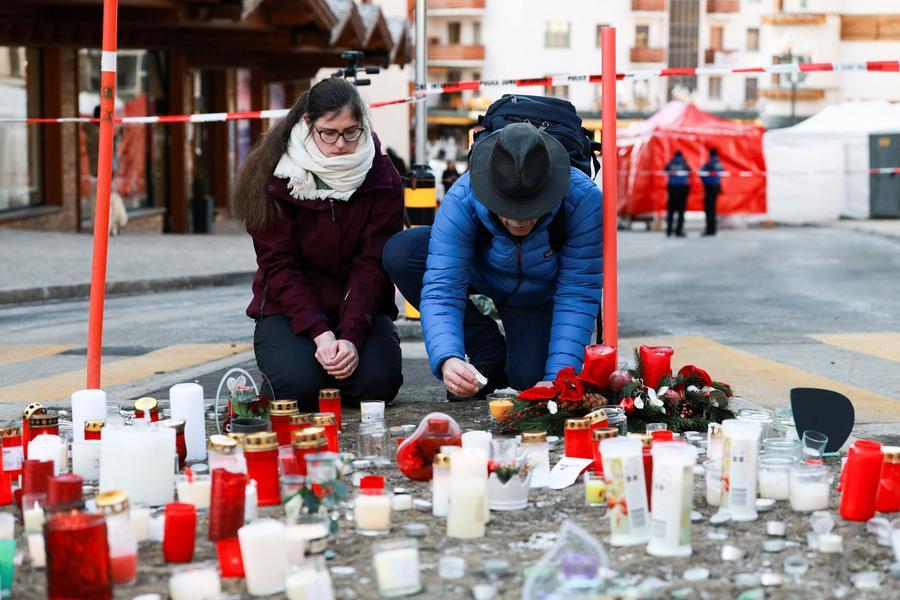





The massacre of Crans Montana it’s the worst start to the year the world could have. Seeing death and pain in what was supposed to be an occasion for celebration and celebration produces an unparalleled sense of helplessness and injustice. Also because this massacre affected boys and girls who could be our children. Boys in the midst of adolescence, eager for beauty, for joy, probably dressed in their most beautiful clothes to celebrate the beginning of a new year which for some entailed the end of their lives and, for the survivors, participation in a collective drama that will represent a trauma of gigantic importance in their emotional memory.
Media pain
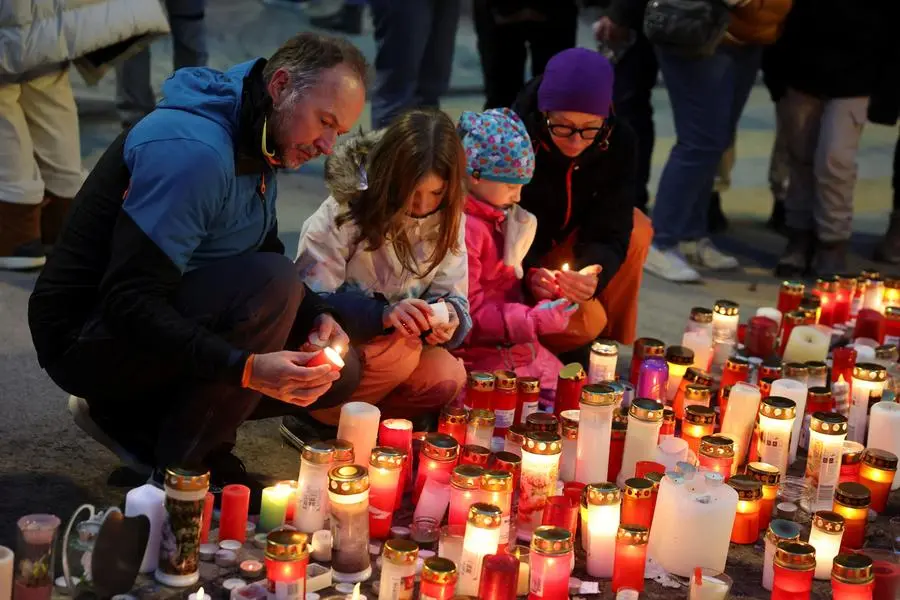
In these hours, all the media bombard us with news and images, testimonies and reports that amplify the pain, stratifying it in everyone’s minds and hearts. We feel like mothers and fathers of those kids killed, missing, burned. We feel like crying and feel a shiver run down our spine. Because within us the awareness of what we do every day to ensure protection and safety for our children lights up and of how such events force us to realize that life, at times, follows the rules of gambling, causes things to happen that escape any logic and law of probability, becoming a territory in which the control of everything is only an ineffective ingredient, which can do nothing in the face of the adversity of fate.
The illusion of control
Just us, the generation of geolocating parents, we are faced with a tragedy in which everything was decided by chance and imprecise safety conditions that we would never have expected in a nation so dutiful and so respectful of the law, like Switzerland.

Adolescents and overprotection
Teenagers of the third millennium are fighting against the temptation to remain closed in ultra-protected lives. Many parents struggle to get their children out of their rooms. We would like to send them out into the world, but at the same time we are the parents who most fear that, once out in the world, our children could get hurt and face risks whose extent and implications they cannot calculate. At the beginning of the third millennium, the adult world has placed control and overprotection at the center of an educational model that has left many children fragile and sheltered in little exploratory lives, often taking refuge in the bedroom. The Crans Montana massacre risks plunging us into collective anxiety, in a parental fear of such proportions as to push us to believe that the only way to protect the lives of our children is to limit their outings into the world as much as possible.
Indirect traumatization
Continuously viewing the images of the massacre, as is happening these days, makes us experience all the pain and anxiety in the world. Psychology calls this phenomenon indirect traumatization. Even if we are not inside the news events, the news events enter into our lives and our psyche, soliciting an anguish that becomes pervasive and all-consuming. We feel the pain of parents who have lost their children as if it were our own. And we imagine how gigantic is the desperation and confusion of those mothers and fathers whose children are missing. Nothing is known about them because they do not appear on any official lists: they are not among the wounded and hospitalized, they are not among those who returned home. Perhaps they belong to the list of unrecognizable deceased which will require a long time and complex analyzes carried out on DNA, to ascertain their identity and to be able to declare their death. This is an amplified pain that keeps those who experience it suspended on the edge of distressing uncertainty, of endless traumatization and which also turns out to be extremely difficult for us therapists in handling it on a clinical level.
Psychology and limits of comfort
It is difficult to use psychology to deal with massacres like those in Crans Montana, because it is unable to provide any comfort. It can only tell the pain of the mind of those who find themselves inside this nightmare and of those who observe it from outside. The aftermath of what happened in Crans Montana will remain with us for a long time. They will become rapid heartbeats every time our children greet us to go to a party or enter a club. They will take our breath away when we look for them on the phone and hear it ring without an answer. They will turn into sudden awakenings at night when we have children who have gone on short holidays with their friends and we will feel the urge to geolocate their position, directly or indirectly certify their being alive.
The courage to live
Instead, the only thing that they, our children, really need is never stop – we adults – from wishing them not to be afraid of life, even when life gets scary. Because the only way to face fear is to cross it with the courage to meet an unknown person who you don’t know what’s inside. Which is rarely and unfortunately tragic, as in this case. But it almost always knows how to welcome you with opportunities that you would never seize if you gave up looking for it, remaining in the ultra-protected territory of your comfort zone.