

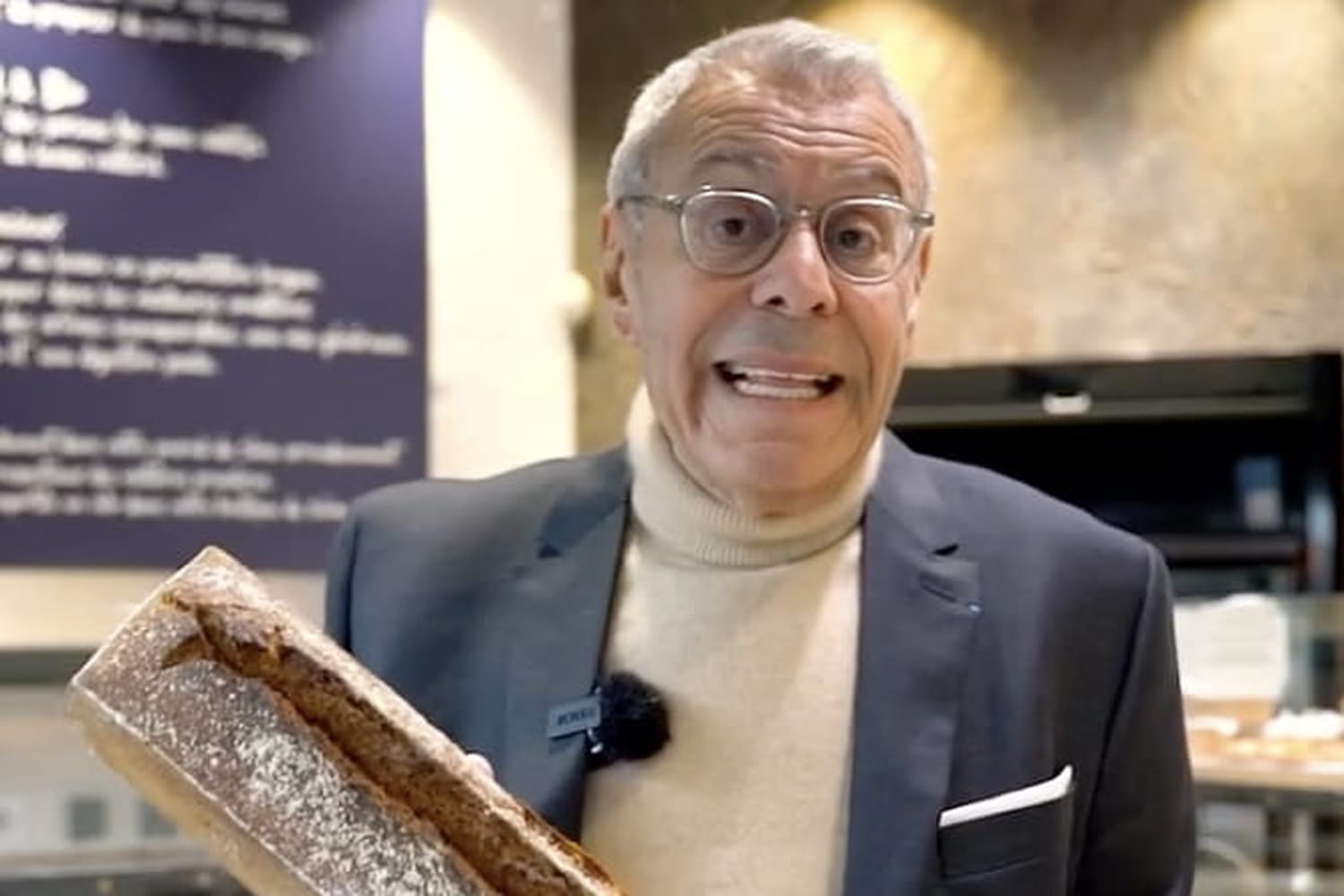


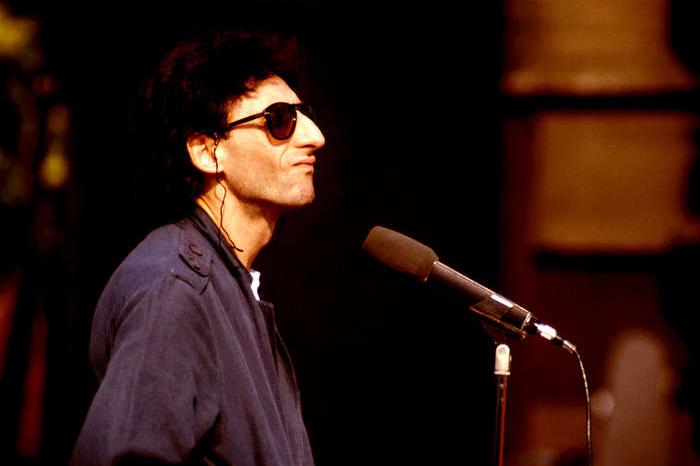
«Who am I?». The question with which Franco Battiato began and ended one of his elementary school essays has hovered since the first suggestive images, set on a snow-capped Etna, of The long journey, a film about the life of the Sicilian singer-songwriter which, after a stint in the cinema, arrives on Rai 1 and RaiPlay on 1 March. «Franco was first of all a researcher», says Dario Aita who plays him. “All his life he asked himself and sang: ‘Who am I? Where am I? Where do I come from? Where am I going?’

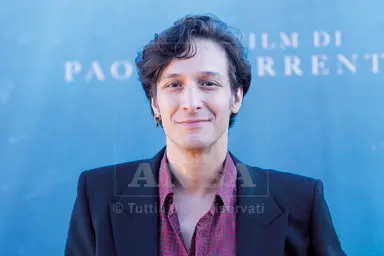
The film, among its many merits, has that of illuminating even little-known aspects of this long journey. For example, we discover that the mystical Franco was an excellent footballer. «He also received a good offer from a company. He refused and for this reason he argued with his brother to pursue his dream of becoming a musician”, says Aita. So we see Franco with long hair and an always empty fridge in the Milan of the 70s, those of the most extreme experimentation. Until he decided, with incredible clarity, to become a pop singer, proclaiming in front of the record companies: «There will be seven songs, seven hits».
Thus was born, with the album The Master’s Voice, the Battiato that we all know and that Aita interprets very well: in the movements, in the very fast and courtly way of speaking and also in singing: «I have always neglected my voice. But when I heard that they were looking for an actor to play him and that it was necessary to audition with Nevski Prospect, I jumped at it. I discovered a sound inside me that I didn’t think I possessed: it’s as if Franco had come to visit me.”

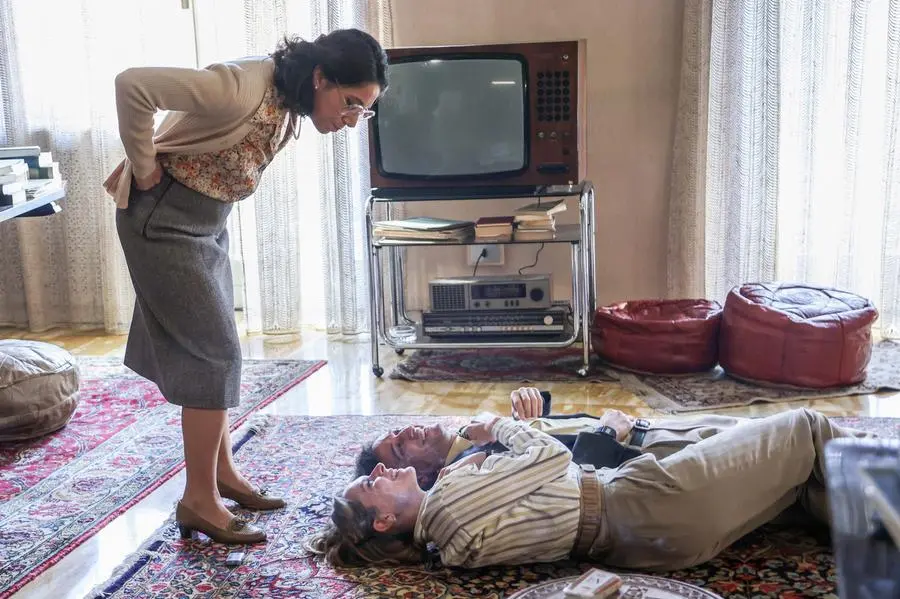
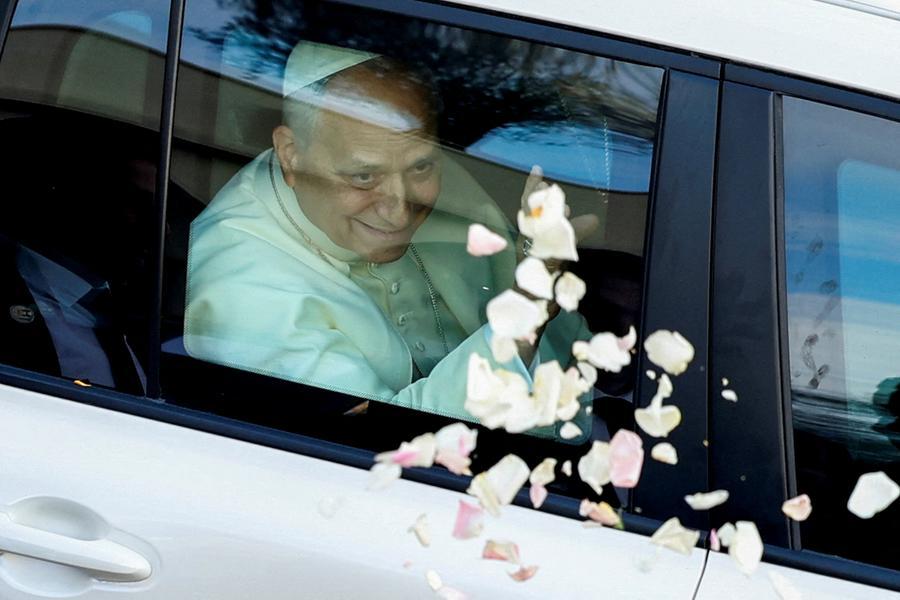
The film also features artist friends who shared his thirst for spirituality: from Juri Camisasca, who later became a Benedictine monk, to Giuni Russo, for whom the singer-songwriter created the summer hit par excellence, A Summer at the Sea (which behind the lightness of the music hides the drama of a prostitute who dreams of umbrellas to forget “the evenings when it was cold and the car tires burned”). Until the performance in 1989 in front of Pope John Paul II, in which he forgot the final words of E ti I come to search (“… because I need your presence”). Aita says: «He himself explained later that, when he got there, it seemed to him that those words had been written precisely for that moment: the emotion he felt was such that it prevented him from continuing». That man so tense towards the Absolute who, at work and in meetings with journalists, often showed off a biting irony bordering on arrogance, when he returned home with his mother who has always lived with him or when he met up with old Sicilian friends he joked and told jokes in dialect. In short, how much was Battiato and how much did Battiato “do”? «He himself in a song, Praise to the Inviolate, confesses: “And how many useless characters have I worn”. We all wear masks. Then, being an actor, I change them constantly. Of course, Franco always returned to his Sicilian roots. He traveled a lot, but then chose to live on the slopes of Etna. And he has always composed songs in the Sicilian language. The most beautiful? Stranizza d’amuri, which can also be heard in the film.”
We also discover, despite the right respect for the extreme confidentiality that Battiato always had on this aspect, that Franco was very popular with women. In particular, he was linked by a friendship that lasted over decades with the Swiss writer Fleur Jaeggywife of Adelphi publisher Roberto Calasso, who also collaborated on the writing of some of his song lyrics. Is the Fleurs trilogy of cover albums dedicated to you? «Yes», Aita replies. «He wrote some incredible novels. He leads a very secluded life.”
And do you, Aita, still sing Battiato’s songs? «Yes, but only for me. Some, like Bandiera bianca or Cuccurucucù are very fun to sing, they have an incredible liberating force. But there’s one that I even struggle to listen to. She needs a sacred moment all to herself: It’s called The Shadow of Light.” Franco sang: «Remind me how unhappy I am/Far from your laws/How not to waste the time I have left/And never abandon me/Never abandon me».