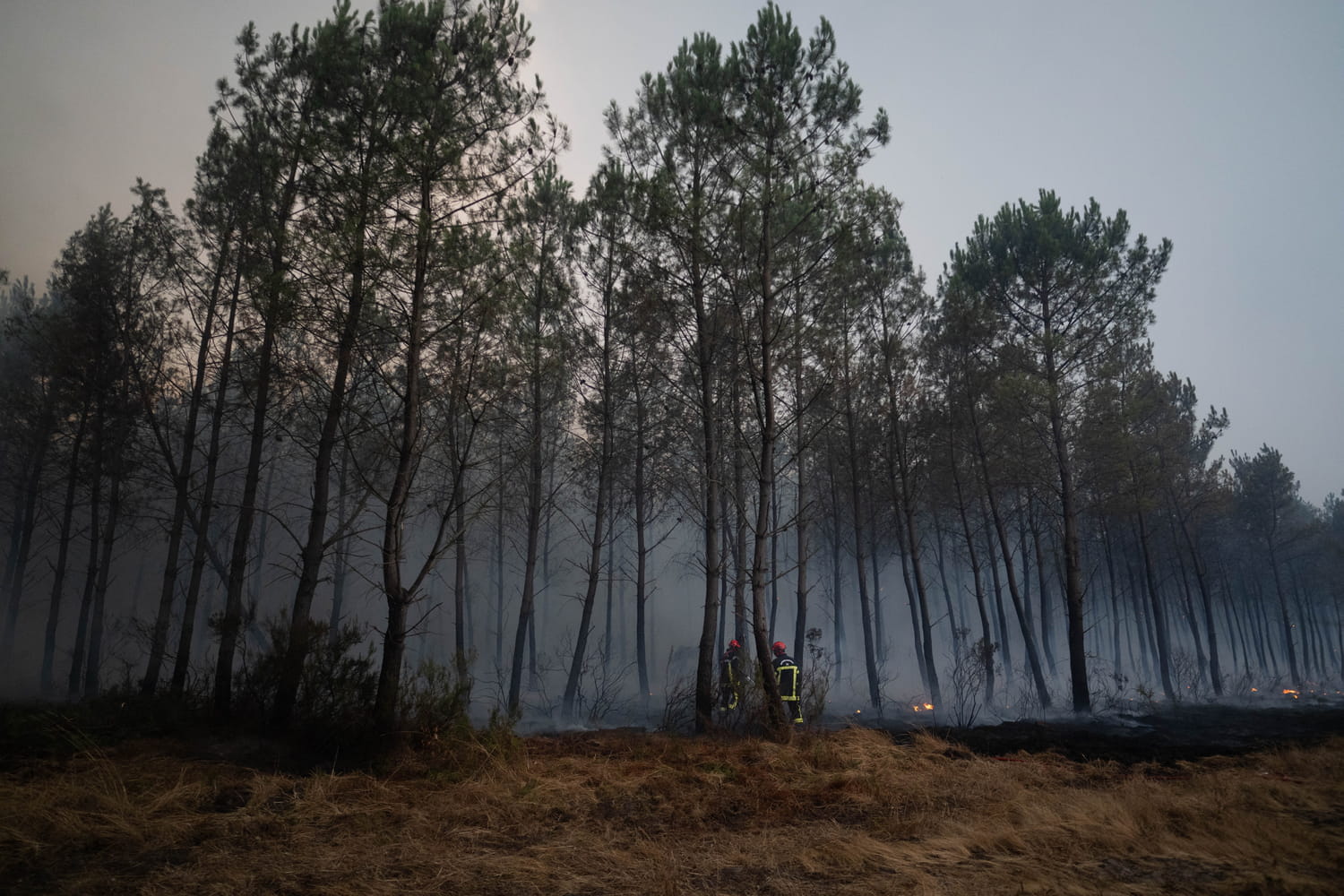
While forest fires are ravaging thousands of hectares, Dr Mehdi Cherif, ophthalmologist-surgeon, is sounding the alarm: hundreds of kilometers from homes, a particularly vulnerable part of our body is being silently attacked. Here are the symptoms that should alert you and the emergency actions to take.
The fires currently ravaging Gironde, Landes, Var and Corsica since the beginning of summer have already covered more than 115,000 hectares in France according to the Minister of the Interior. But the consequences do not stop at the disaster areas. The eyes – the only mucous membrane of the body directly exposed to the outside air, without a natural filter like the hairs of the nose – are particularly vulnerable to fumes, even several hundred kilometers from homes.
“When you have a fire, it’s not just smoke. It is a set of fine and ultrafine particles, sometimes with irritating gases, which are deposited on your eyes“, explains Dr Mehdi Cherif, ophthalmic surgeon and co-founder of the group OphthaMaine. Several mechanisms come into play. Firstly, immediate chemical irritation: certain chemical compounds present in fumes dissolve directly in tears and stimulate the ocular nerves from the first contact. Then, the particles damage the thin protective layer that covers the surface of the eye and prevents tears from evaporating, causing dry eyes in the hours that follow. Finally, the microparticles which lodge under the eyelids create continuous mechanical friction, aggravated by a progressive inflammatory reaction.
Some profiles are more exposed than others. Contact lens wearers first:The lenses act as a reservoir, the particles are lodged there and between the lens and the cornea, the chemical compounds are absorbed then released, participating in chronic inflammation“Then children, because they go out more and rub their eyes reflexively, aggravating the irritation. Finally, the elderly, whose chronic dry eye – common with age – makes the surface of the eye more fragile and the episodes take longer to recover. Ordinary glasses protect against large particles carried by the wind, but not from the sides or from friction of the hands. “The best is a waterproof mask – ski goggles or protective goggles – but wraparound sunglasses remain a good, accessible alternative“, specifies Dr. Cherif.
As for reflexes: stay inside, close the windows and turn off the VMC to prevent outside air from circulating. In the car, turn off the exterior ventilation and close the windows. At each exposure, clean the eyes with physiological serum, preferably without preservatives. Place cool compresses on the eyelids for five minutes to reduce inflammation. When you get home, take a full shower – the hair picks up fine particles, in the same way as allergenic particles. Remove the lenses and wait 48 hours after the episode before putting them back. Suspend eye makeup for a few days.
Signals that should lead to a quick consultation: persistent redness, sensitivity to light, loss of vision, significant pain. In children, excessive blinking or unusual behavior – in infants, any change in behavior – warrants emergency consultation. “Irreversible damage is rare, but chronic dry eye can worsen suddenly and take much longer to recover.“, warns Dr. Cherif. Final warning: “Don’t be fooled by the smell. Not smelling smoke doesn’t mean you’re safe. Fine particles can travel hundreds of kilometers with the wind.”