

The first day of the new creation
Easter morning, in the Gospel of John, does not open with a triumphal announcement, but with a hesitant step, a walk in the dark which still lives in the hearts of the disciples, even when the dawn has already begun to conquer the night.
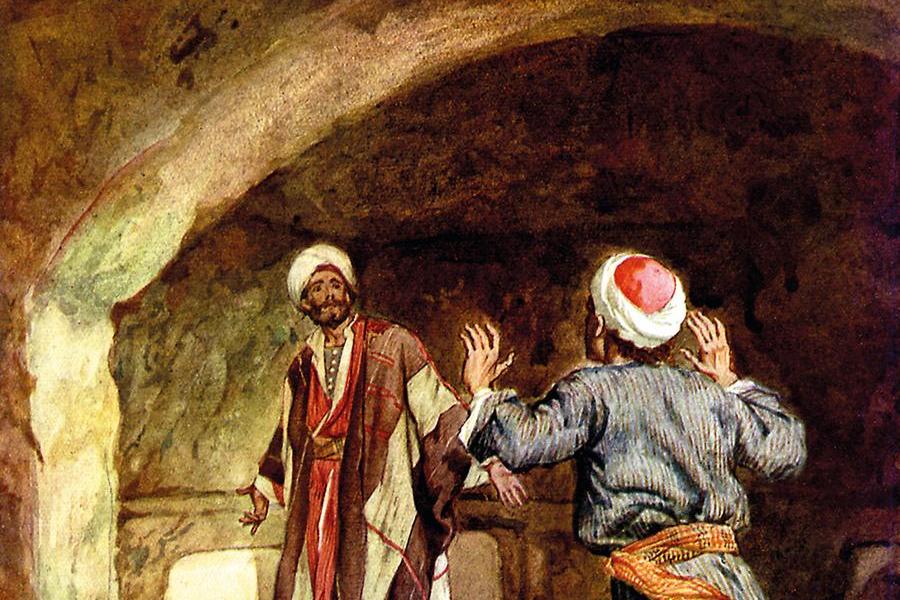
Mary of Magdala goes to the tomb “when it was still dark”. This simple temporal note is not just chronological: it tells an internal condition. The new light of creation has begun, yet the human gaze still struggles to recognize it. The Resurrection is already reality, but the hearts of men he doesn’t perceive it right away. The overturned stone, the first sign of a shocked reality, does not immediately generate faith, but provokes a painfully rational interpretation: the body has been taken away, the Lord also removed from memory. From this misunderstanding a rush is born, a tension that runs through the entire story and marks its rhythm. Mary, Peter and the disciple whom Jesus loved run, as if their hearts had sensed that there, in that empty tomb, something decisive was at stake, even though we couldn’t yet say what.
Giovanni describes this race with rare narrative finesse, showing two different ways of dealing with the mystery: the rush of love, who arrives first and stops at the threshold, and the authority of reflection, who comes later, enters, observes, tries to understand.
Inside the tomb there is no body, but there is not even the disorder of a theft. The canvases lie neatly, the shroud is still wrapped in the same place. It is a silent, immobile, suspended scene, and for this very reason eloquent, as if it spoke to the heart more than to the eyes.
John insists on seeing, but subtly distinguishes between different levels of gaze. Mary sees and interprets according to the logic of mourning; Pietro sees and reflects, but remains stuck on one incomplete understanding; the beloved disciple, however, sees and believes. He does not see the Risen One, he does not directly witness the event, but he grasps, in that arrangement of the canvases, the impossibility of a purely human explanation. Let the heart take a step beyond what the mind can demonstrate, and in that simple and silent act faith is born.
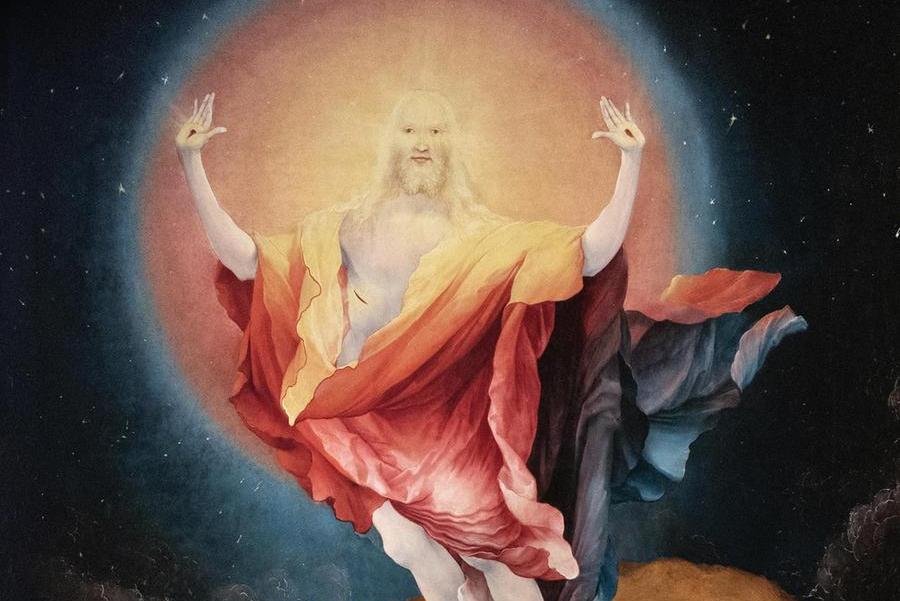
Paschal faith, in John, is not born from a spectacular test, but from a discreet sign that asks to be interpreted; not from an evidence that imposes itself, but from a gaze that allows itself to be transformed. The empty tomb does not yet tell everything; indeed, the evangelist soberly notes that “they had not yet understood the Scripture”, recalling that the Resurrection is not a simple resuscitation, but a new creation, a radical passage towards full life that only the encounter with the Risen One can make fully understandable.
At this beginning of Easter, John delivers a founding experience to the Church of all times: faith is often born in the chiaroscuro, between incomplete signs and fragile interpretations, and grows where love accepts not to possess everything, but to stop, look, and trust. It is the first day of the new creation, and as at the dawn of the world, the light is already there, even if man has yet to learn to recognize it. It’s a light that does not dazzle, but it invites a slow and careful step, a gaze that knows how to wait, opening the heart to the silent miracle of new life.