




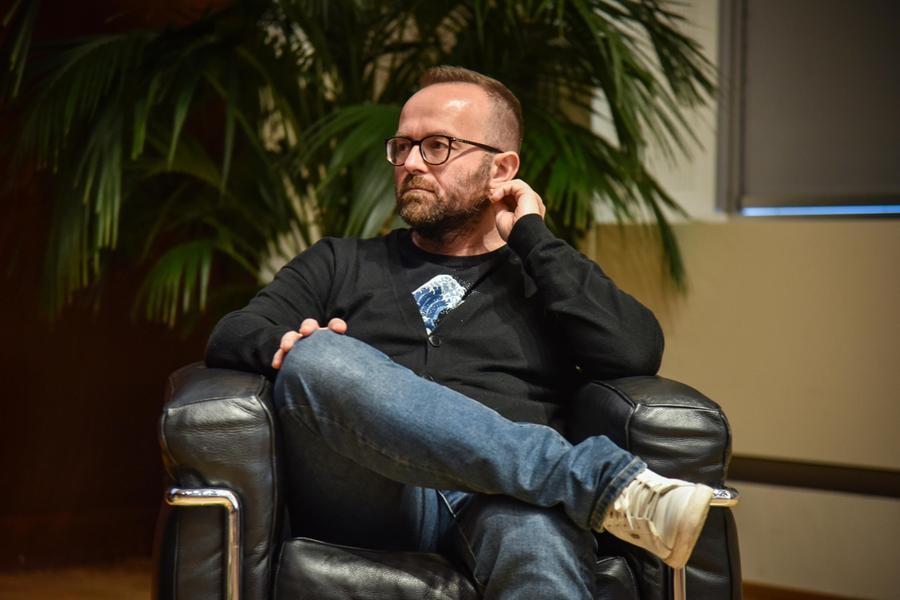
The betrothed they are an obligatory step in the education of students: some passages in the middle school anthology and the complete reading of the novel in the first year of high school. But how do the kids experience this dive into nineteenth-century literature? On the occasion of an extensive dossier on Alessandro Manzoni on the occasion of the 150th anniversary of his death, we asked Enrico Galiano, secondary school literature teacher and much-loved writer of books for both adults and children.
How do you propose it to your students?
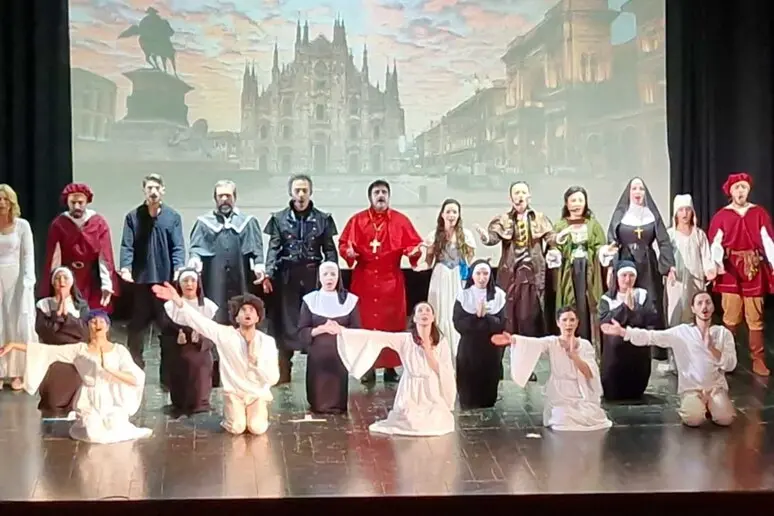
«Only a quarter of middle school students are educated to read or grew up with books at home. Very often we are dealing with kids who are not familiar with the culture. So for The betrothed the same rule applies as for other books. First I tell it, I create a suspense, and then I read it aloud, pausing to explain the most difficult terms, and only at this point do we move on to individual reading. Then I often enjoyed having the kids represent the characters, choosing the parts with the most dialogue, transforming them into scenes then represented by the students. These are moments that leave a strong impression on them: it happens that students, after fifteen years, write to me, and although they remember very little of my lessons, they still have in mind that time they recited The betrothed».

As a high school student, did you love or hate the novel?
«I read The betrothed in Luigi Russo’s edition at scientific high school and it was one of the texts that made me fall in love with literary criticism. That is, as a method to make people appreciate the texts more. In the second year of high school I almost read the notes in the text with more pleasure because they were enlightening, and thanks to the light shed by these pages even the book itself breathed even more”.
In your opinion, what are the elements that still make it a read that speaks to young people?
“Today The betrothedlike all classics that remain over time, has the ability to reproduce strictly current situations in order to illuminate Italian society, which is still very Manzonian; power dynamics, for example, can be found to be the same as in the past. The part that interests kids most is how Manzoni manages to show emotions and feelings, and it’s easy to find yourself in the characters.”
Do they love in particular?
«Definitely Renzo: they find themselves in his impulsiveness, in his often losing his temper and fighting for what he believes in, for the woman he loves, and to defend his right. Lucia, on the other hand, is a character who risks being seen as passive, she is often portrayed in tears, her actions are made up of unsaid words, gestures and simple presence and it is more difficult for girls to find each other, but it is also nice to understand that today heroines are no longer like that, and that they have transformed into active subjects”.

In the anthology for the two-year high school years that you recently edited for Atlas, which songs from I promessi sposi did you choose to include?
«I chose the song about the plague because in the procession of the Milanese who hope by praying to God to ward off the plague we see exactly the same dynamics as in 2020-2021 with Covid, and it makes us reflect on how some aspects of the human being remain unchanged over time: on the one hand it is reassuring, on the other it scares».
Will this anniversary also be celebrated in some way in schools?
«Many publications are coming out in the new form of “Manzoni told to children and young people” and many teachers will use them because The betrothed still today, as happens for example with the Divine Comedyhas the power to awaken curiosity and the pleasure of reading.”