



The alert seems so banal that very few are suspicious of it.
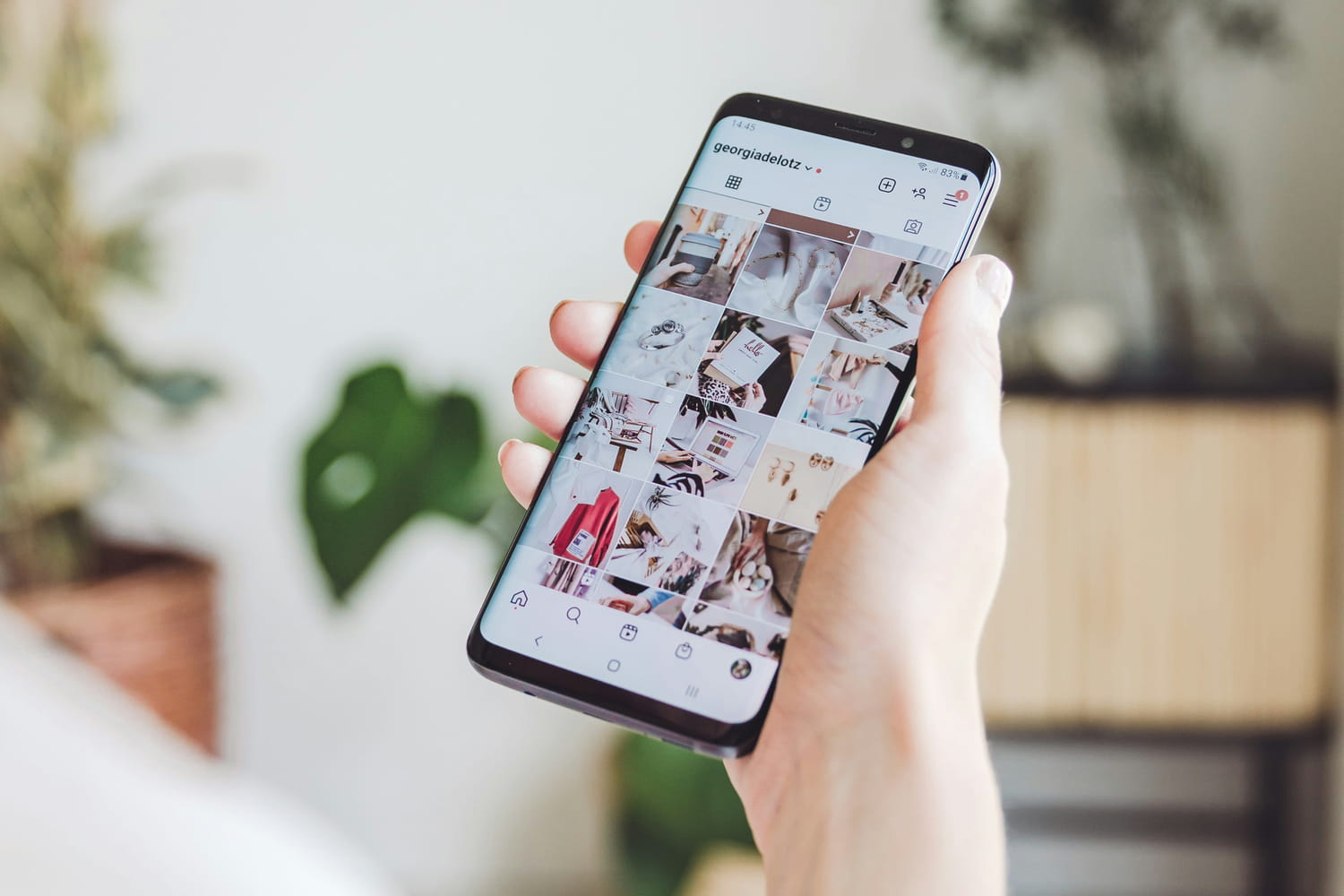
Instagram is one of those platforms that we open mechanically, several times a day. We share photos there, we exchange private messages, we follow our loved ones, sometimes our clients. In short, the account is personal, often valuable, and rarely perceived as vulnerable. However, many users say they have been victims of hacking, even though there was nothing to predict it.
The scam in question is based on a credible situation, already seen, already experienced. It imitates what the platform actually does, uses the same codes, the same tone, the same logic. Result: even very attentive people, accustomed to spotting dubious attempts, hesitate. On social networks, the testimonies are all the same. We are talking about a moment of reflection that was too short, of a confidence granted because everything seemed normal, almost routine. The good news is that there is a very simple way to regain control. Indeed, Instagram keeps a clear record of the security actions actually taken on an account. Thus, in a few seconds, it is possible to check whether an alert really concerns your profile or not, without going through intermediaries and without responding in a hurry. This reflex is sufficient, in the majority of cases, to defuse the trap.
Because the trap, in fact, is only revealed once it is too late. This comes from an email requesting to reset your Instagram password. By clicking on the link sent, the fraudsters aim to regain access to your account to pretend to be you. Once inside, they contact your subscribers on your behalf, invent an emergency, a financial concern, and exploit the trust placed in you.
You will have understood, in addition to stealing your account, they also hijack your identity. In short, a nightmare for anyone who happens to click too quickly in the wrong place. Moreover, to prevent the situation from recurring, it is strongly recommended to prevent your contacts.