





There is a moment in which the body becomes the final frontier of protest. When there are no telephones, lawyers, press conferences or squares left. When the doors close and the world seems to move away. That’s when ten activists of the Global Sumud Flotilla, detained in Libya since May 24, have decided to start a hunger and thirst strike.
An extreme choice which today enters its fourth day and which turns the spotlight back on an affair that has gone almost unnoticed, crushed by the immensity of the tragedy in Gaza and the geopolitical convulsions of the Mediterranean.

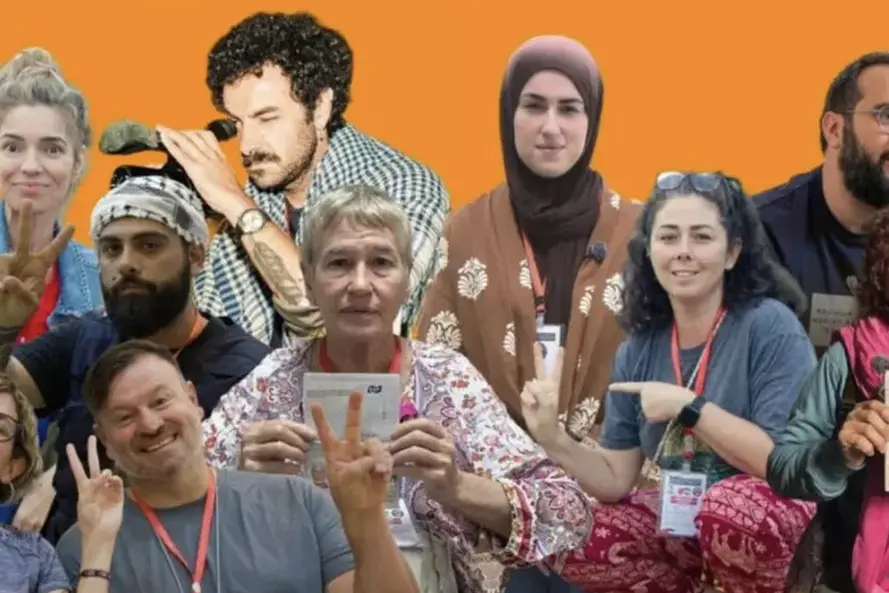
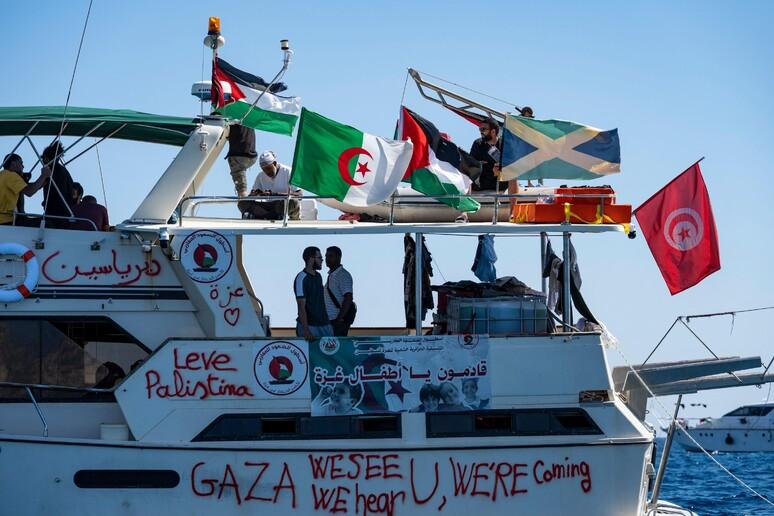
Among the detainees there are also two Italians, Domenico Centrone and Leonarda Alberizia. The group had left as part of the so-called “Land Flotilla”, an international convoy made up of hundreds of activists from different countries and headed towards the Rafah crossing to bring humanitarian aid to the Palestinian population and denounce the blockade that has been strangling the Gaza Strip for months.
The journey, however, stopped in the heart of Eastern Libya, territory controlled by forces close to General Khalifa Haftar. Near Sirte, on May 24, local authorities blocked the convoy and arrested some participants, contesting violations of the rules on immigration and entry into the country. Since then, ten activists have remained in custody.
Information filters with difficulty. According to the organizers of the mission, the detainees report mistreatment, degrading conditions of detention and above all the inability to regularly access independent legal assistance. Precisely for this reason they decided to resort to the oldest and most radical form of protest: refusing food. In recent days, the promoters of the Flotilla report, some of them have even given up water, while their physical conditions appear to be progressively worsening.

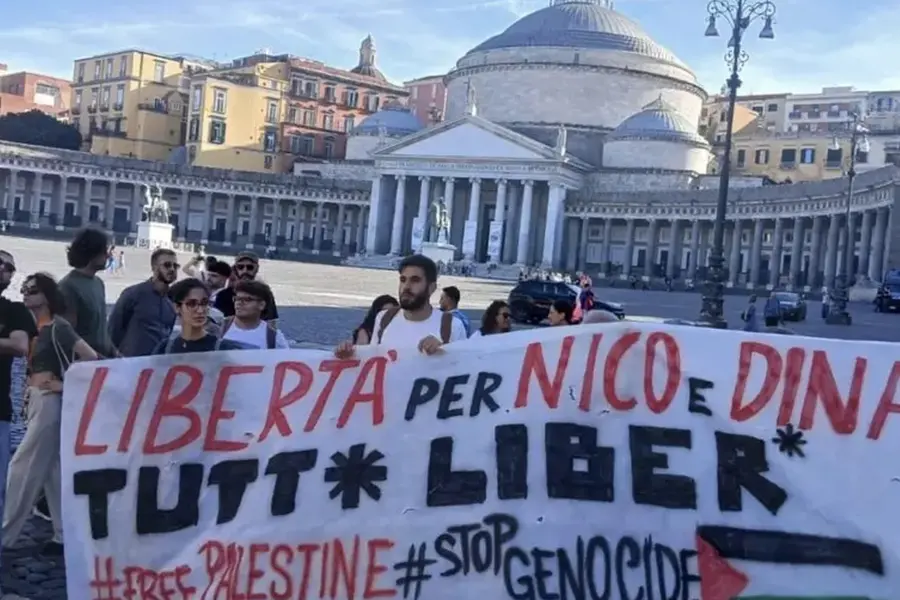
The alarm has also reached European chancelleries. The Italian government formally requested the release of the two compatriots and the Consul General of Italy in Benghazi, Filippo Colombo, carried out consular visits and made new requests for access. The Farnesina is following the case through the embassy in Tripoli and the consulate in Benghazi, while the families await developments that are slow to arrive.
The incident comes in a particularly troubled season for the movement of humanitarian flotillas heading towards Gaza. In the previous weeks, the Global Sumud Flotilla had also attempted to reach the Strip by sea. The boats were intercepted by the Israeli navy and dozens of activists were stopped and subsequently expelled. Some had reported humiliating treatment and violations of their rights while in detention, allegations denied by Israeli authorities. However, the European Commission had defined it as “unacceptable” some images spread on social media showing activists arrested and publicly mocked.
The “land flotilla” was born precisely from that experience. The idea was simple and symbolic at the same time: cross North Africa to reach the Egyptian border and deliver humanitarian aid to a Gaza where, according to the United Nations and the main international organisations, millions of people continue to live in dramatic conditions, amidst hunger, displacement and scarcity of essential goods.

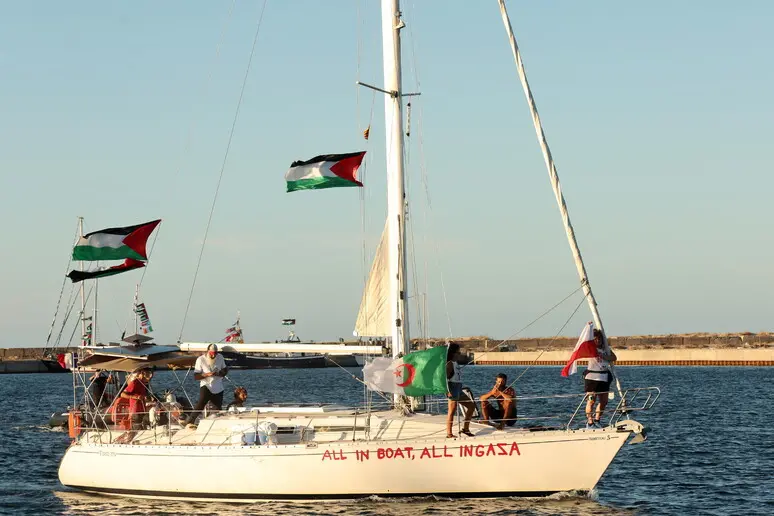
The paradox is that the convoy was not stopped at the gates of Gaza, nor at the Rafah crossing. It ran aground much earlier, in the Libyan desert, in one of the most fragile and fragmented countries in the Mediterranean. A nation which, since the fall of Gaddafi in 2011, has never found full political stability and where militias, rival authorities and regional powers compete for territory and influence.
In this scenario, the ten prisoners risk becoming a sidenote in international news. Yet their story tells something broader. It recounts the attempt, whether the methods are acceptable or not, to break the habit of facing a war that has dominated the news for almost two years and continues to produce civilian victims. It also talks about the fragility of law when crossing gray zones of geopolitics, where legal guarantees often become negotiable and people’s fate depends more on diplomatic balances than on written rules.
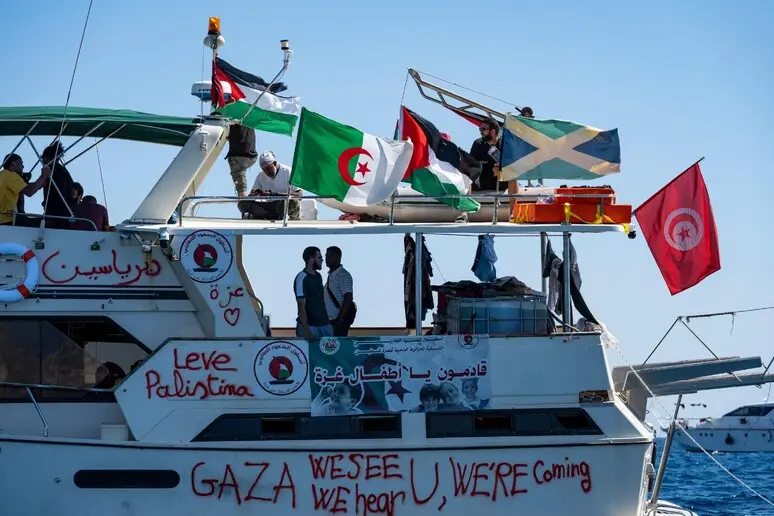
For this reason the hunger strike takes on a meaning that goes beyond protest. It is a message entrusted to one’s body to reach a distracted public opinion. A way of saying that they still exist, that they have not disappeared behind the walls of a barracks or a detention center.
In the Mediterranean, a sea that unites and divides, their story almost seems like a metaphor for our times. On the one hand, Gaza, a symbol of suffering that continues to question the consciences of the world. On the other, Libya, a land of transit and prisonswhere often invisible dramas have been taking place for years. In the middle, ten people who have chosen to put their freedom on the line for a political and humanitarian cause and who today entrust the hope of being heard to hunger.