






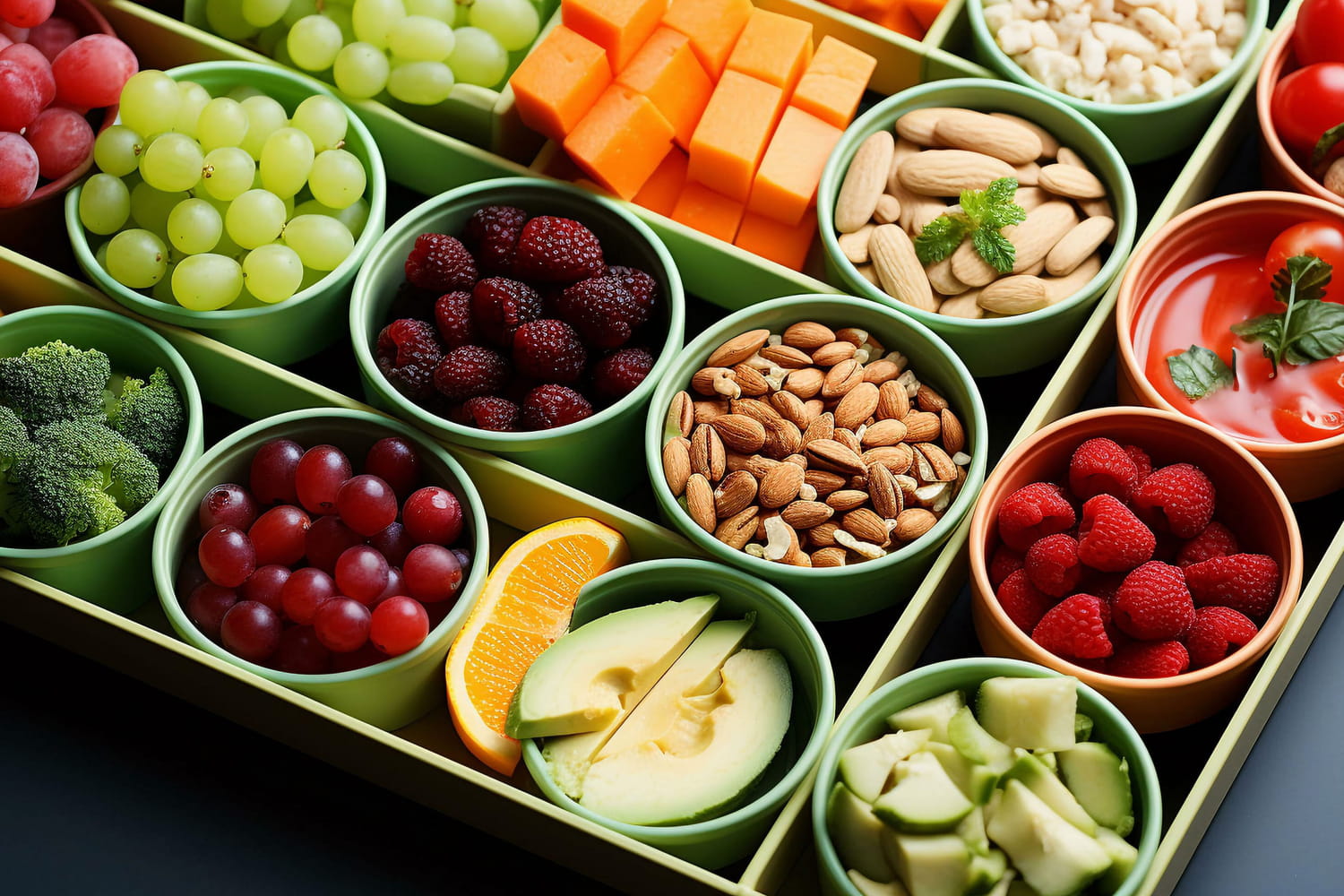
What you eat matters a lot for kidney health. A very simple choice is recommended by nutrition experts: focus on the color of these foods.
Many of us do not care enough about kidney health. However, these two small organs are essential for filtering waste from the body. If their filtration capacity is impaired, serious problems can arise. Fatigue, water retention, hypertension, heart rhythm disturbances, anemia or even kidney failure. To avoid this, it is important to make the right choices at the table. And it’s not that complicated according to nutrition experts. You must first eat foods of a particular color…
More than the color itself, it is the natural components that give it its shine that prove valuable for kidney health. A study published in the scientific journal Frontiers in Medicine has highlighted that people who regularly consume foods rich in carotenoids have a significantly reduced risk of mortality linked to kidney disease. Likewise, another study published in Clinical Nutrition showed that foods rich in flavonoids and citrates facilitate the filtration work of the kidneys and prevent kidney failure. More simply, just focus on colored foods…
…YELLOW. “Some yellow foods are real bioengineering tools for our body: lemon provides citrates to dissolve crystals, yellow pepper provides protective vitamin C, and yellow onion offers a massive dose of quercetin to support renal circulation“, explains Dr. William Li, Harvard physician in his book “Eat to Heal.” Pineapple, pear and yellow apple are also excellent. However, not all fruits and vegetables of this color are equal. Banana, although yellow, should be consumed in moderation by people who already have kidney fragility due to its high potassium content. The choice should therefore fall on fresh, water-filled plants.
Yellow starches like corn and yellow-fleshed sweet potatoes provide fiber and antioxidants that help relieve pressure on our kidneys. Finally, let’s not forget spices like turmeric and ginger: their golden color hides powerful anti-inflammatory molecules capable of reducing proteinuria, a sign of kidney fatigue that occurs when our filters leak proteins.
Watch out for “false yellows”. It is crucial not to confuse the yellow of nature with the yellow of chemistry. Supermarket shelves are full of ultra-processed products artificially colored with additives like tartrazine (E102). Unlike natural pigments which have a beneficial effect on the kidneys, these synthetic dyes can prove toxic if consumed in excess. The golden rule: trust the yellow that grows in the ground or on trees, not the one that shines in plastic packaging. If yellow is a precious ally, we must keep in mind that the secret to lasting kidney health lies in the synergy of colors: it is by varying the pigments that we offer the kidneys the full range of antioxidants necessary for their vitality.