

There is a moment when a brand stops being just a name printed on a package and becomes something deeper: a recognizable, almost familiar presence, capable of spanning generations and changes without losing its center of gravity. It is in this trajectory that we find ourselves today Barilla, which in 2026 consolidates its global profile not only as an industrial leader, but as a credible social actor.

For the third consecutive year, the Parma group is the first food company in the world in terms of reputation Global RepTrak® 100climbing to ninth place overall among all global businesses. A leap of sixteen positions in just one year which tells of more than growth: it signals a transformation, the transition from sector excellence to a transversal reference, capable of competing with the giants of technology and finance on the more elusive but decisive terrain of trust.

Reputation, today, is no longer an automatic reflection of product quality. It’s a complex system that holds together performance, governance, sustainability and ability to interpret one’s time. In this balance, Barilla seems to have found a rare synthesis: innovating without betraying, growing without losing meaning.
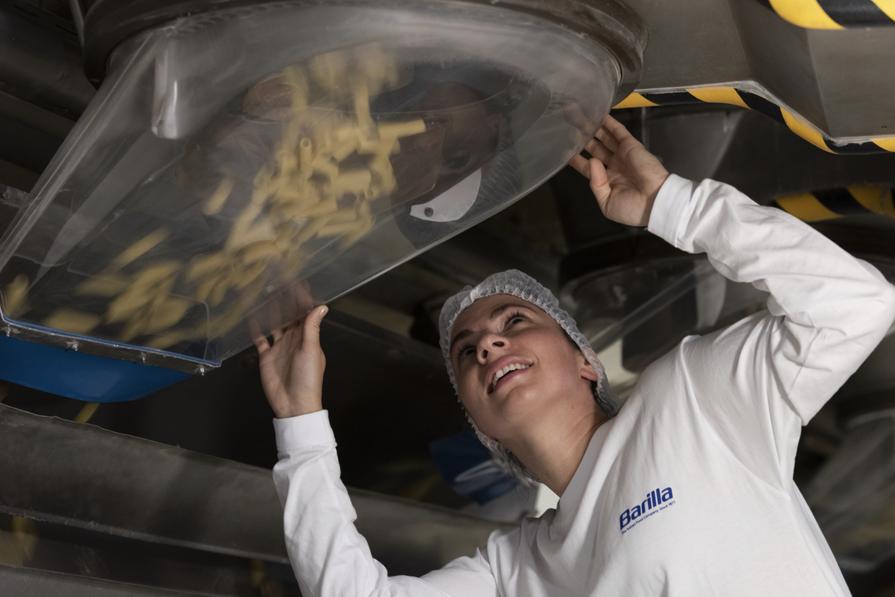
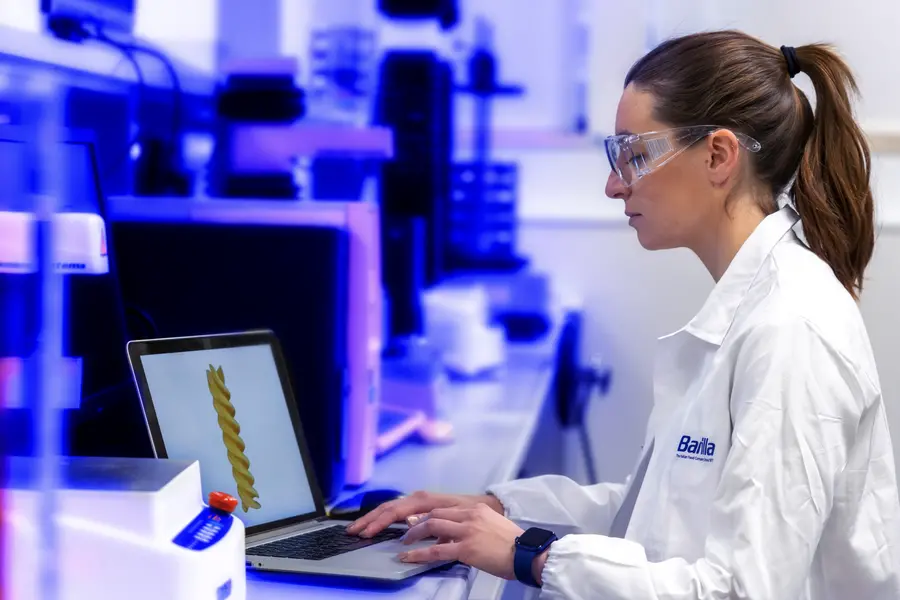
This is demonstrated by the investment in research, embodied by BITEthe new innovation center inaugurated in Parma, where over two hundred researchers and technologists work on the future of nutrition. But this is also confirmed by consumer recognition, such as those obtained by Bronze and Protein+ linesa sign of constant dialogue with an increasingly demanding and fragmented market.

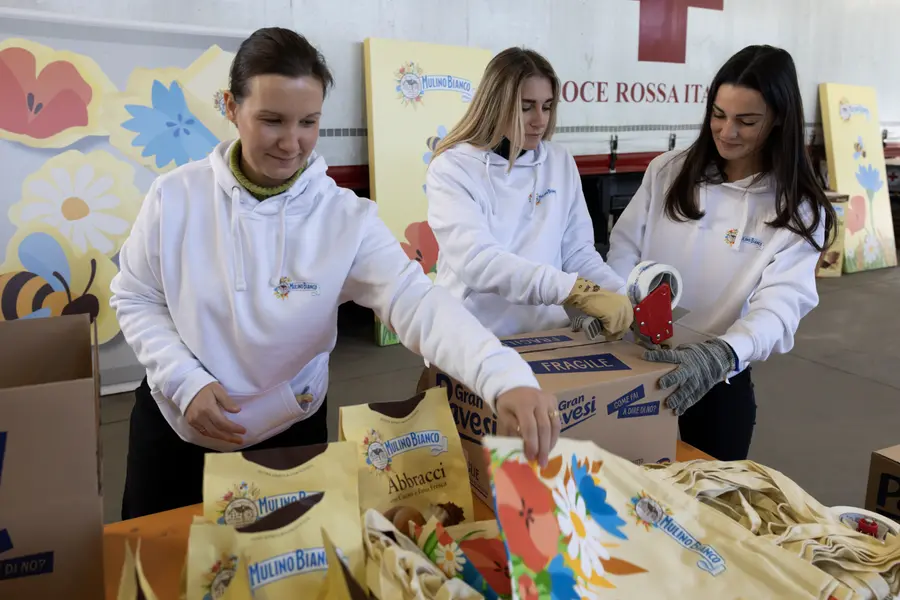
Yet, it is on another level, less immediately measurable, that the most significant game is played: that of social commitment. Here Barilla doesn’t just support, but tries to involve. Campaigns in solidarity with Doctors Without Borders and Dynamo Camp they mobilized thousands of people, transforming corporate responsibility into widespread participation. Corporate volunteering thus becomes a concrete lever, capable of intertwining corporate identity and active citizenship.

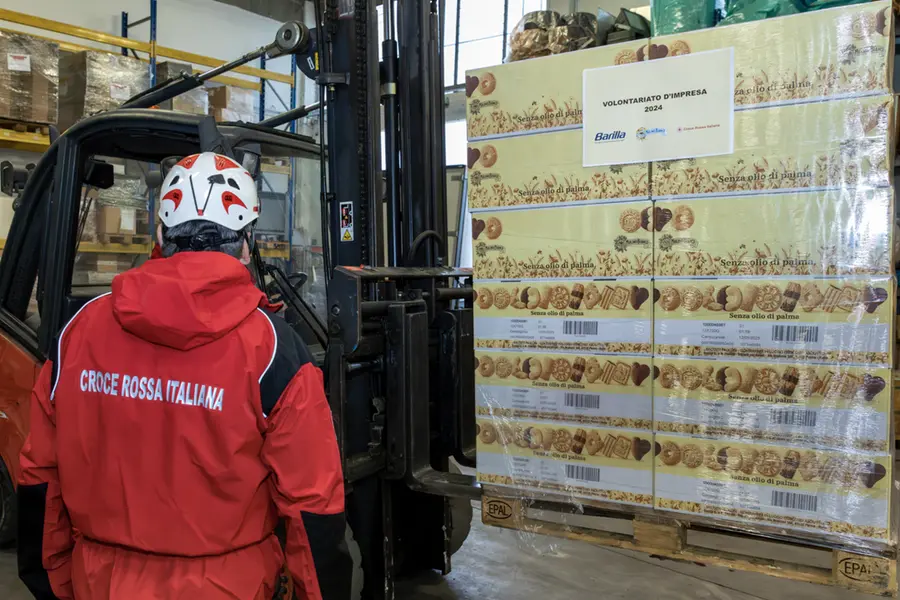
It’s not a detail. In a time marked by distrust and polarization, credibility also depends on the coherence between what is declared and what is practiced. Internal policies are also moving in this direction: from equal pay achieved already in 2020 to the choice to guarantee twelve weeks of paid parental leave for both parents. Measures that speak of an idea of business as a community, even before being an organization. What holds all this together is a vision that has its roots far away, in that bakery opened in Parma in 1877 by Pietro Barilla. Since then the world has changed, and with it the way of producing, distributing and consuming. But the idea that food is a cultural gesture, before an economic one, has not changed, at least in intentions.
It is perhaps this continuity, more than any strategy, that explains the leap made in ranking global. Because reputation, like trust, is not achieved in a day: it is built over time, through choices that bring together market and responsibility, innovation and memory.