




Non-alcoholic fatty liver disease or “fatty liver” can have several causes, but all are exacerbated by the consumption of ultra-processed foods. Our hepatologist tells us what is the sign that should prompt us to consult.
“Fatty liver” disease continues to gain ground. Today it affects 8 million adults, or one in 5 French people. However, this silent disease is not just a simple accumulation of fat: in many patients, it triggers an aggressive inflammatory reaction called MASH (the new name for NASH). The liver begins to suffer and scar, developing fibrosis. This process transforms the healthy organ into rigid tissue, which significantly increases the risk of the disease progressing to cirrhosis or liver cancer if it is not detected in time.
The causes of an excessively fatty liver are mainly linked to the modern lifestyle, where energy intake exceeds what the body is capable of expending. Contrary to popular belief, the main culprit is not fat, but excess sugars (notably industrial fructose present in sodas and processed meals) which the liver converts directly into fat. “Overconsumption of junk food, fast food, industrial products, on-the-go lunches… causes us to absorb more, or even too much, sugars which can accumulate in the liver“, explains Professor Patrick Marcellin, hepatologist. Added to this is a sedentary lifestyle, which prevents us from burning these stocks, as well as type 2 diabetes, cholesterol or hypertension. It is this surplus of “fuel” stored in the abdomen which ends up clogging the liver and causing it to become inflamed.
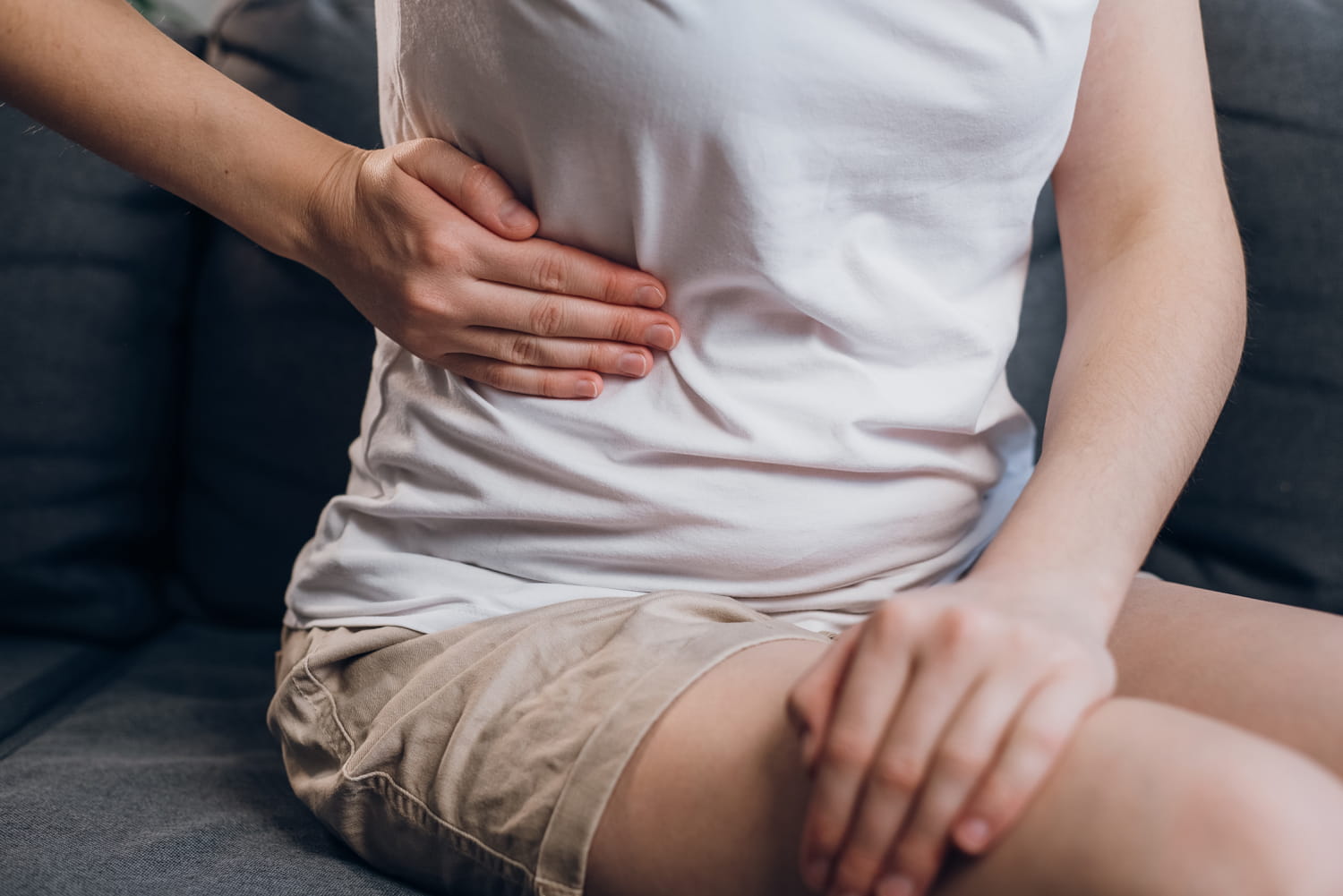
How do you know if your liver is too fatty? Although fatigue is often mentioned, it remains too vague a sign. The real symptom number 1, the one that lets you sound the alarm even before medical examinations, is an increase in waist size. It’s not just an aesthetic problem: this “visceral” fat is a toxin factory that directly saturates the liver. “We often search from noon to two p.m. with expensive examinations, while the tape measure is sometimes more useful than the ultrasound: if your stomach exceeds your ribs, your liver is probably suffocating“, illustrates the hepatologist. Concretely, if your waist circumference exceeds 80 cm for a woman or 94 cm for a man, the risk of fatty liver is statistically very high, even if you do not feel particularly tired. “On the other hand, a fatty liver does not hurt because the liver is a “dumb” organ that has very few pain receptors inside its tissue.“, continues the expert. We can therefore accumulate fat, inflammation and even develop scars (fibrosis) without feeling the slightest discomfort for years.
If you have excess abdominal weight, your doctor may order a specific blood test. It’s not just about checking transaminases (liver enzymes), but using scores (like FIB-4 or FibroTest). These tests combine age and blood results to precisely assess the level of fat in the liver as well as the presence or absence of inflammation or fibrosis (scarring). In some cases, the doctor may order an abdominal ultrasound or a Fibroscan (a device that measures the elasticity of the liver, much like an ultrasound) to confirm the stiffness of the organ without needing to do a biopsy.
The good news is that fatty liver disease is reversible in the vast majority of cases, provided you intervene before the damage becomes too permanent. By changing your lifestyle (weight loss, reduction of sugar, physical activity), the fat accumulated in the liver can disappear in a few months. It is estimated that losing 7 to 10% of your body weight is enough to eliminate inflammation and reduce fibrosis.