It has everything to become the star of your summer dishes.
With this heat, we naturally prefer large salads of raw vegetables, pasta or other lentil salads to compose light meals. But to refresh yourself even more, there are good aromatics. Laurence Plumey, nutritionist, specifically recommends an aromatic herb known for its “fresh” effect and its benefits on digestion. It goes very well with all salads.
And the science is moving in its direction. A study published in 2025 showed that this aromatic “has been used for millennia to improve digestive disorders”. The researchers report significant results, “such as better control of abdominal pain and discomfort”. In question, a relaxing effect on the smooth muscles of the intestine. By relaxing, the intestinal wall lets gas circulate better and facilitates transit, which soothes bloating, spasms and that feeling of a swollen stomach that sometimes follows a meal. The other strong point of this aromatic herb is its immediate freshness effect. “Your body receives the same signal as if it were in contact with ice”explain the researchers of a second study.
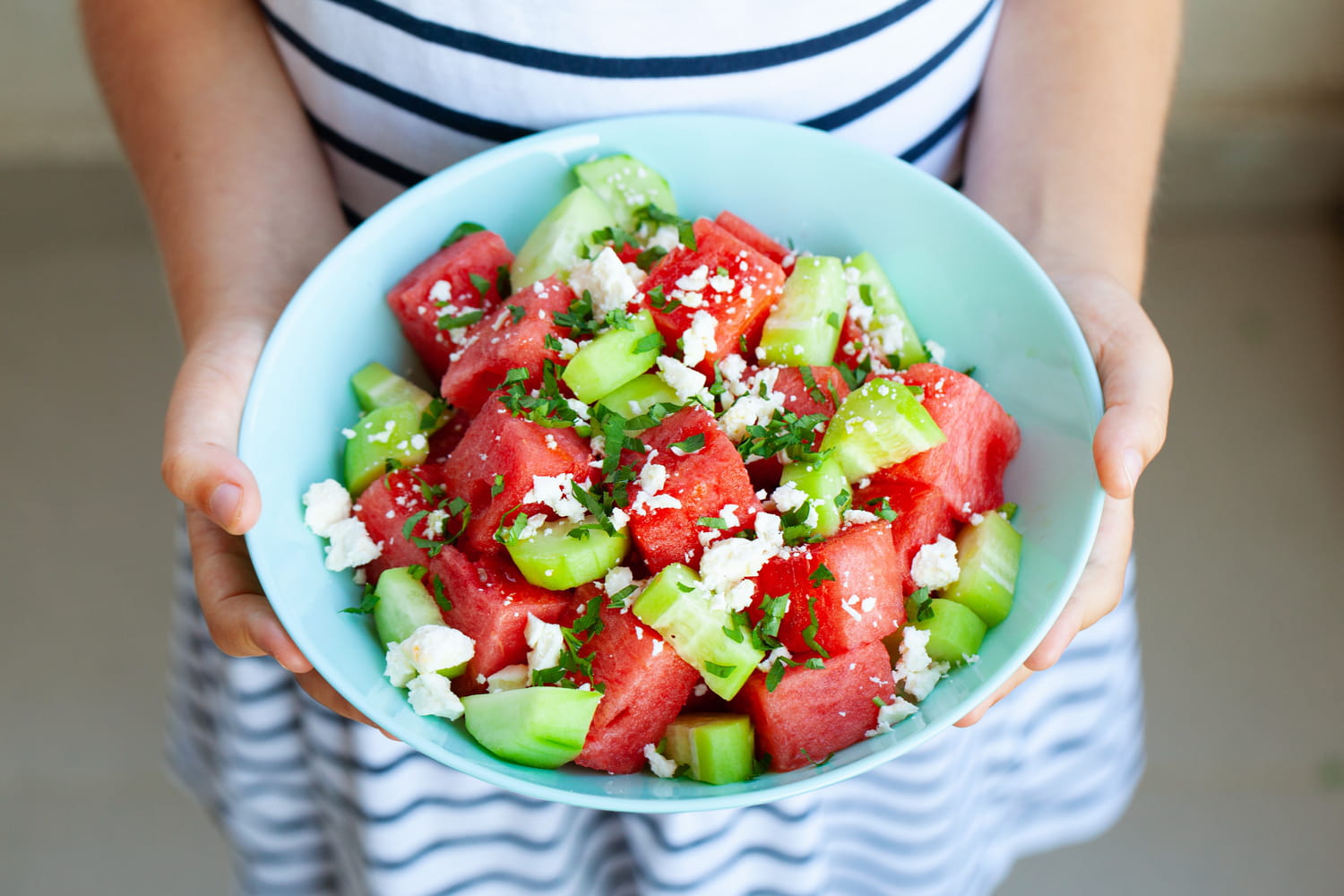
This refreshing effect is caused by the key compound of aromatics: menthol. Fresh mint is what the nutritionist recommends to refresh your meals and digest better. And that’s a good thing since it’s peak mint season in the gardens. Simply cut a few stems, keep the leaves, wash them and put them, chopped or whole, in salads (salty or sweet for that matter). Dried mint is just as effective as fresh, because its active ingredients last for at least a year after drying. On the other hand, it is less good in salads than fresh. Mint can be combined with parsley or rosemary (liver protectant).
For Laurence Plumey, it reveals itself in tabbouleh, “This is what makes tabbouleh nutritionally interesting.” she explains in a video. “Putting lots of aromatic herbs in a homemade tabbouleh is much better (than semolina, editor’s note)” continues the expert. In a good tabbouleh, “there are herbs, parsley, mint, pepper, tomatoes, little pieces of onion”she recalls. His ideal recipe? Lebanese tabbouleh based on large quantities of mint and especially parsley, an antioxidant rich in vitamins. “And don’t forget the olive oil, of courset”.
Generally speaking, mint is an exceptional medicinal plant in all seasons. You just have to, like all natural remedies, not consume them excessively. At very high doses, it can cause excessive cooling of the body, headaches, digestive disorders, or even an increase in blood pressure. Herbal teas and infusions are not recommended for children under 5 years old, as well as people suffering from gallbladder disorders or hypertension. Always respect the dosages and, if in doubt, seek advice from a specialist pharmacist.