





Irritable bowel requires you to review your habits. While the shelves are full of “miracle” infusions, a dietician reminds us that a single, simple drink is much better for soothing the digestive system.
Irritable bowel syndrome (IBS) is a disorder of gut-brain interactions, characterized by abdominal pain, bloating, and transit disorders, which can in some cases be improved or, on the contrary, exacerbated by what we drink. Herbal teas, fruit or plant infusions (chamomile, basil, fennel, etc.) can be consumed: they are not discouraged, but they are not particularly recommended either. In the general population, some are recommended to reduce gas and lighten the stomach but in the context of IBS, it’s all a question of personal preference.
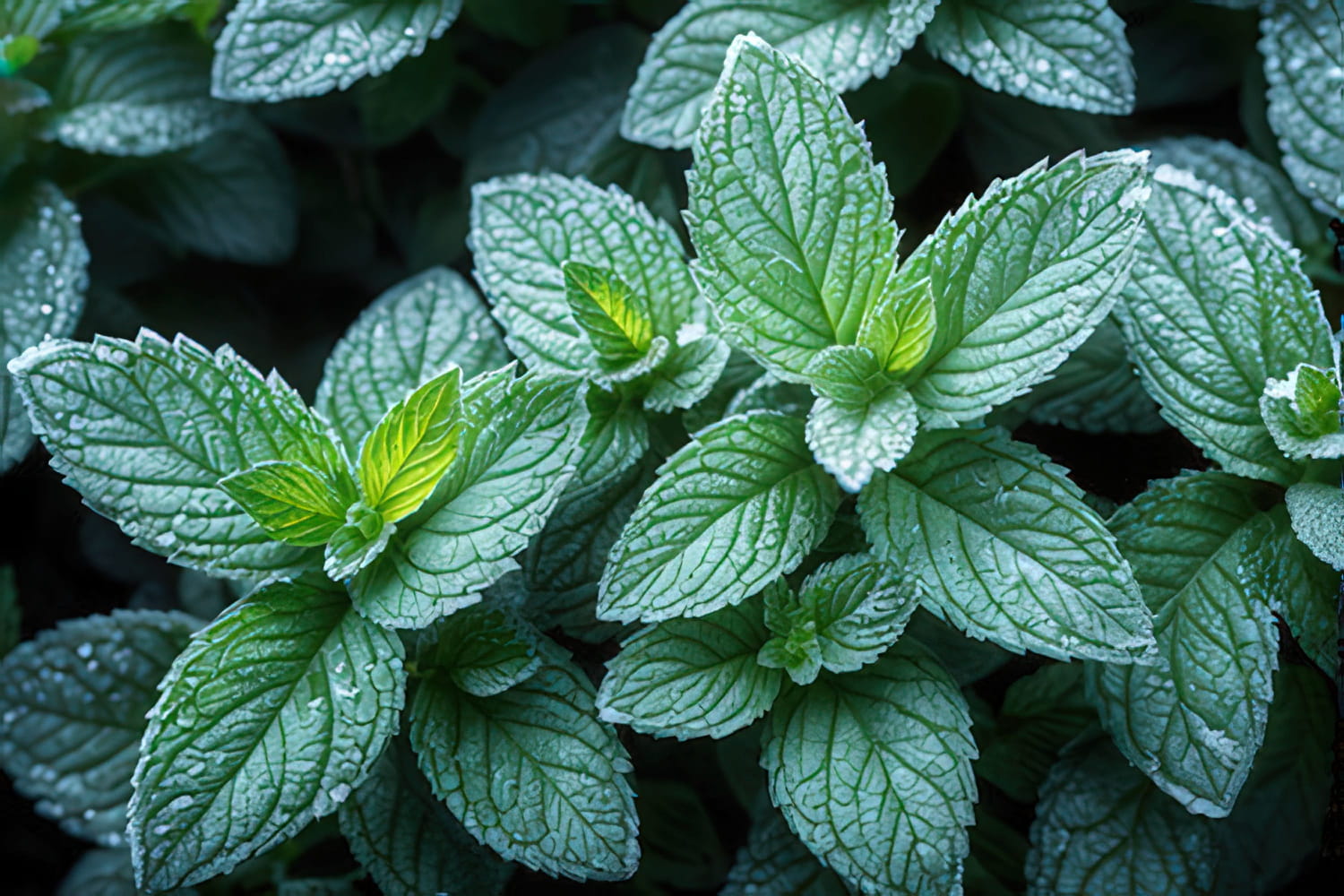
Contrary to popular belief, the effects of a peppermint infusion on irritable bowel syndrome have not been demonstrated in the scientific literature: in the form of herbal tea, it is destroyed by the acidity of the stomach, before being able to act in the intestine. “We do know, however, that peppermint in medicinal form can be really effective in relieving intestinal pain. It is encapsulated and directly delivered to the intestine. Only the gastro-resistant capsule based on peppermint essential oil has a sufficient level scientific evidence” comments Anne-Sophie Schmitt, hospital dietician specializing in digestive disorders, to Journal des Femmes. Studies show that in this form, peppermint can aid digestion, have an intestinal antispasmodic effect and reduce gas and bloating.
While chamomile infusion is sometimes suggested to calm digestion, it is not always recommended for sensitive intestines. “ Chamomile contains Fodmaps, and in the event of a specific intolerance, it can be a source of digestive symptoms for certain people. Rather than avoiding it altogether, I recommend trying the equivalent of a small 150 mL cup of herbal tea steeped lightly (1 to 2 minutes). If you tolerate it well and it gives you relief, there is no reason to avoid it » develops our interlocutor. But for her, there is only one drink systematically recommended when you have irritable intestines: plain water.
A little disappointing perhaps but Anne-Sophie Schmitt assures that it is the gentlest on the stomach. It is ideally drunk at room temperature or a little warm depending on preference. “In some cases, heat can provide a soothing effect on abdominal pain.. The heat, whether delivered internally or externally through a hot water bottle, has the effect of relaxing the muscles of the abdomen. Soothing by heat is an individual feeling, it is not a scientifically proven benefit.. Heat reduces abdominal contractions or spasms and can help to locally improve blood circulation and muscle relaxation. Heat also offers a slight analgesic effect by reducing the perception of pain.
The specialist dietitian invites us to be vigilant regarding certain drinks that irritate the intestines, such as sparkling water, sodas containing gas, coffee or tea in large quantities. “Coffee can have negative effects on the digestive system, which is why it is recommended not to exceed 3 small cups per day. Milk, rich in lactose, can also trigger abdominal pain, changes in bowel habits or bloating in patients with lactose intolerance, just like orange or apple juice or alcoholic drinks. Nothing is really forbidden. Above all, you must learn to observe yourself, to notice for yourself which drink, and especially in what quantity, increases the symptoms. At the same time, keep in mind that it is rarely necessary to completely eliminate a drink, but rather to favor moderate consumption.