




“With age, immunity declines. By consuming the right nutrients, we can help the immune system protect us against the flu” explains a nutrition expert.
The flu epidemic is back. The flu knocks out the body for 7 to 10 days or more. We all want to avoid it. The adage “you are what you eat” applies to the entire body, but it is especially important for the immune system during flu season. Good eating habits are an essential line of defense to help prevent the flu, or at least reduce its severity and duration.
Among the foods beneficial against the flu, one of them stands out for its formidable effectiveness. This root vegetable is an excellent source of beta-carotene, an essential phytonutrient precursor of vitamin A, itself crucial for the proper functioning of the immune system. “It promotes respiratory and intestinal health and increases the number of immune cells in the body“, underlines Anna Taylor, clinical dietitian in a prestigious American clinic. This food is even more beneficial for those over 65 because “as we age, our immunity begins to decline, but if we consume the right nutrients, we can help our immune system perform its function and protect us against viruses like the flu“, continues the nutrition expert interviewed by the AARP (American Association of Retired Persons).
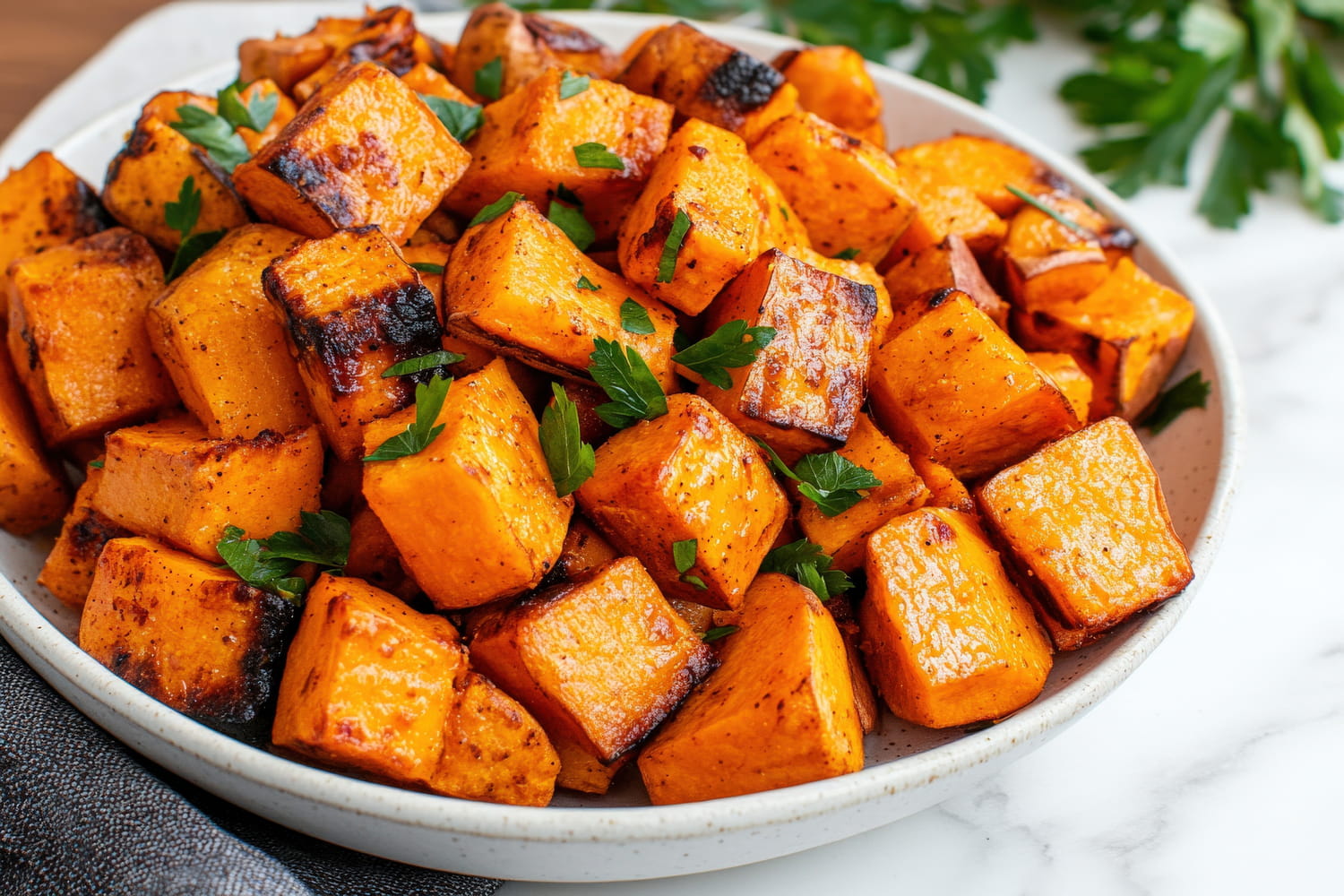
This food is sweet potato, to be put on the menu 3 to 4 times a week as a carbohydrate. It allows you to vary your starchy foods and easily replaces the portion of rice, pasta or bread. While there is no specific “magic dose” for flu prevention, nutritionists agree on a portion of 150 to 200 grams of cooked sweet potato (i.e. a medium potato). Instead of cooking sweet potatoes with butter, the dietitian recommends roasting them in the oven with a drizzle of olive oil, oregano and black pepper to “benefit from the added benefits of spices, without consuming too much saturated fat which weakens the immune system“, she emphasizes. In velvety form, it is also delicious and supports the immune system.
In addition, the dietitian recommends the consumption of foods rich in zinc in order to stimulate the production of white blood cells (leukocytes) essential for immunity. It is a trace element that we talk little about and tend to neglect, yet zinc allows the immune system to function better. However, the body does not store any. Nutritionists point out that zinc deficiency is particularly common among seniors, vegetarians or those who eat few foods of animal origin, hence the interest in regularly including foods rich in zinc on the plate. Among these, we find oysters, shellfish, red meats (beau liver, braised beef, lamb, etc.), pumpkin seeds and cashew nuts.
As you will have understood, the anti-flu diet is not based on a “miracle” food, but on a set of choices repeated every day. Vegetables rich in beta-carotene, regular sources of zinc, but also quality proteins, fresh fruits, legumes and whole grains create a more resistant terrain against viruses. The American experts interviewed by AARP emphasize this point: a well-nourished immune system responds faster and stronger. In practice, this means filling your plate with simple, varied and minimally processed products, and limiting saturated fats which fatigue the defenses. This base validated by doctors does not replace vaccination, but it accompanies it. It helps the body stay ready when the flu is circulating widely.