






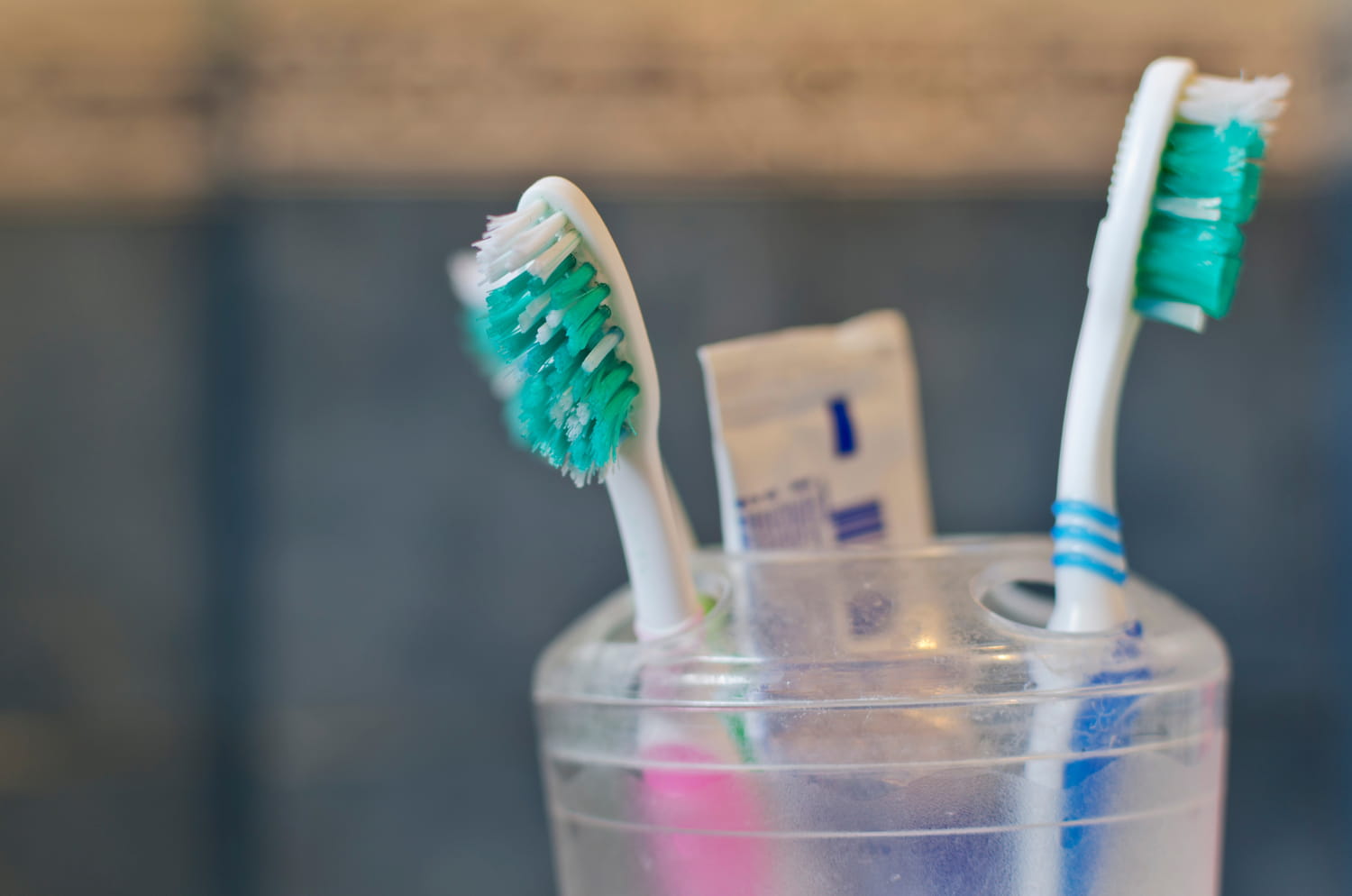
If you wait until it is too worn to replace it, you may be putting your oral health at risk.
It’s a daily health ritual: brushing your teeth. To do this, we use our brush mechanically, without systematically checking its state of degradation. Sometimes the hairs are totally tousled and crushed and we continue to use them. Is it really risky or not? Yes. All dentists say it: a toothbrush kept for too long becomes a real breeding ground for bacteria. Worse, it can attack the teeth. So when to change it to have perfect dental hygiene?
Keeping a toothbrush on for too long is a recognized risk for oral health. When the bristles lose their alignment and flexibility, they are no longer able to effectively dislodge the dental plaque that attaches to the teeth with each meal. To compensate, the reflex is to press harder, “which can damage your teeth and gums”warns Dr. Simón Pardiñas, dentist, in a video. Even more serious, “too aggressive brushing can lead to gum recession (loose teeth, Editor’s note) and wear of the enamel”.
To maintain good oral hygiene, you must regularly renew your toothbrush. That’s to say ? Every month? Every 15 days? Every 6 months? The dentist recommends changing your toothbrush “every three months”. To never forget this deadline, he has a simple tip: follow the rhythm of nature. “Think about the seasons: summer, fall, spring and winter.” When you move to summer, change your brush, then in fall, etc.
This duration can be reduced if the hairs spread outwards. At this point, the toothbrush is no longer operational. You don’t have to wait 3 months to change it. Same thing “If you have had a viral or bacterial infection, it is advisable to change it once the infection has cleared, as millions of bacteria accumulate on toothbrushes and can be harmful”specifies the doctor.
Keeping a toothbrush in good condition is essential for oral hygiene. As well as the frequency and duration of brushing. It is recommended to brush for two minutes, twice a day, using a rotational movement from the gum towards the tooth (the famous “pink to white” movement). Daily use of dental floss or interdental brushes also remains crucial to clean areas inaccessible to the brush bristles. By taking care of your accessories and adopting these reflexes, this protects dental capital in the long term.