




Nurul Amin Shah Alam had gone through a genocide, years of refugee camps, an ocean. He had arrived in the United States two months before ending up in handcuffs. On February 19, 2026, a white Border Patrol van left him alone at night outside a closed Tim Hortons in Buffalo. Five days later he was dead.
Shah Alam was 56 years old. He was almost blind, he moved with the help of a cane, he did not speak English, he could not read or write. He belonged to the Rohingya people, a Muslim ethno-religious minority in Rakhine State in Myanmarpersecuted for decades and defined by the UN as one of the most vulnerable minorities in the world. He had fled the genocide, passed through the camps, and on December 24, 2024, landed in Buffalo with his wife and children, with regularly recognized refugee status.
He had just begun to understand what the neighborhood was like when, on February 15, 2025, he went out for a walk. He was holding two metal rods in his hands, a habit from the past, perhaps a form of orientation, perhaps a residue of fear. Someone had reported it in the courtyard of a private house. The police had arrived.
Bodycams show what happened next. The officers shout at him to leave the rods on the ground, in English, in an increasingly aggressive tone. Shah Alam doesn’t understand the words. He does not see clearly who is in front of him. He’s getting closer. They shoot him with the taser. They handcuff him.
A year in prison for a misunderstanding
Shah Alam is arrested on charges of trespassing and biting two officers during the scuffle. It ends in the Erie County Holding Center, where he spends almost a year awaiting trial. His family members say he did not understand where he was or why he was detained. The language barrier, the visual impairment, the absence of adequate interpreters: every day was a maze.
In February 2026, Shah Alam pleads to two misdemeanors. An almost obligatory choice: a conviction for a serious crime would have automatically activated expulsion procedures. The district attorney accepts the plea deal “in the interest of justice.” Shah Alam posts bail. He was released on February 19, 2026.

The night of February 19th
As with all noncitizens, the county notifies the Border Patrol upon release. Federal agents take Shah Alam into custody, verify his status, and conclude that he cannot be repatriated: he is a recognized refugee, not expelled to a country where his life is at risk.
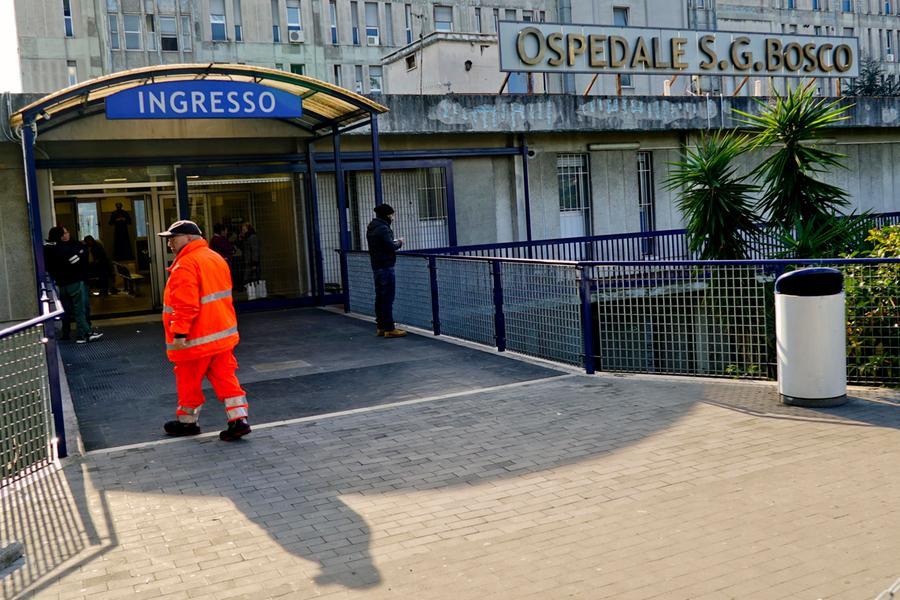
At that point, according to the Department of Homeland Security’s version, they asked him where he wanted to be taken. Shah Alam would have indicated a bar. At 8.18pm, A white Border Patrol van pulls up outside a Tim Hortons in Buffalo’s Riverside neighborhood. Shah Alam descends. The door is closed. Only the drive-through is still open.
Surveillance cameras record him groping in front of the glass door, then back and forth. He then walks away to a nearby Family Dollar. He had no documents with him. He had no shoes, according to the mayor of Buffalo. The family had not been notified of the release or his whereabouts.
Five days of silence
The next day, Shah Alam’s lawyer goes to the ICE detention center in Batavia convinced he will find him there. There isn’t. Start looking for it. On February 22, three days after his release, he filed a missing person report with Buffalo police.
A detective, mistakenly convinced that the man was being held in Batavia, temporarily closes the case. Then he reopens it. It’s too late. On February 24, 2026, the body of Nurul Amin Shah Alam is found by Buffalo police officers near the KeyBank Center, about four miles from where he was abandoned. The medical examiner has not yet determined the cause of death.
Who are the Rohingya: a story of endless persecution
To understand who Shah Alam was you have to understand where he came from. The Rohingya are a Muslim ethno-religious minority in Rakhine State, Myanmar. For decades the Burmese military junta has considered them foreigners, denying them citizenship under a 1982 law. They are stateless. The illiteracy rate reaches 80 percent: generations who grew up without access to education, healthcare, freedom of movement.
In 2017, the Myanmar army launched a military campaign that forced around 700,000 Rohingya to flee to Bangladesh in a few weeks. Mass rapes, burned villages, summary executions. A UN panel called that campaign “a textbook example of ethnic cleansing” and recommended that six Burmese generals be tried for genocide. Today, the Rohingya constitute the largest stateless population in the world: more than 3.5 million people dispersed across Bangladesh, India, Malaysia, Thailand, and a growing number in the United States.
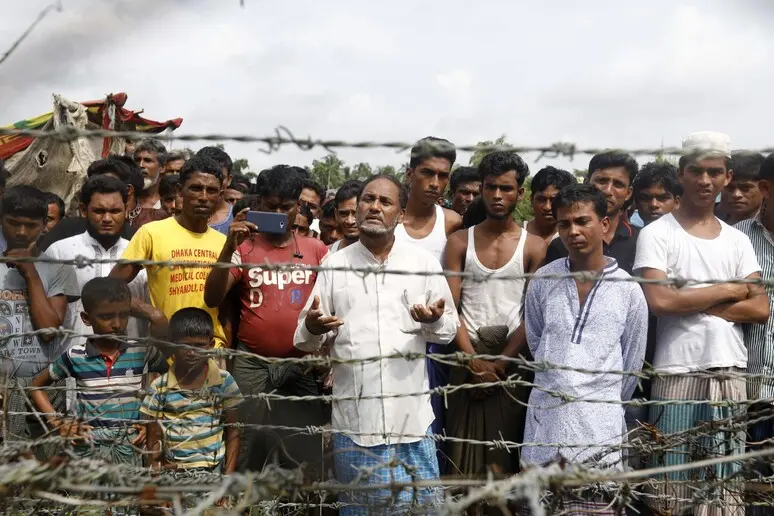
Shah Alam was part of this diaspora. A man who had already lost everything, who had gone through the genocide, the fields, the ocean. Having arrived in America with refugee status, a status earned with blood and fear, he ended up in prison for a tragic misunderstanding: a curtain rod mistaken for a weapon, an order shouted in a language he didn’t understand.
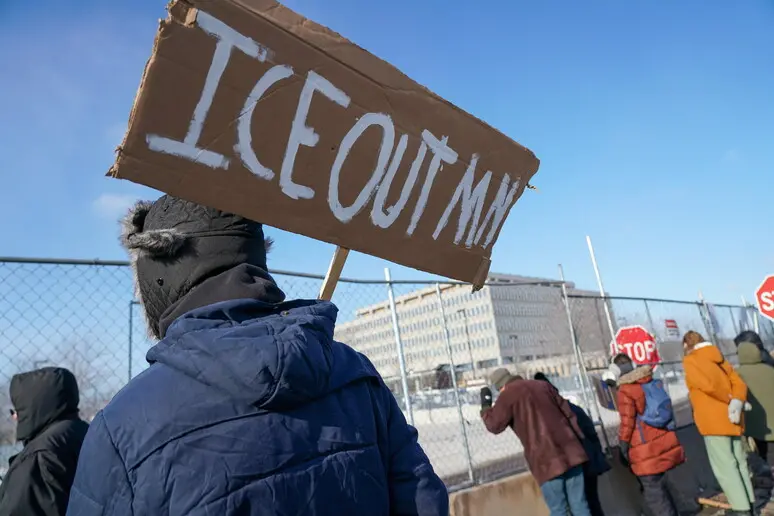
Shah Alam’s death sparked immediate reactions. The Buffalo Mayor Sean Ryan spoke of “unprofessional and inhumane conduct” by Customs and Border Protection, calling the release “a dereliction of duty”. New York Governor Kathy Hochul called for “accountability.” Senator Chuck Schumer has called for an independent investigation into ICE and CBP.
The Department of Homeland Security responded with a statement about X: “It is ridiculous to blame the Border Patrol for the death of an individual a week after their last interaction with him.” The agency argued that ride-hailing “did not even have to be provided,” and that Shah Alam showed “no signs of difficulty or disability requiring special assistance.” Surveillance footage tells a different story: a man groping in front of a closed door, in the dark, with temperatures near freezing.
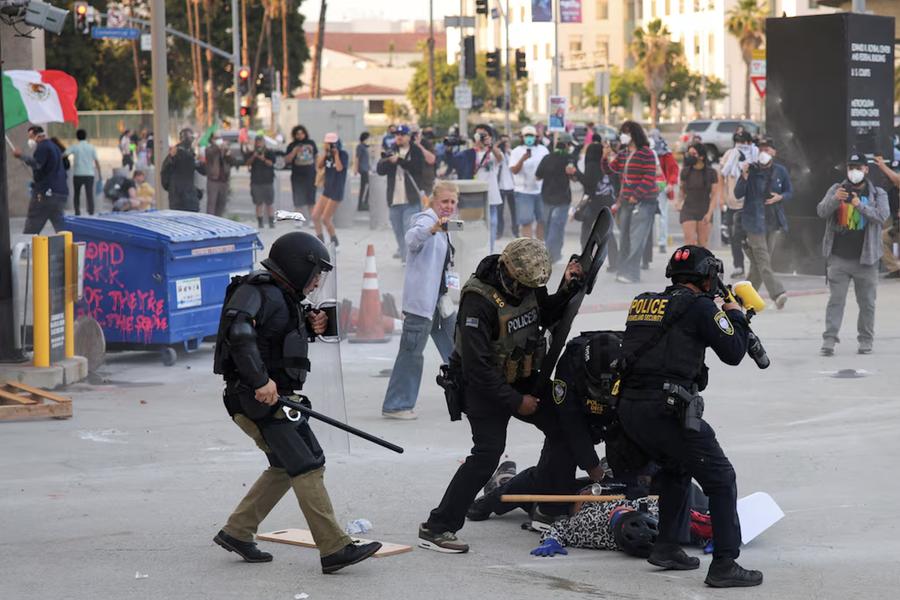
Shah Alam’s death is not an isolated incident. American immigration agencies have been at the center of a series of deadly cases in recent months. In Chicago, Silverio Villegas González was killed by ICE agents. In Minnesota, Renée Nicole Good died in circumstances in which the cameras contradict the official version. In Los Angeles, Keith Porter lost his life in a traffic stop. Agencies are also accused of releasing detainees — some arrested by mistake — without winter coats, without documents, without a way to get home, into the depths of a North American winter.
There is a thread that runs through these episodes: the logic of a system that measures efficiency in the number of expulsions and release times, but has no procedures for those, like Shah Alam, who cannot be expelled, do not speak the language, cannot see, cannot orient themselves. A system that locked a blind refugee in a cell for a year and never assigned him a permanent interpreter. Who released him at night, in winter, in front of a closed door, and then wrote to X that it’s not his fault.
Nurul Amin Shah Alam survived a genocide. He did not survive Buffalo.