


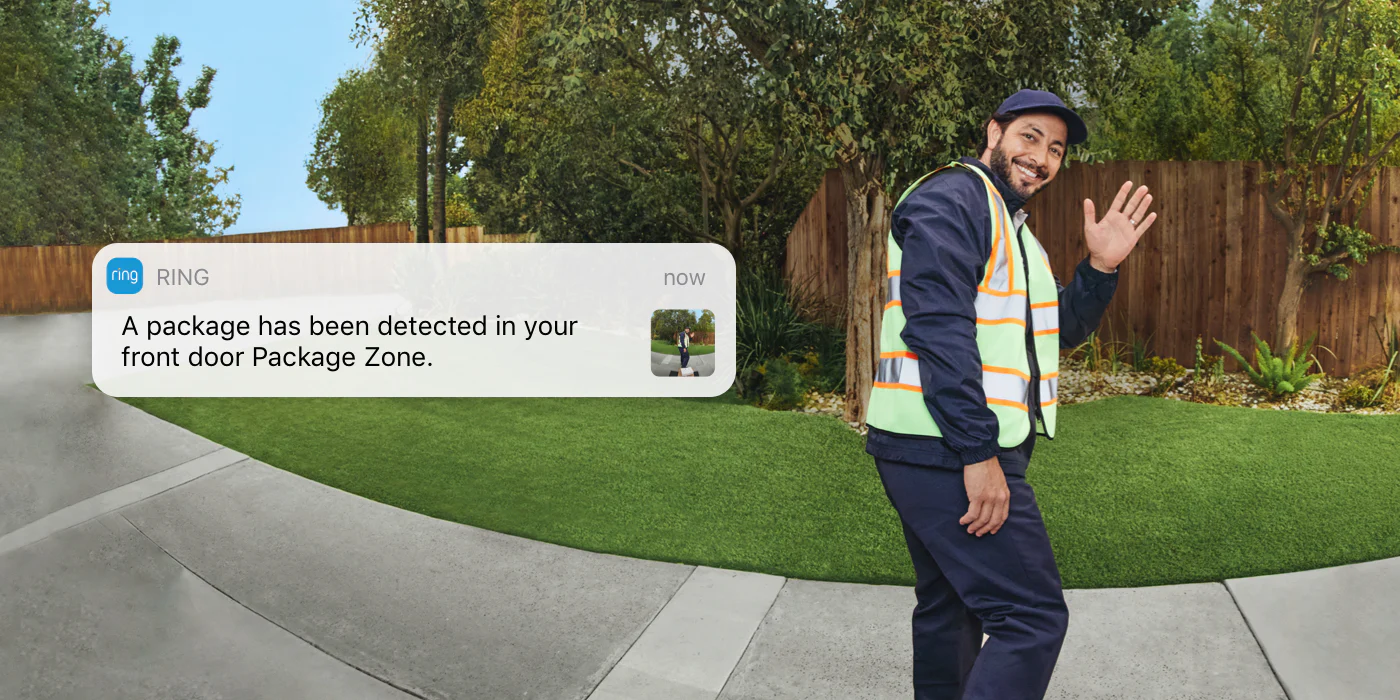



As Amazon pushes ring deeper into AI-powered home monitoring, the real story isn’t about surveillance or smart homes—it’s about how a simple product quietly became a daily habit inside millions of households.
Ring didn’t just become a $1 billion company—it quietly turned a simple product into a daily habit for millions of people.
When Jamie Siminoff walked onto Shark Tank In 2013, he wasn’t pitching a billion-dollar business. He was trying to keep one alive.
At the time, his product—then called DoorBot—had generated around $1 million in sales. He asked for $700,000 in exchange for 10% of the company. None of the investors were convinced. The only offer came with terms he didn’t accept.
He left without a deal.
Five years later, that same business—renamed ring—was acquired by Amazon for roughly $1 billion.
That story has been told countless times. The rejection. The comeback. The exit.
But it misses the point.
Ring didn’t succeed because it built a better doorbell. It became one of the most successful smart home businesses of the past decade because it embedded itself into how people behave inside their own homes.
Siminoff’s idea started with a small, everyday frustration.
“I’ve always been an inventor,” he said. “I would tinker all the time.”
In 2011, working in his garage, he realized he kept missing visitors because he couldn’t hear the doorbell. Having recently bought an iPhone, he assumed a connected solution must already exist. It didn’t.
So he built one.
The first version was basic—just a camera and a wireless connection—but the reaction was immediate.
“My wife said it made her feel safer,” he said. “That was really the aha moment.”
That shift—from convenience to reassurance—was critical. It meant the product wasn’t just useful. It was something people began to rely on.
After the Shark Tank rejection, the business didn’t disappear. The exposure drove awareness, and customers understood the product faster than investors did.
DoorBot became Ring in 2014. The technology improved quickly, but the bigger shift was how the product began to fit into daily life.
How Ring Became a Daily Habit — Not Just a Product
This wasn’t something people installed and forgot about. It became something they returned to—checking alerts, opening the app when they were away, responding to small moments throughout the day.
Those interactions were simple at first, but they repeated. Over time, repetition turns into routine.
That’s where the model becomes powerful.
Each notification creates a reason to come back—a delivery, a visitor, a movement at the door. Unlike traditional hardware, which is used occasionally, Ring builds multiple touchpoints into everyday life. The more often it’s used, the more familiar it feels—and the harder it is to replace.
That’s the point where a product stops being something you buy and becomes something you rely on.
The growth followed.
Revenue climbed from $30 million in 2015 to $170 million, then $480 million in 2017. Investment followed, including backing from Richard Branson and major venture firms. In total, the company raised more than $200 million before its exit.
But that growth wasn’t just about better technology or marketing. It was being driven by something deeper—the fact that people were using the product again and again, building it into their daily routines.
That kind of growth is powerful, but it also creates pressure.
“When things are growing so fast and everything’s breaking, you’re just trying to keep the car wheels from shooting off,” Jamie Siminoff said.
Manufacturing had to scale ahead of demand. Inventory had to be committed months in advance. A slowdown could have created serious problems. From the outside, it looked like momentum. Internally, it was far more fragile.
And that’s the point where scale alone isn’t enough—you need infrastructure to support it.
That’s what Amazon brought.
Jamie Siminoff, founder of Ring, creator of the video doorbell business model
Amazon wasn’t buying a doorbell. It was buying a position inside the home.
At the time, many assumed the acquisition was about delivery—protecting packages or enabling in-home drop-offs. But as Jamie Siminoff later explained, that wasn’t the real reason.
“They realized it was an infinite problem to work on.”
The value wasn’t in the device itself, but in what it allowed the company to build over time. Ring had already become something people interacted with daily, and that made it far more than a one-off purchase.
For Amazon, it offered a foundation—an entry point into the home that could expand into a broader system of cameras, monitoring, and eventually AI-driven services. The more it was used, the more valuable that position became.

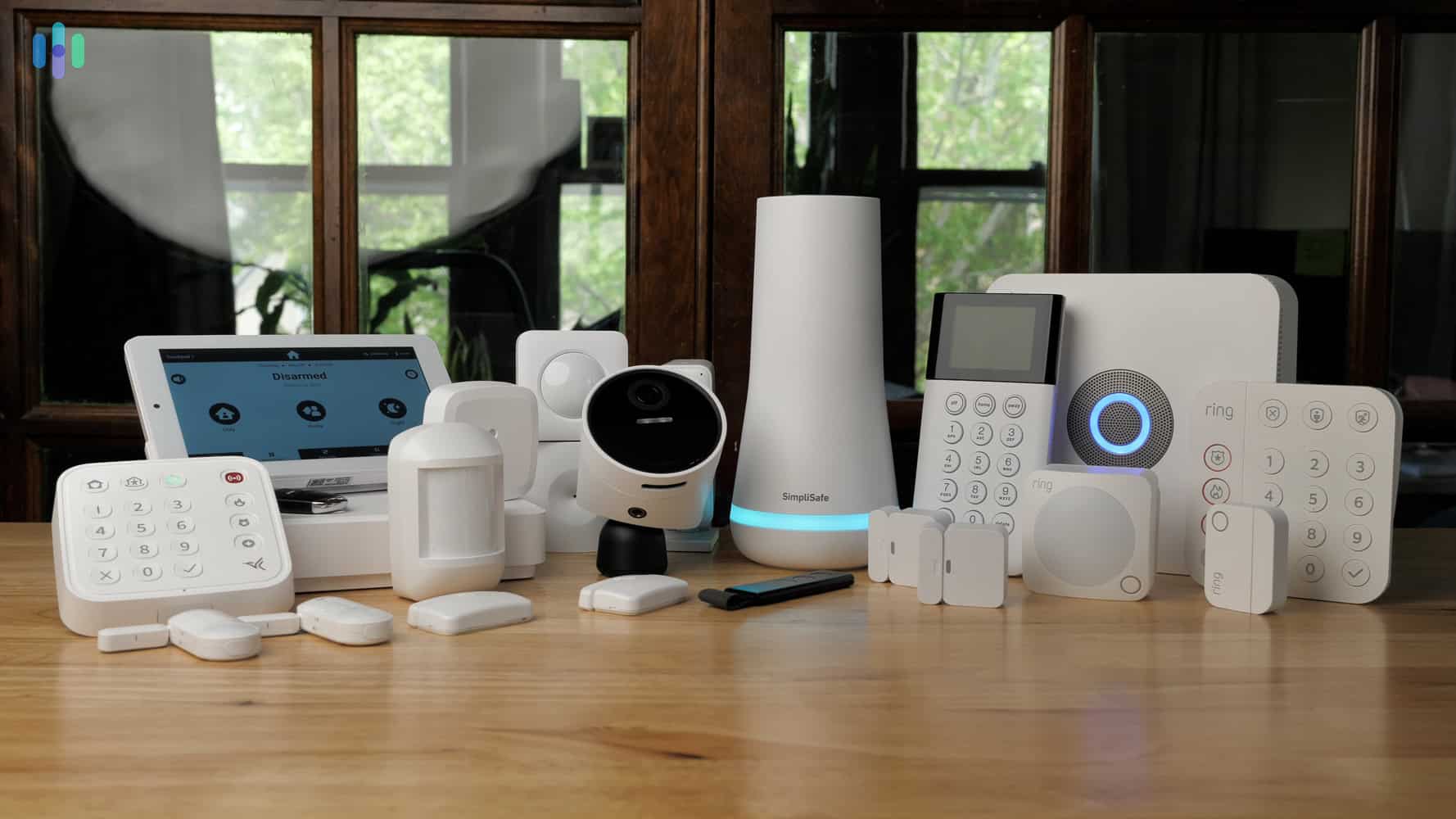
Ring expanded from a single doorbell into a full smart home system—turning repeated use into a broader, connected ecosystem.
After the 2018 acquisition, ring expanded rapidly under Amazon‘s infrastructure. More devices were added, and integration with the broader smart home ecosystem accelerated.
Jamie Siminoff remained closely involved before stepping back in 2023 after years of sustained growth. “I was mentally toast,” he said.
He returned in 2025 as the company began pushing further into AI, building features that could analyze footage, automate alerts, and deepen how users interact with their homes.
But that shift has introduced a new layer of tension.
The more embedded a product becomes in daily life, the more sensitive its role becomes. What began as a simple tool for answering the door now sits at the center of how people monitor, record, and interpret activity around their homes.
Privacy concerns have grown alongside those capabilities, with critics questioning how far connected home monitoring should go.
Siminoff has acknowledged that balance.
“There’s a balance,” he said. “You get to choose what you want to do with your home.”
That tension—between usefulness and control—is now shaping the company’s next phase.
Despite the shift towards AI, the core model hasn’t changed.
The real strength of the ring business model isn’t the hardware—it’s the repeated interaction it creates.
It begins with a simple entry point: a single device solving an immediate problem. From there, the value builds through ongoing use—alerts, notifications, and small, repeated moments that bring people back into the system.
That repetition is what drives expansion. The more a product is used, the more likely it is to grow—into additional cameras, subscriptions, and broader coverage around the home.
Growth doesn’t come from a single purchase. It comes from continued use.
Many smart home products solve a problem once. Ring solved a problem repeatedly—and that difference is what turned it into a platform.
Siminoff’s approach to leadership reflects that same principle.
“My email address is on every box,” he said. “No one is better than the customer.”
As companies grow, they tend to move further away from users. Processes replace people. Systems replace direct interaction.
Ring scaled, but it stayed focused on how people actually used the product.
That allowed it to evolve with its customers, rather than ahead of them.
For businesses, the lesson is simple: products that solve a problem once compete on price. Products that create repeated behavior build defensible value.
Today, Ring is installed in millions of homes and sits at the center of Amazon’s smart home strategy.
But the real story isn’t the acquisition or the scale.
It’s how a simple product moved from solving a problem to shaping behavior.
Because once a product becomes part of someone’s routine, it stops being optional.
And once it stops being optional, it becomes extremely difficult to replace.
That’s what Amazon really bought.
Not a doorbell.
A habit.