







Protecting your garden furniture in winter remains essential to keep it in good condition for a long time. A few simple actions allow you to protect it from the cold, frost and bad weather.
Autumn and winter arrive, with their own charm: the orange leaves that crackle, the rain that invites you to cocoon, the snow that covers the gardens with a white veil. But behind this gentle image also hide humidity, bitter cold and ice. For your garden furniture, it’s the same story: the season will be harsh. To find it solid and intact in spring, it is better to protect it now.
Before the cold season: we clean the furniture!
Before hastily putting your garden furniture into a shelter or covering it, it is essential to clean it well. Clean furniture will eliminate the risk of mold and damage. For the cushions and textiles, deckchairs for examplewe opt for machine washingaccording to the manufacturer’s instructions.
- Classic wooden furniture : If you have a wooden furniture, clean it using a stiff brush to remove all traces and dirt that lodge in the grooves of the wood. Pay particular attention to the feet, which spend the year in the earth or grass.
- Teak and exotic wood furniture : Real solid teak demonstrates exceptional resistance to humidity. But through exposure to the sun’s UV rays and bad weather, wood naturally turns gray. The remedy: apply oil teak or linen. This type of product exists in the form of protectors or renovators. They are applied with a brush or cotton wick and it only takes a few minutes to nourish the wood. Polishing finishes the job. It gives the wood its satin appearance. If you have a stubborn stain, wash with water and a light detergent. Rinse, sand with sandpaper and let dry. To finish, rub a little oil on the washed part. Note that if you have furniture made of exotic acacia and teak wood, it can be left outside, being accustomed to temperature changes.
- Resin furniture : A star material for garden furniture, resin is attractive for its reasonable cost and maintenance reduced to the strict minimum. Its shiny, non-porous surface prevents dirt from becoming encrusted. But as rot-proof as it is, the material ends up becoming clogged with dust and especially atmospheric pollution. When using a sponge or soft-bristle brush with soapy water is no longer enough, cleaning is then done with a special cleaner such as Durieu’s net-trol or a renovating polish for plastic. Never use anything else, you risk making the material porous.
- Plastic furniture : Start by removing stains with laundry soap. You can use it dry for the most stubborn ones and diluted in water to wash the rest. Fans of “organic” solutions prefer to use clay earth diluted in a little water. You can also repaint your garden furniture with a special exterior plastic paint. It can be found in almost all DIY stores.
- Aluminum furniture : If this material constitutes your furniture, a simple cleaning with a cloth will be enough to make it clean.
- Wrought iron furniture : If your tables and chairs are made of wrought iron, now is the time to check the possible impacts of the paint. If it “jumps”, humidity will sneak in and rust will develop and rot the entire structure. It might be time for a good coat of rustproofing.
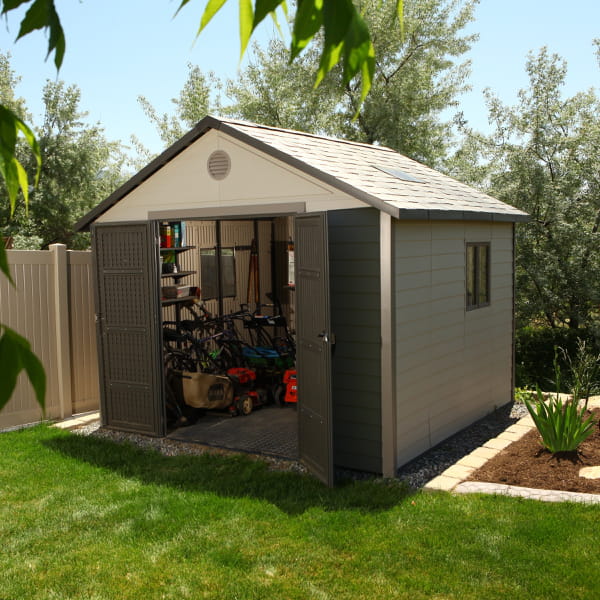
Nothing is better thana garden shed to keep your furniture dry. However, a non-humid cellar or garage can also do the trick. If you don’t have any of these, a tarp will be a good backup solution. Be sure to cover the furniture properly but leave circulate air, to prevent moldstains or rust development. Tip: if your furniture is going to stay in the garden and on the lawn, especially if the legs are made of wood, raise the legs so as not to let them “bath” in the damp winter soil. A cinder block or brick will do the trick.

When spring returns and (relative) good weather, potentially around the beginning of March, you will be able to bring out your garden furniture. But here again, good gestures must be adopted. Particularly concerning exotic woods. If your exotic furniture was purchased already oiled, consider sand it lightly and nourish it with linseed oil every year, when spring returns. This way, you will ensure its sustainability. Regarding plastic or aluminum, all you have to do is install them in the garden or on the terrace and enjoy the return of the sun.
Thanks to these tips, you should be able to enjoy long seasons from your garden furniture and not fear bad weather and the vagaries of winter.
(Thanks to Magali Bocciarelli, head of the Art of Living division at Jardiland, for her advice)