






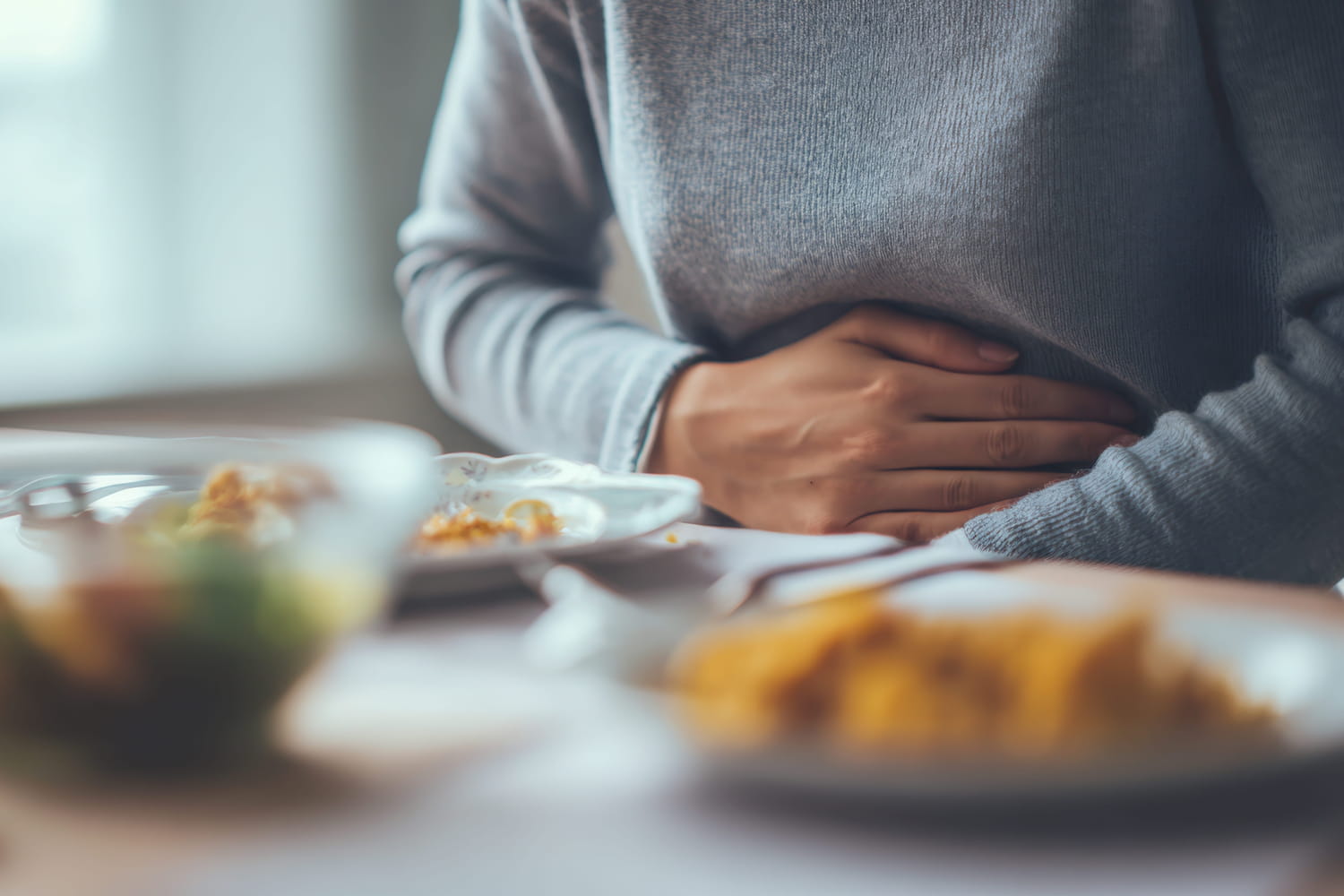
Food poisoning results from consuming drinks or foods containing bacteria (E. coli, salmonella, Listeria, etc.), parasites or poisons. Explanations and advice with Dr. Richard Handschuh, general practitioner.
Food poisoning is not that rare. Although they are mostly benign in France, the outcome can sometimes be very serious. Update on food poisoning with Dr Richard Handschuh, general practitioner.
Food poisoning is a digestive infection due to the ingestion of food or water containing bacteria (salmonella, escherichia coli, etc.), parasites (especially in water, fruits and vegetables), viruses (present in agricultural and marine products), poisons or heavy metals (lead or mercury in particular). Most of the time, the foods that cause poisoning are eggs, dairy products, cold meats, fish, shellfish, mushrooms or raw vegetables. Note that the ingestion of heavy metals (lead, mercury) is a somewhat different form of poisoning: it in fact involves contamination which takes place over time, sometimes for years, before manifesting itself.
The symptoms of poisoning appear very quickly, generally within 24 hours following ingestion of the offending food. It manifests itself by:
- nausea,
- vomiting,
- diarrhea, which are the body’s defense mechanisms to eliminate the pathogen.
- fever
- headaches.
- severe fatigue may persist for a few days after poisoning.
Generally, recovery occurs spontaneously within 48 hours following intoxication. If the condition does not improve after this time, it is advisable to consult a doctor to confirm the diagnosis. Bloody diarrhea is a medical emergency. “In all cases, it is preferable that children under 2 years old, pregnant women and the elderly consult a doctor as soon as symptoms appear.“, specifies Doctor Richard Handschuh, general practitioner.
“In most cases, treatment consists of compensating for diarrhea and vomiting by ensuring good rehydration.explains Doctor Handschuh. We temporarily stop eating until the symptoms disappear, continuing to hydrate in small sips (sugar water, rice water, etc.).“Certain cases of poisoning, which are more severe, require drug treatment (antispasmodics, anti-infectives or antibiotics). For fragile people, such as children, the elderly or immunocompromised people, hospitalization is sometimes necessary.
To protect yourself from food poisoning, you must first demonstrate impeccable hygiene:
- disinfect your refrigerator regularly (every 8 days),
- wash your hands thoroughly before preparing meals and particularly when leaving the toilet,
- store food in clean containers and never refreeze thawed food,
- avoid using the same utensils for cutting raw meat (especially poultry, which must always be cooked thoroughly) and vegetables,
- respect the use-by dates indicated on the packaging,
- pay particular attention to the freshness of shellfish.
Thanks to Dr Richard Handschuh, general practitioner, for his details.