




The door of the Church of the Holy Sepulcher closed before those who have crossed that door in the name of all for centuries. It’s not just a news story. It is a tear, symbolic and concrete, in the heart of Christianity.
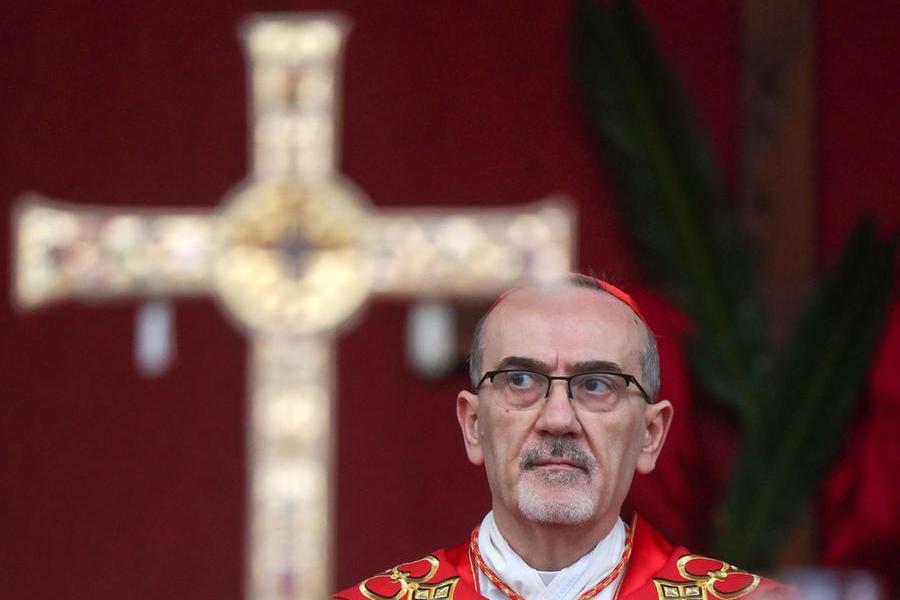
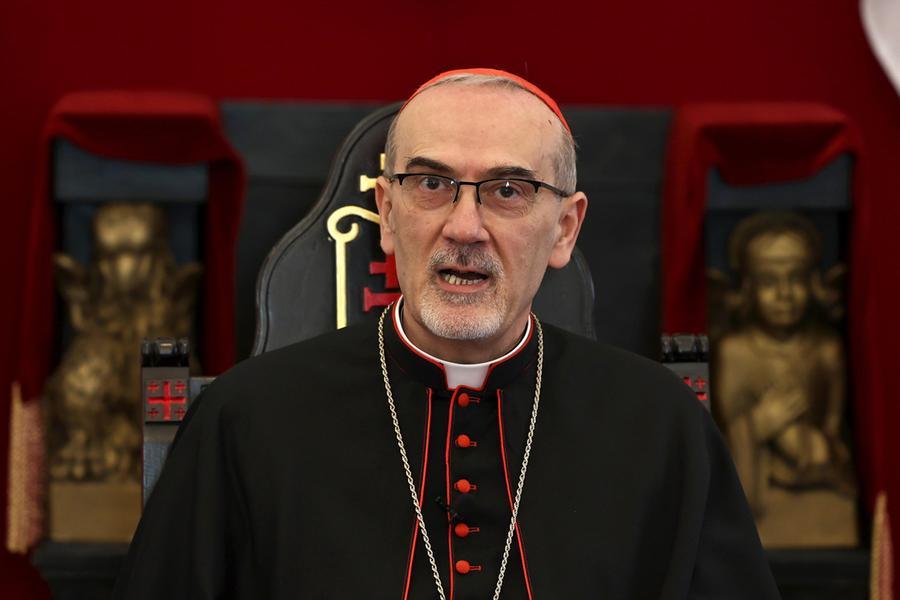
This morning Cardinal Pierbattista Pizzaballa, Latin Patriarch of Jerusalem, and Father Francesco Ielpo, Custos of the Holy Land, were stopped by the Israeli police while they went, privately and without any procession, to celebrate Palm Sunday Mass. Not a public demonstration, not a procession. Just two men of the Church headed to the holiest place of their faith.
The Patriarchate of Jerusalem speaks bluntly of a “clearly unreasonable and grossly disproportionate measure”. Heavy words, but inevitable. Because the point is not just the episode itself. It’s the precedent. “For the first time in centuries” – we read in the joint note – the leaders of the Catholic Church in the Holy Land were prevented from celebrating Mass in the Holy Sepulchre.
A fracture in history, even before in the liturgy.
The local Church claims to have respected all the restrictions imposed since the beginning of the war: reduced celebrations, absent faithful, liturgies streamed for millions of people around the world. A prudence that was not enough. And that makes the ban even more incomprehensible.
«An extreme departure from the fundamental principles of reasonableness, freedom of worship and respect for the Status Quo», denounces the Patriarchate. Words that evoke a fragile balance, built over the centuries precisely to safeguard those places where faith, politics and history intertwine without ever truly separating.
The pain, we read again, is for the faithful all over the world. Because Palm Sunday is not just any date. It is the entry into Holy Week, the moment in which Jerusalem returns to being, symbolically, the center of the world.
And instead today Jerusalem has closed itself to its Patriarch.
Prime Minister Giorgia Meloni speaks of “offence not only to believers, but to every community that recognizes religious freedom”. Foreign Minister Antonio Tajani uses an even clearer term: “unacceptable”. And he announces the summons of the Israeli ambassador.
When you limit access to the Holy Sepulchre, you are not just touching one place. We touch on a shared memory, a tradition that precedes states and survives wars. A balance that has always held up is being undermined precisely because no one had ever dared to force it to this point.