






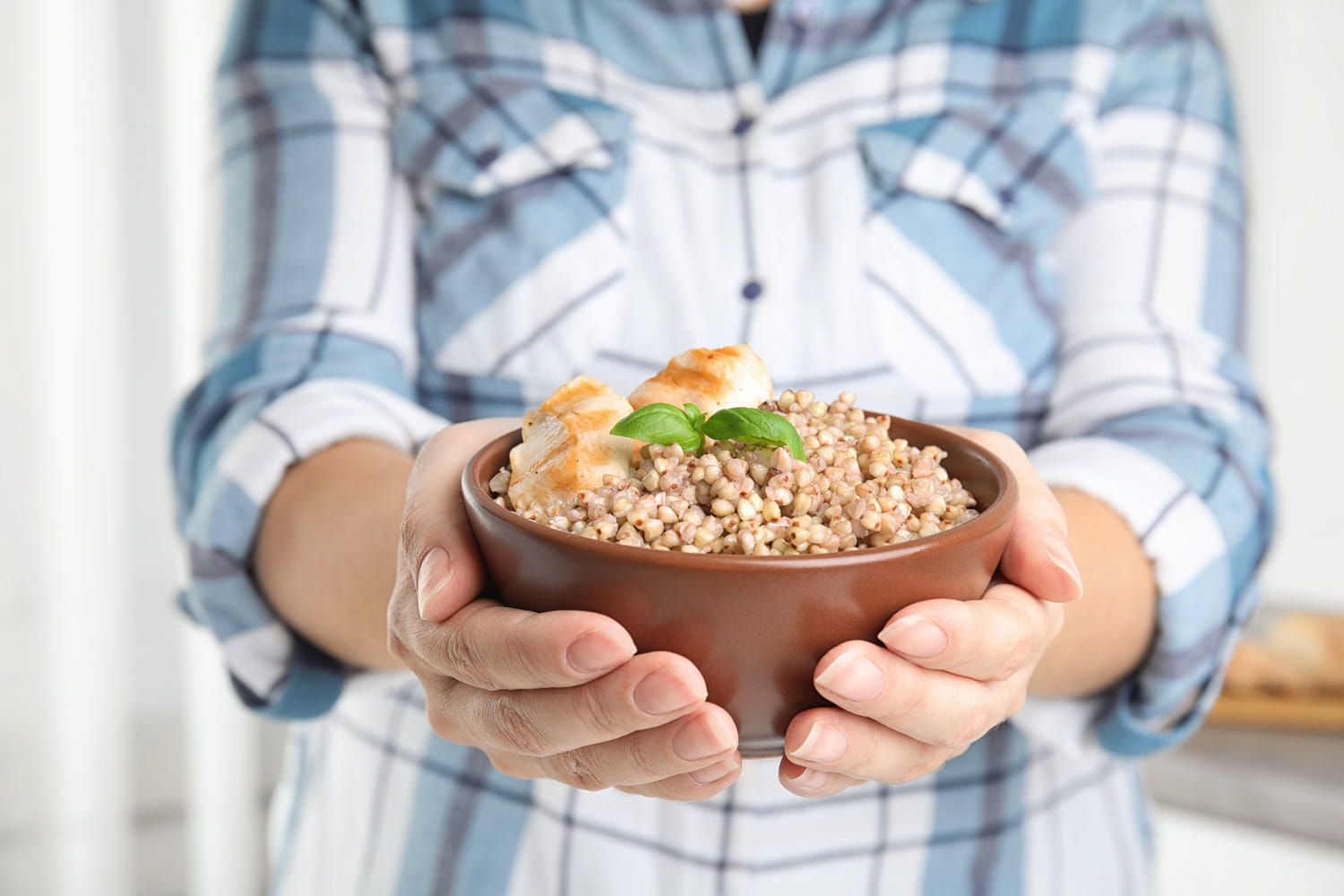
This food helps the blood to circulate more freely, thus limiting the risk of hypertension.
The proverb “we are what we eat” has never been more true than when it comes to cardiology. What we put on our plate is our first line of defense against cardiovascular disease. Certain foods do not just provide energy: they act as real biological modulators capable of smoothing blood circulation, protecting the walls of blood vessels and relieving the work of the heart muscle.
Among these foods, there is an ancient, often forgotten cereal that has exceptional properties for arterial health. Rich in soluble fiber, particularly beta-glucans, this food forms a gel in the intestine which traps “bad” cholesterol (LDL) before it oxidizes and clogs the arteries. This process helps keep the arteries clean and clear. By preventing cholesterol from oxidizing and being deposited, this food prevents clogging of the arterial walls, thus acting as a real shield for your circulatory system.
A major study published in the American Journal of Clinical Nutrition demonstrated that regular consumption of this food can significantly reduce systolic blood pressure (the top number on the blood pressure monitor). On average, participants had blood pressure reduced by 3 mmHG. By acting on the flexibility of the vessels, this food helps the blood to circulate more freely, thus limiting the risk of hypertension. This miracle food is pearl barley. Long remaining in the shadow of wheat or rice, barley is nevertheless one of the heart’s best allies. To benefit from its protective effects and observe a real natural “cleansing” of your arteries, nutritionists recommend consuming a portion of approximately 30 to 50 grams (dry weight, uncooked) at lunch or dinner at least 3 times a week.
Pearl barley is a versatile grain with a slightly crunchy texture and a slightly nutty taste. Its traditional use par excellence remains in soups: it gives body and consistency to winter soups while spreading its benefits. You can also eat it as an “orzotto”: cook it like a risotto, with mushrooms, vegetables, chicken and a little parmesan. But also in salad: once cooked and cooled, mix it with fresh herbs, raw vegetables and olive oil.
In addition to regular consumption of pearl barley, a few daily reflexes make all the difference in protecting your circulatory system: reduce salt, favor foods rich in potassium (bananas, avocados, spinach) which help eliminate excess sodium, focus on omega-3 by consuming fatty fish (sardines, mackerel) or nuts. These good fats are essential for reducing inflammation in the artery walls. Above all, move daily: 30 minutes of brisk walking helps “strengthen” your arteries, making them more flexible and less prone to the accumulation of fatty plaques.