
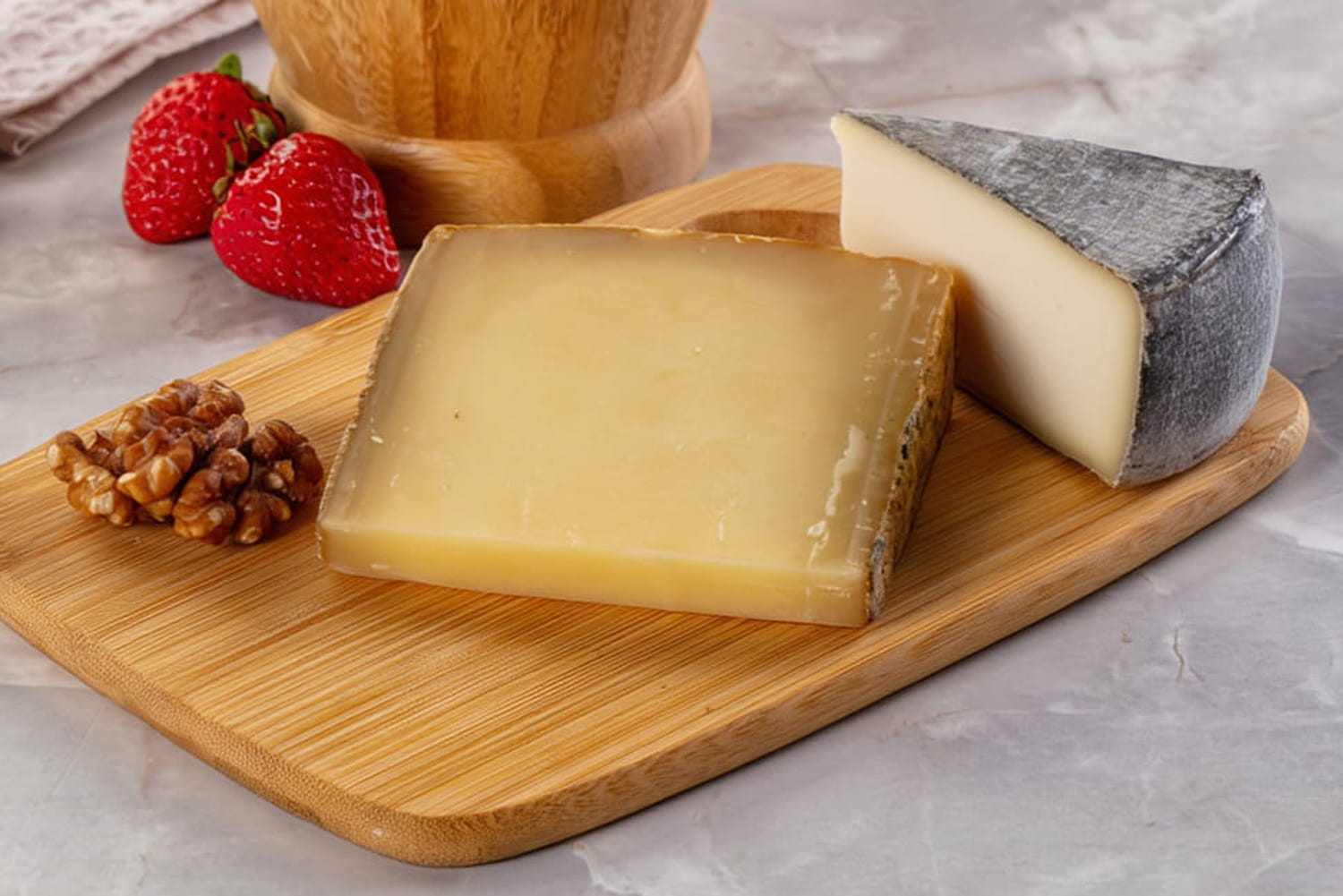





This cheese has a biological secret capable of guiding calcium directly to the bones, where you need it most. Scientists love it.
Aging in good health means above all feeling free to move and maintaining mobility. This is why preserving your bone density is crucial, especially from the age of 60-65. At this age, bones become more porous and the risk of osteoporosis and serious fractures (such as that of the femoral neck) increases. The key mineral in bones is calcium. “But consuming calcium without fixing it is like trying to fill a leaky bucket“, insists Dr. Jean-Paul Curtay, nutritherapist and member of the New York Academy of Sciences, in his “New Vitamin Guide“. This is precisely where a cheese, capable of fixing calcium like no other, can help.
In a study published in the journal BMJ Nutrition, Prevention & HealthNorwegian researchers compared the effects of daily consumption of 2 types of cheese on a group of volunteers (a Camembert and a hard, cooked cheese). The participants did not have prior bone pathologies and did not take medications affecting bone metabolism.
After 6 weeks, the researchers discovered that only hard, cooked cheese significantly increased the levels of osteocalcin, a specific protein that acts as the “glue” of calcium. It captures it in the blood and integrates it directly into the structure of the bone. It is thanks to vitamin K2, massively produced during the long fermentation of this cheese, that this protein is activated and that the bones are strong. Without this vitamin, calcium has a risk of getting lost and calcifying the arteries instead of strengthening the bones.
The cheese with a good character for the bones is none other than Comté. This product from the Jura is doubly valuable for seniors: it has one of the highest concentrations of calcium in the French cheese landscape (around 1000 mg per 100 g). It is also one of the most digestible cheeses available because it contains almost no lactose. To benefit from its benefits, nutritionists recommend consuming a portion of 30 to 40 grams of Comté per day, starting with breakfast for example. It is the old Comté (12, 18 or 24 months) which wins for bone health: it is more refined and the K2 concentration is at its maximum.
If you want to vary your pleasures while protecting your skeleton, two other cooked pressed cheeses contribute to good bone health: Beaufort and Emmental. Like Comté, they are extremely dense in calcium and rich in vitamin K2. For an even more concentrated alternative, Parmesan is also a reference for bones, often cited by geriatricians for its exceptional nutritional richness and ease of digestion.