It concentrates as much protein as a steak.
Practical, economical and always ready to help out at the back of the cupboard, canned fish has it all. Mixed salads, sandwiches, pastas: it offers a quick solution to stock up on nutrients. The fish are also “much richer in protein than meat”reminds us Daisy Bodin, dietitian-nutritionist. These macronutrients are essential for the proper functioning of the body: they constitute the very structure of our bones by consolidating the bone structure, participate in the construction and renewal of muscles, hair, skin and immune cells, and “give good digestive quality”. But which canned fish has the most protein?
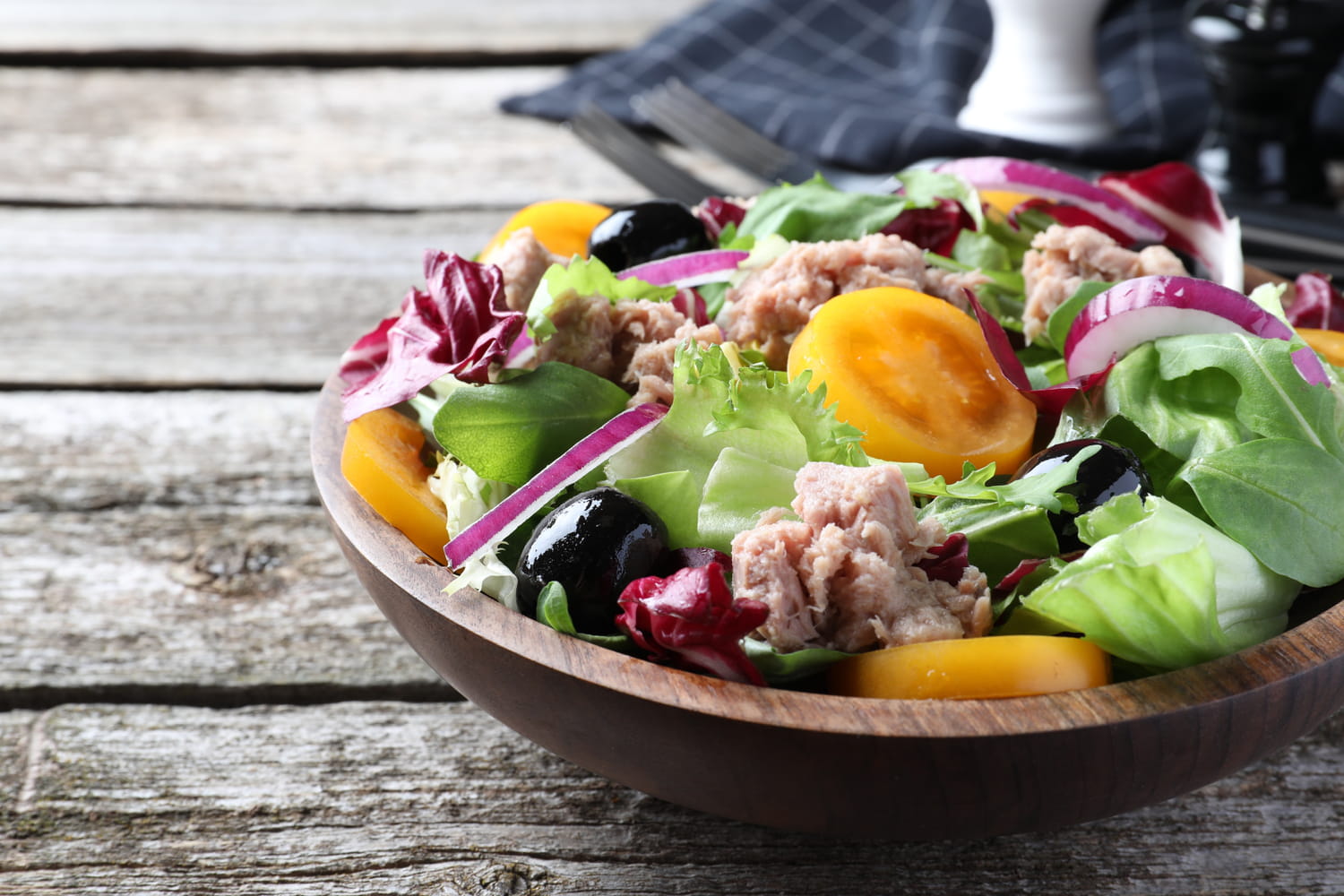
Highly appreciated by the French for its strong taste and firm texture, “this fish is very good nutritionally”says Daisy Bodin. Another advantage: its strong satiating power. “It has a satiety effect which is really very optimal”indicates the nutritionist. “Its flesh is so dense that you just don’t have to eat a lot of it to be satisfied.” As for its protein intake, “it’s good quality”. This canned fish which is excellent for the bones due to its protein content is tuna.
“It has 25 grams of protein per 100 grams”explains the dietitian. An impressive content, which rivals red meat: “For comparison, a very lean steak has between 22 and 25 grams of protein per 100 grams.” But be careful, its qualities come with a serious downside. “Canned tuna is very rich in mercury, due to the toxicity of the sea today”alerts the specialist who recommends “avoid it as often as possible. Authorities also recommend limiting tuna consumption per week. Instead, you can choose a fish with even more protein…
Cod. In addition to its protein richness, it is poorly exposed to heavy metals. “The fish richest in protein is cod, with 32 grams of protein per 100 grams”indicates the nutritionist. The specialist also recommends “mackerel and sardines”which she considers to be the best for health, “simply because they are fatty fish rich in omega-3, which have very little mercury”. Their protein content is around “16 grams” per 100 grams. Also to be preferred, “the mullet, the eel and the haddock”.
According to health recommendations, include fish consumption “between two and three times a week”of which “between 100 and 150 grams of fatty fish”. Last advice from our nutritionist: favor natural preserves, “without oil and salt, to have optimal nutritional quality”.