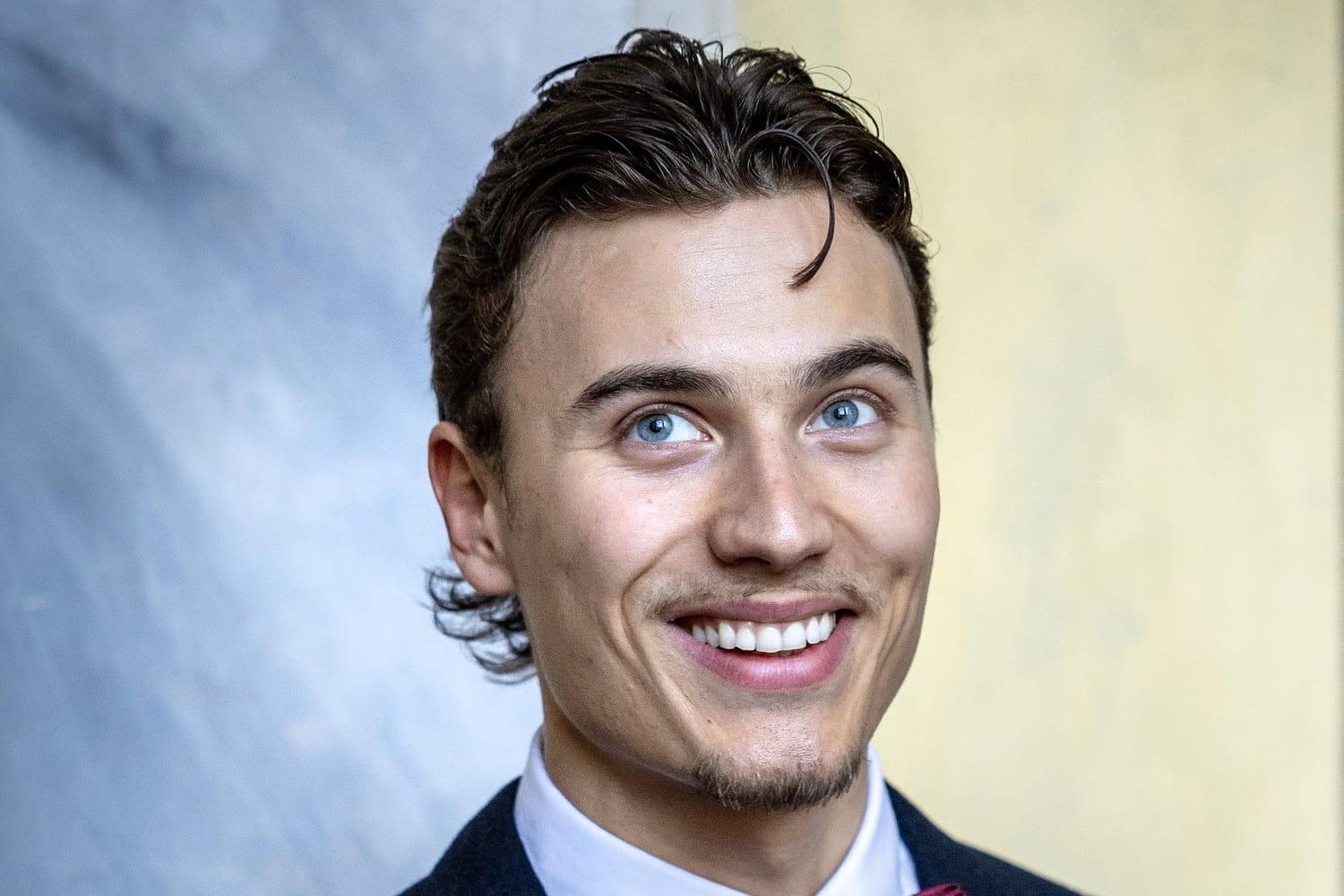





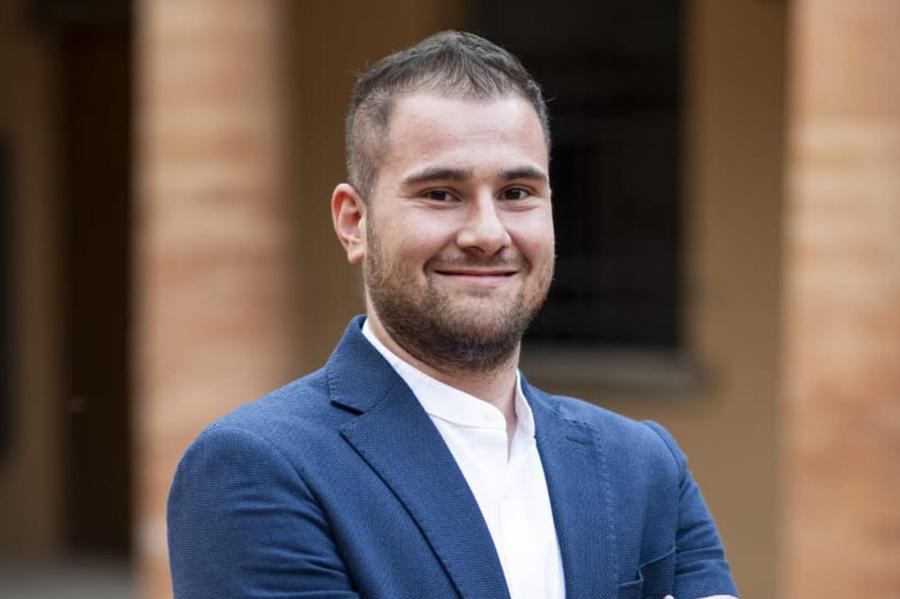
“I liked it, I’ll do it again.” It is a phrase that emerged from the interceptions of the investigation into the 27-year-old Luca Spadaformer Red Cross rescue driver arrested in recent days in the Forlì area on charges of voluntary homicide and suspected of several patient deaths during ambulance transport. According to investigators, some cases occurred in anomalous circumstances, while the victims were entrusted to his care.
It’s not just a news story: it’s a story that questions the very meaning of treatment and of responsibility towards those who are more fragile.
What happens when care turns into domination? We talked about it with the criminologist Roberta Bruzzone.


Doctor, what kind of profile emerges from this story?
«We are talking about a narcissistic profile. A person who works in contact with vulnerable people and who probably chooses them precisely for the position of power that this role allows him. Over time, this fuels an increasingly stronger dimension, to the point of building a real sensation of omnipotence, almost divine: the belief of being able to control the lives of others.”
So there is no form of piety, even distorted?
«No, there is nothing charitable about it. It is a mechanism that fuels the need to feel at the center: the feeling of having the last word on the lives of others. It’s not something that “got out of hand”, but a clear choice, which has nothing to do with relief from suffering.”
But is anyone who acts like this aware of what they are doing?
«Absolutely yes. We are not faced with a loss of contact with reality: so much so that the subject implements strategies to hide. And, at the same time, the need to exhibit this position also emerges, at least within a limited circle…”.
Does the choice of victims follow a precise logic?
“Yes. It is not a casual choice, but a utilitarian one: these are victims for whom a sudden death may be less surprising and therefore less easily identifiable.”
Is it correct to talk about the “angel of death” in a case like this?
«Yes, it is a correct definition from a criminological point of view. The so-called “angels of death” are those individuals who, exploiting their role in the healthcare context, kill people entrusted to their care. The scenarios can be different: some act for more pragmatic reasons, others for reasons more linked to personality. There are cases in which critical conditions are provoked in order to then intervene and show oneself as the most capable, and others in which it is precisely the death of the victim that gives a perception of power… In any case, what characterizes them is a strong narcissistic component combined with a sense of omnipotence.”
This case also somehow touches on the issue of the end of life. Is there a risk of confusing plans?
«They are two completely different plans. It is one thing to make a clear and conscious choice by the person (however much one may or may not agree), another is the intervention of someone who replaces that decision. Here we do not intervene to accompany, but to affirm ourselves. This is the point: to draw, arbitrarily, the limit between the life and death of others.”