



At the end of May, an innovative service was inaugurated in Tuscany for relatives and caregivers of people with mental health problems: this is the Nursing Help Desk at the Psychiatric Diagnosis and Treatment Service (SPDC) of the hospital Santa Maria Annunziata of Figlinemanaged directly by nursing staff. The service starts with a certain gradualness, by appointment only, every Friday morning from 10.30 to 12.00, but even with limited times, it constitutes an interesting novelty on the national scenefirst of all because it was conceived by the health professionals of the departments (especially the nursing staff), to point out that the topic of mental health and the care of people with psychiatric problems concerns not only specialists, but presupposes an explicit role, involvement and effective dialogue of the operators also with the family network.
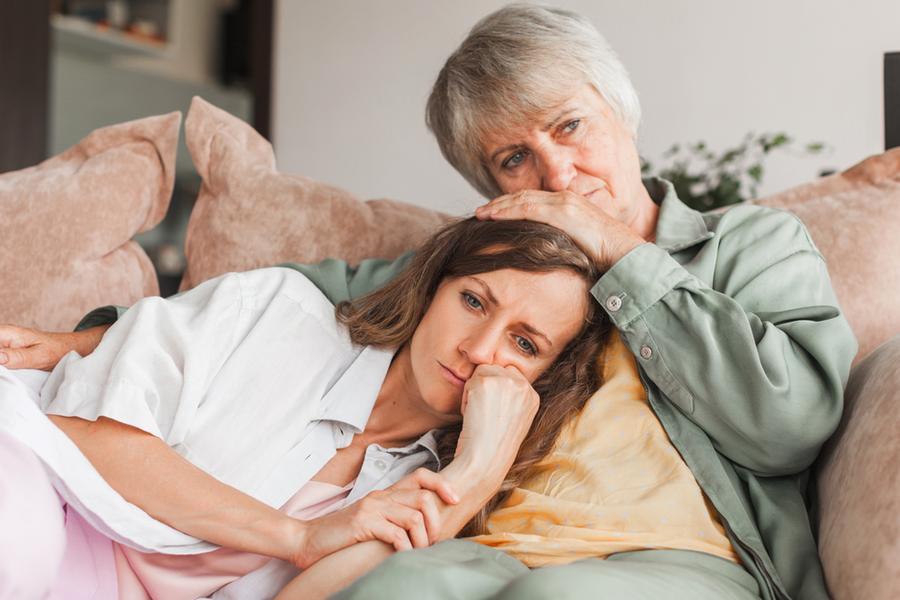
A further element of interest concerns the “simple” fact of having brought the issue of mental health back to the attention of the public debate starting from a positive treatment strategy, and not from dramatic news episodes, often poorly reported as crime news, rather than as examples of how crucial it is not to leave those with mental health problems alone, much less their families. Sometimes all it takes is the news that there is someone willing to listen to youto support you in the certainly demanding and often exhausting daily caregiving effort. Let’s not forget that family caregivers, and not just for mental health, are millions in Italy (recent estimates speak of seven million caregivers involved in various ways), especially women – but not only -, and with a great variability in age: they can be elderly parents looking after their adult child, or siblings, adults or even youngerof a person with mental problems, or grandchildren of very elderly and fragile grandparents both physically and mentally.
Lastly, let’s not forget that as the CISF Report 2025 – The fragile tomorrow (São Paulo), mental health services currently serve around 800,000 people, a figure well below the amount of people who might need them. The services are therefore overloaded and burdened by waiting lists that are often very long, and the role of families thus becomes even more decisive and irreplaceable. They did well, therefore, in Tuscany, to open a help desk for those who take care of their loved ones, because surely, and not just once, every caregiver will also have asked themselves, at the end of the day: “I willingly take care of my family member, but who takes care of me?”.
* director CISF (International Center for Family Studies)