

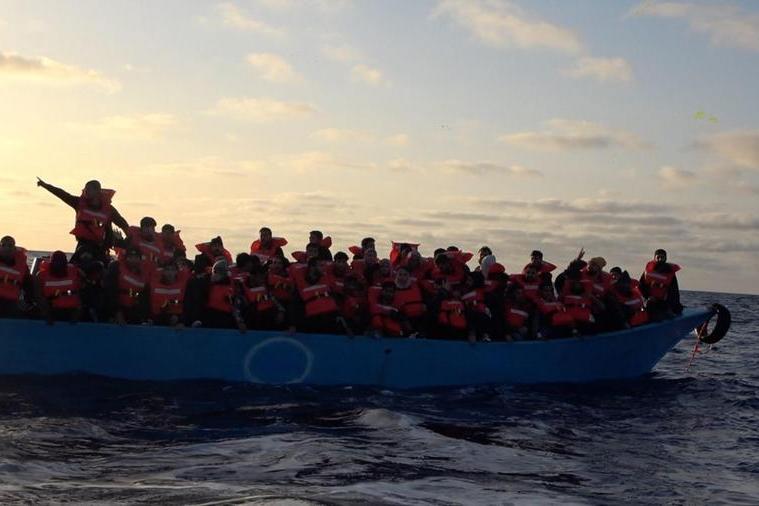


Arrivals by sea in Italy are decreasing, but Victims are increasing in the Mediterranean. According to data fromInternational Organization for Migration (IOM), from 1 January to 12 March 2026 545 people are already dead or missingagainst 144 in the same period in 2025. Numbers that tell a dramatic paradox: fewer landings do not mean fewer tragediesbecause many of the boats that leave never reach their destination.
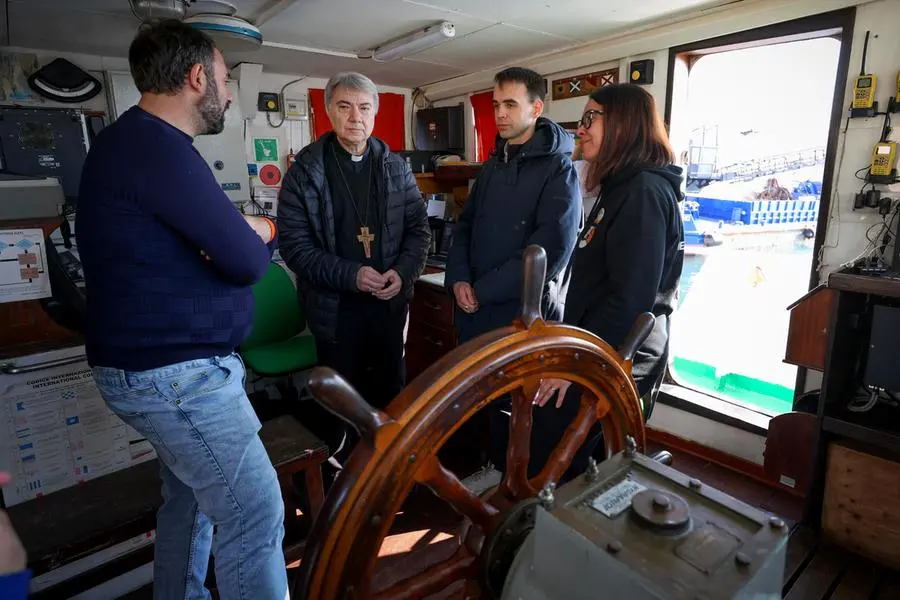
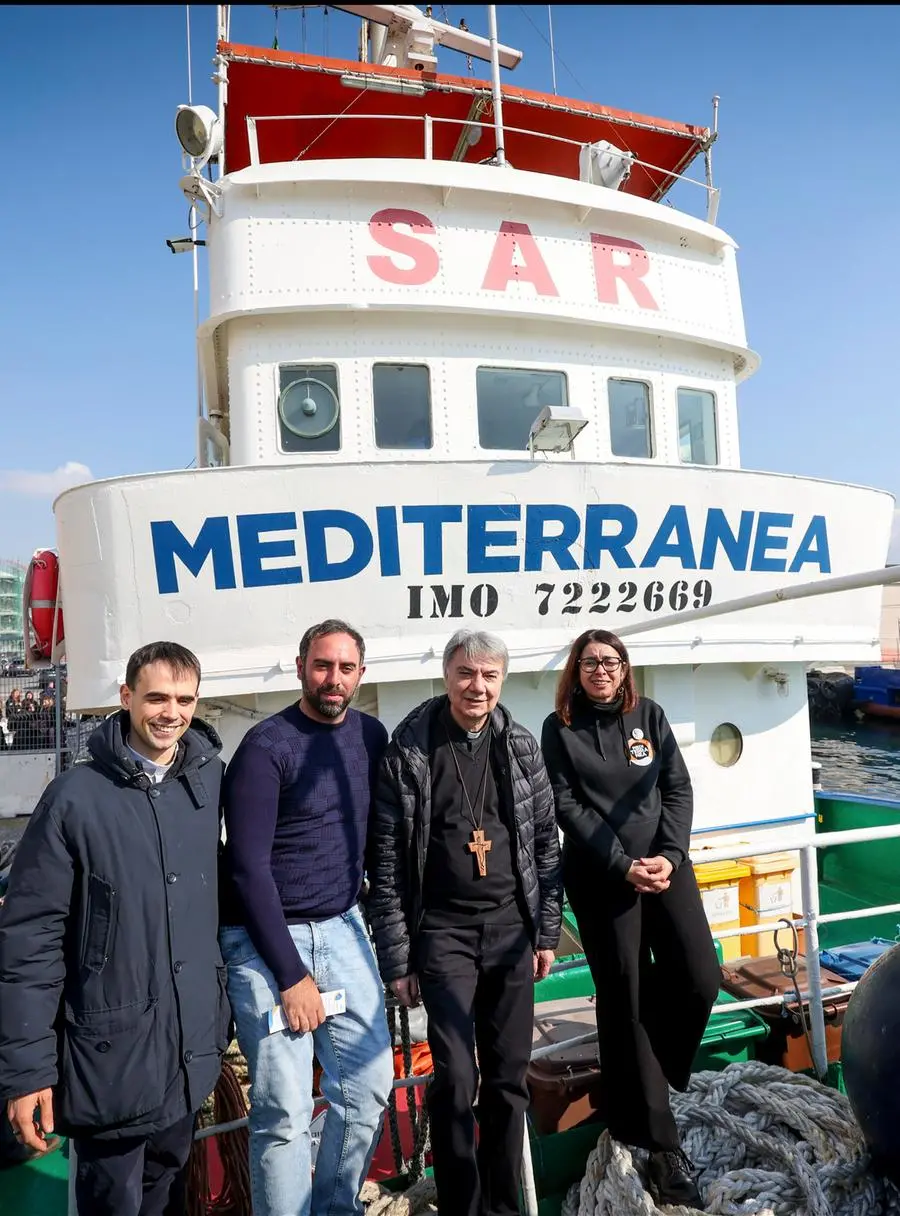
Faced with this scenario, we asked for a comment from Don Mattia Ferrarichaplain of Mediterranea Saving Humanswho has been involved in the rescue operations in the central Mediterranean.
According to the latest IOM data, arrivals by sea in Italy are decreasing, but at the same time the number of people losing their lives in the Mediterranean is increasing. How can we explain this apparent paradox?
«First of all, it must be said that these are the official data, but the real data are probably much higher. According to our calculations, for example, in January during the days of Cyclone Harry there were at least 1000 missing. So this number, which in itself is frightening, is actually probably on the lower side. The official statistics obviously have other methods of detection, but we understand that the deaths are higher. In any case, the point is this: the departures are more or less the same, but fewer people arrive because many are shipwrecked at sea. Let’s not forget that there is also another aspect: some people are shipwrecked, some arrive, but others are captured and taken back to the concentration camps. There is therefore also the issue of rejections. The scenario, therefore, continues to be one of very high concern.”

You know very well what is happening in the central Mediterranean. What does tackling that crossing actually mean today for those leaving from the coasts of North Africa?
«It means taking a very risky journey. In reality, the previous part is also dangerous, because whoever reaches the sea is already a survivor: many people lose their lives in the desert. The sea voyage is the last stage of a very long and extremely dangerous journey. People face all this because they are forced by global injustice to migrate and are forced, again by injustice, to take dangerous routes because there are no legal channels of access. When they arrive at sea they risk both shipwreck and rejection. They find themselves in a terrible condition and theirs is a cry of humanity, a cry of brotherhood to which we cannot close our hearts. People try with the knowledge that the trip may not be successful, but they have no alternatives. The conditions from which they flee (wars, persecution, ecological crisis, neocolonialism) force people to migrate. Faced with desperation, the only hope is to make it to the other side. It is the hope of being recognized as brothers and sisters. Because, as Pope Francis said, theirs is a cry of brotherhood.”
In recent months several NGO ships have been stopped or subjected to long administrative detentions. What effect do these measures have on rescue operations and the safety of people at sea?
«These measures clearly hinder rescue missions. If you force ships to stay put or go very far away, you inevitably make it harder to save people. For this reason, in our opinion, these are unacceptable measures. Rescue must always be encouraged, promoted and helped, not hindered. Instead, these decisions make rescue activities more difficult and therefore put the people at sea even more at risk.”

There are those who argue that the presence of NGOs encourages departures. From your direct experience, what do you respond to this accusation?
«This is the so-called theory of pull factorbut it has been scientifically disproven. Official studies and research have been conducted which have shown that the pull factor it doesn’t exist. What exists instead is a push factorthat is, a push factor: the conditions of injustice in which people live. And when they arrive in Libya or Tunisia this factor becomes even stronger, because there they suffer unspeakable violence. This is what drives people to leave. The presence of rescue ships does not affect departures, while it does affect shipwrecks and rejections. Scientific research has clearly demonstrated that the determining factor is the tragic situation in which people find themselves.”
Alongside rescue operations, some ecclesial entities, such as the Community of Sant’Egidio, have promoted humanitarian corridors. Can they represent a concrete way to reduce deaths and illegal trafficking?
«Absolutely yes. The humanitarian corridors promoted by the Community of Sant’Egidio and other entities are a concrete response because they allow the creation of legal access channels. We carry out rescues at sea because people arrive there and anyone who is at sea must be rescued, whether migrant or non-migrant. But to really tackle this great migration crisis we need to do two things. The first, deeper and more structural, is to address the issue of global justice and the development model, because it is these factors that in many cases force people to migrate. But to immediately address the problem of such dangerous journeys and also that of traffickers, we need to invest in humanitarian corridors. They must become the safest route and pave the way for the construction of legal and safe access channels.”
Faced with these numbers and these tragedies, what moral and political responsibility should Europe take on today? And what role does the Church have in keeping attention alive on this reality?
«Europe must feel responsible, but I mean all of Europe, that is, all citizens. The institutions certainly have their responsibilities, but the responsibility also lies with the citizens. A huge fault in the perpetuation of this massacre is indifference. As much as institutions have responsibilities, we cannot dump everything on them. If citizens made themselves heard, the European institutions would probably listen. The responsibility lies with all of us, because we did not fully listen to the question that Pope Francis asked in Lampedusa in 2013: “Where is your brother? Am I my brother’s keeper?”. The problem is that we haven’t really listened to this question. We are all responsible for each other, both as a matter of humanity (because they are our brothers and sisters) and as a matter of justice, because we cannot consider ourselves extraneous to the causes that force these people to migrate. The Church carries out its usual mission: to announce the love of Christ with words and deeds. This also happens in the middle of the sea, as happens with Mediterranea Saving Humans, but also with Sant’Egidio through the humanitarian corridors and with many other entities. The Church is present in all phases of migration: in the countries of origin, alongside the people; at sea, next to those who help and those who are helped; in reception places. She continues the mission that Jesus entrusted to her: to be mother and sister of humanity. For this reason many people, even non-believers, say that fortunately in recent years the Church has remained a beacon of universal brotherhood, a defense of true love in a world where hatred and indifference are growing instead.”