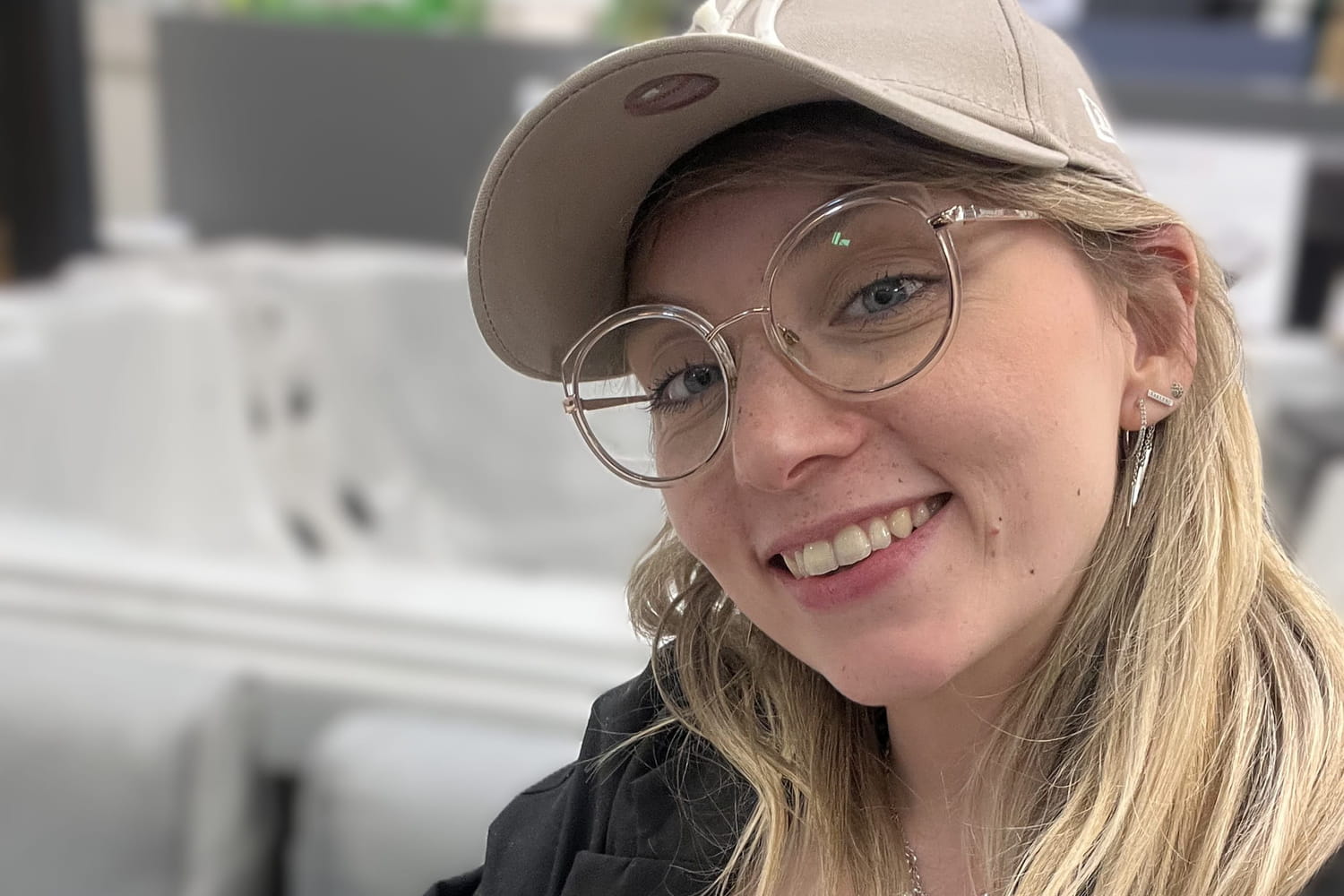
Eléa, 28 years old and a first-time mother, decided to donate her breast milk to help very premature babies. A journey of solidarity and profoundly important to her, which she agreed to tell us about.
“I am lucky to have a baby who was born healthy, but not everyone is.” At 28, Eléa became a mother for the first time, of a little boy who brings her joy every day. She made the choice to breastfeed, and intends to continue.”as long as possible”. But at the same time, she also feeds other newborns… whom she does not know. Very quickly, the young woman realized that she was producing a quantity of breast milk greater than her son’s daily needs. So she decided to donate it.
Few people know it, but it is possible to donate milk like you donate blood, with the same goal: saving lives. “Unfortunately milk donation is not publicized, but premature babies need breast milk and only breast milk. They do not all have the strength to suckle and therefore to establish lactation with their mother”explains Eléa. For her part, she discovered this possibility after being “came across a publication on the networks of an American woman who was selling her milk”. Shocked, she talks to her midwife, who mentions the existence of milk banks.
“They provide me with sterile containers in a vacuum bag. Then, I have labels to stick on them with the quantity, date and time of the draw. And then I freeze and the collectors contact me.”explains Eléa, who travels to a hospital near her home to drop off her baby bottles once a month. “This may seem restrictive for some, but as I pump my milk no matter what since I returned to work, it changes absolutely nothing in my routine. In any case, I would express my milk to stock up for my son. Knowing that I produce more than I consume, I might as well share it with the little babies who need it.”confides the young hairdresser.
Of course, the process is not that simple: you have to make sure that the donor is in good health. “It’s intended for babies who don’t even weigh one kilo. There’s no room for error!”explains Eléa, who therefore had to take some steps. First, a detailed questionnaire on her medical situation and that of her child, which then had to be approved and signed by a doctor. Then, during her first milk delivery, a blood test was taken for a serological test. The rest is taken care of by the lactarium: a sample is taken from each given bottle, which is then pasteurized and refrozen.
For Eléa, these small efforts are well worth it given the importance of her gesture: “It’s a gift that saves little lives that have barely started. (…) Even before, it was the kind of situation that could upset me, but as a mother, when you see babies who are not in good shape, it affects you even more because you are transferring. I tell myself that my baby could have been born like that. And if one day it happens to me, I would be very happy if there were other mothers to help. We don’t talk about it much, but we really lack milk donations for premature babies.”
Of course, not all women produce enough milk to feed both their child and those of others, or simply cannot manage these logistics, but Eléa hopes to convince other mothers to give it a try: “Of course, it’s an organization. I won’t hide the fact that it’s tiring, but I manage to do it even though I sometimes work more than 10 hours a day. Afterwards, if I have a second or third child, maybe I won’t be able to anymore because it’s a different pace. But I’m convinced of the benefits of breastfeeding. And donating is the same. As long as I can continue, I will.”