

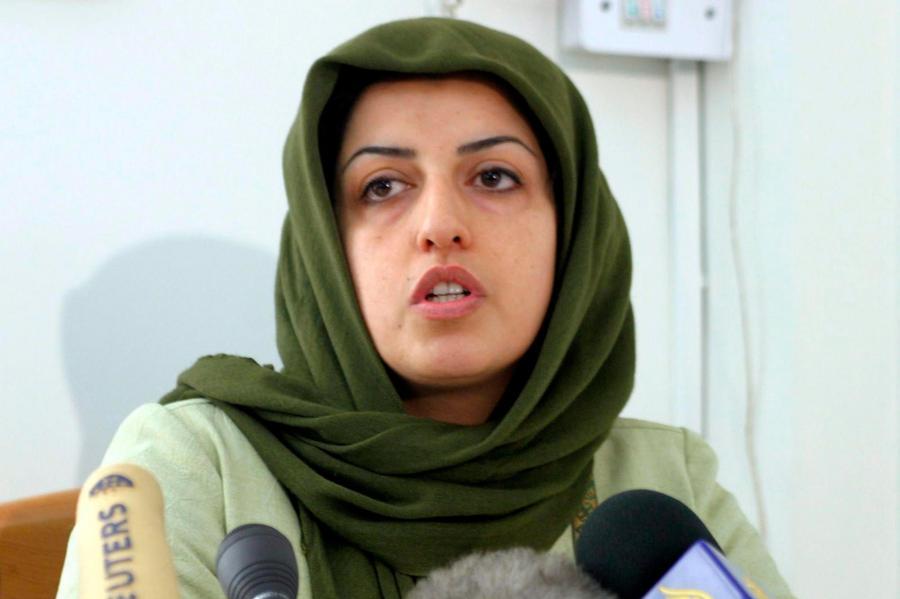
The winner of the 2023 Nobel Peace Prize, Narges Mohammadi, she was arrested again in Iran. The activist was participating in a commemoration ceremony in Mashhad, in the north-east of the country, when security forces intervened, stopping her and numerous other participants. Authorities transferred her to an undisclosed location.
Mohammadi was present at the function organized in memory of the lawyer Khosrow Alikordi, a highly esteemed figure in the country and committed to the defense of civil rights. His recent death has provoked outrage and calls for clarity from Iranian civil society. During the ceremony, according to various testimonies, the officers acted harshly: Along with Nobel, other well-known activists were also arrested, including Sepideh Gholian, Hasti Amiri, Pouran Nazemi and Alieh Motalebzadeh.
There were moments of tension and, according to some reports, even episodes of violence. Many of those present at the commemoration were loaded onto security forces vehicles and taken to a detention center linked to the intelligence services.


Narges Mohammadi, 53, is one of the most courageous and listened to voices in the Iranian human rights scene. For years it has denounced the repression of fundamental freedoms, gender discrimination, institutional violence and the extensive use of the death penalty. For her battles she was imprisoned several times and convicted in trials considered by international NGOs to lack fundamental guarantees.
Before this latest arrest, Mohammadi was on temporary release for health reasons after a long period in Evin prison, known for its harsh detention conditions.
During 2024 he had to face serious physical problems, including repeated heart attacks and surgery made necessary by a bone lesion initially suspected of being a tumor. The doctors had repeatedly expressed serious concern about a possible return to prison, deemed incompatible with his state of health.
Iranian authorities have, over the years, often denied Mohammadi access to adequate care and imposed heavy restrictions as a form of pressure, especially in relation to her opposition to compulsory veiling and her support for women’s protests.
This new arrest comes at a particularly delicate moment for Iran, marked by a climate of growing repression against activists, lawyers, journalists and ordinary citizens who demand more freedom and transparency. Alikordi’s death and the intervention of security forces during his commemoration further fuel the concerns of human rights organizations.
Narges Mohammadi remains an international symbol of civil courage and commitment to the dignity of the person. His story once again draws attention to the condition of those in Iran who continue to fight peacefully for justice and fundamental rights, often paying a very high price in terms of personal freedom and physical integrity.