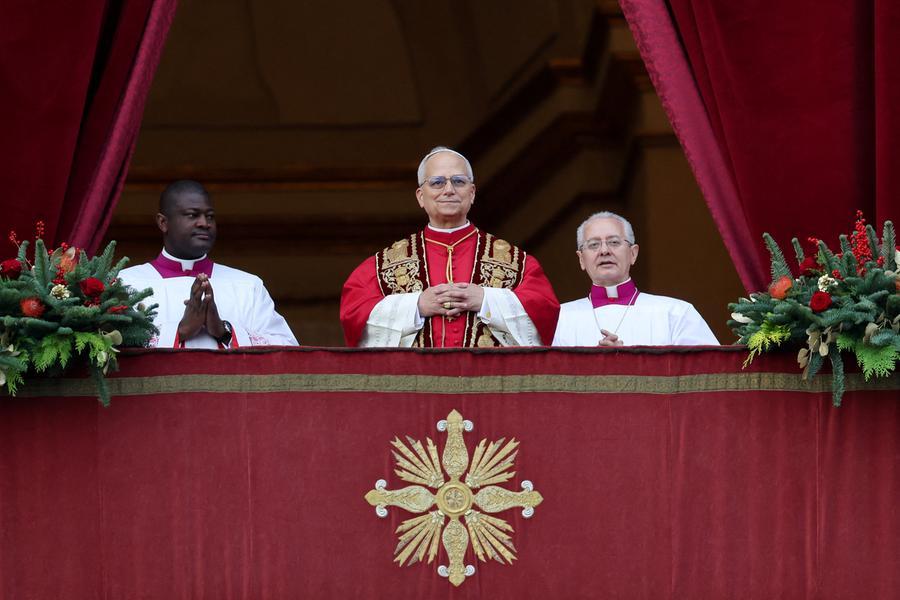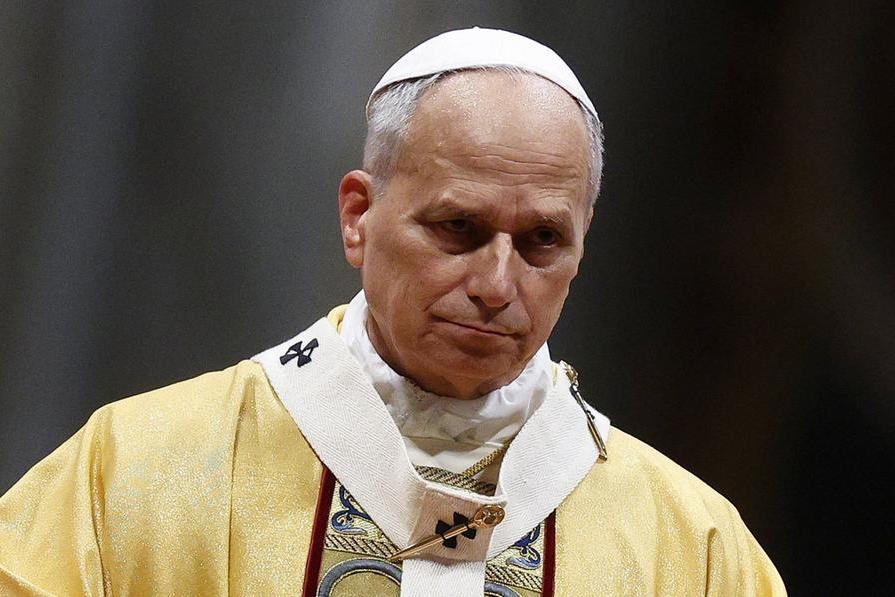
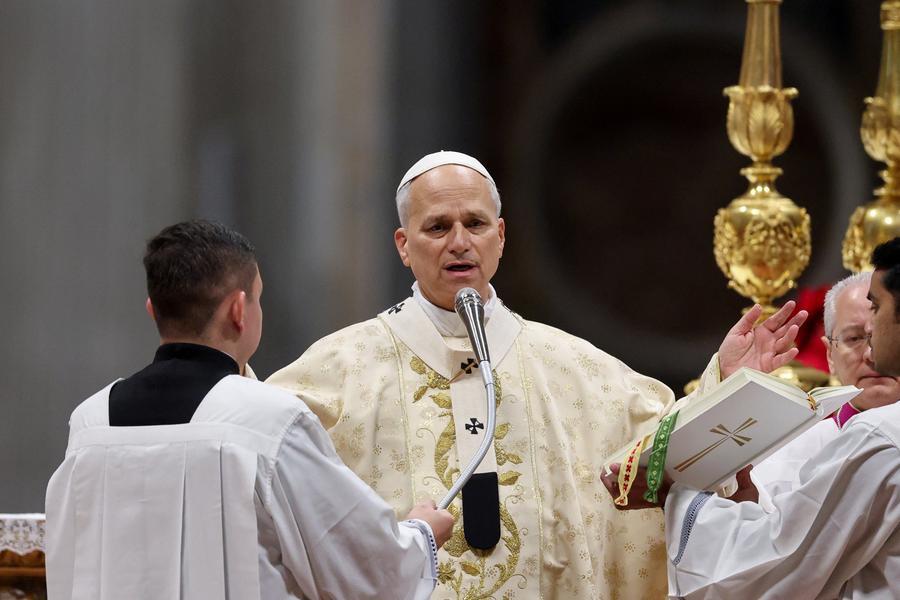




It is by welcoming fragility that peace is built. Pope Leo celebrates Christmas mass and, in a frost-beaten Rome, thinks about “tents in Gaza, exposed for weeks to the rain, wind and cold, and to those of many other refugees on every continent, or to the makeshift shelters of thousands of homeless people in our cities”. It recalls the fragility of the “flesh of defenseless populations, tested by many wars underway or concluded leaving rubble and open wounds”. Like the Child born in Bethlehem, “the minds and lives of young people forced into arms are fragile, and right at the front they feel the senselessness of what is asked of them and the lie that permeates the bombastic speeches of those who send them to their deaths”. But it is “when the fragility of others penetrates our hearts, when the pain of others shatters our granite certainties, then peace already begins”.
For this reason, despite the crises, the darkness that resists the light, we can shout the joy of Christmas. «“Burst together into songs of joy” shouts the messenger of peace to those who find themselves among the ruins of a city entirely to be rebuilt. Even if dusty and wounded, his feet are beautiful – writes the prophet Isaiah – because, through long and bumpy roads, they brought a happy announcement, in which everything is now reborn. It’s a new day!”. And we too participate in this turning point. This is why peace is already among us. «I leave you peace, I give you my peace. Not as the world gives it, I give it to you”, repeats the Pope with the evangelist John. These are the words that Jesus has just pronounced to the disciples whose feet he had washed, «messengers of peace who from then on would have to run across the world, without tiring, to reveal to everyone the “power to become children of God”».
“The Word became flesh”, we read in John. And «the “verb” is a word that acts. This is a characteristic of the Word of God: it is never without effect. Upon closer inspection, many of our words also produce effects, sometimes unwanted ones. Yes, words work. But here it is the surprise that the Christmas liturgy places before us: the Word of God appears and does not know how to speak, he comes to us like a newborn baby who only cries and cries”, explains Leone. One day he will learn the language of his people, but «now only his simple, fragile presence speaks. “Flesh” is the radical nakedness for which even the word is missing in Bethlehem and on Calvary; as a word they don’t have many brothers and sisters stripped of their dignity and reduced to silence. Human flesh asks for care, calls for acceptance and recognition, seeks hands capable of tenderness and minds willing to pay attention, desires good words.”
Of course, Jesus was not welcomed by his own, but “to those who welcomed him he gave the power to become children of God”. This is the paradoxical way “in which peace is already among us: God’s gift is engaging, seeks acceptance and activates dedication. It surprises us because it exposes itself to rejection, it enchants us because it snatches us from indifference. It is a true power to become children of God: a power that remains buried as long as we are detached from the crying of children and the fragility of the elderly, from the helpless silence of the victims and from the resigned melancholy of those who do evil that they do not want.”
He recalls the words of Pope Francis to say that «sometimes we feel the temptation to be Christians while maintaining a prudent distance from the wounds of the Lord. But Jesus wants us to touch human misery, to touch the suffering flesh of others. He waits for us to give up looking for those personal or community shelters that allow us to keep our distance from the crux of the human drama, so that we truly accept coming into contact with the concrete existence of others and know the strength of tenderness.”
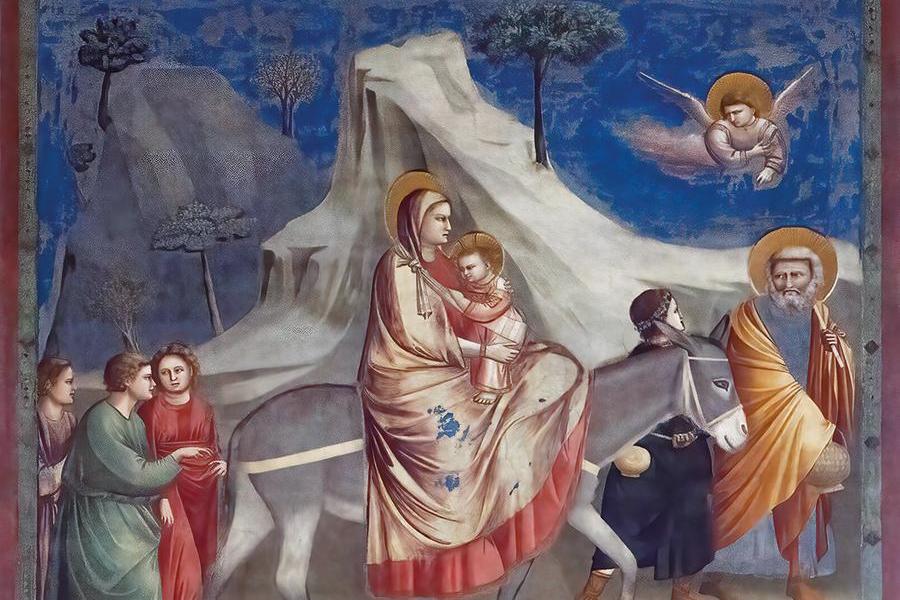
Only in this way can we build peace because this “is born from a cry welcomed, from a cry heard: it is born among ruins that invoke new solidarity, it is born from dreams and visions that, like prophecies, reverse the course of history”. This is the mystery that “challenges us from the nativity scenes we have built, opens our eyes to a world in which the Word still resonates” calling us to conversion.
Christmas, from this perspective, motivates an outgoing, “missionary” Church, pushing it along the paths that the Word of God has traced for it. We do not serve an overbearing word – they already resonate everywhere – but a presence that inspires good, knows its effectiveness, does not claim a monopoly on it.”
The path of mission, then, is «a path towards the other. In God every word is a spoken word, it is an invitation to conversation, a word that is never the same as itself. It is the renewal that the Second Vatican Council promoted and which we will see flourish only by walking together with all of humanity, never by separating ourselves from it. Worldly is the opposite: having oneself as the center.” And there will be peace «when our monologues are interrupted and, fertilized by listening, we fall to our knees in front of the naked flesh of others. The Virgin Mary is precisely in this the Mother of the Church, the Star of evangelization, the Queen of Peace. In her we understand that nothing is born from the exhibition of strength and everything is reborn from the silent power of accepted life».