





The morning after pill is an emergency contraception that helps prevent unwanted pregnancy after unprotected or poorly protected sexual intercourse. The earlier it is taken, the more effective it is.
The morning after pill is an emergency contraception, making it possible to avoid an unwanted pregnancy in the event of unprotected or poorly protected sexual intercourse. One in three French women have already taken the morning after pill according to a survey published by the online pharmacy Newpharma. How does it really work? Is its use unlimited? Is it effective? When to take it and how to know if its contraceptive effect has worked? Answers.
What are the names of morning after pills?
There are two types of morning after pill:
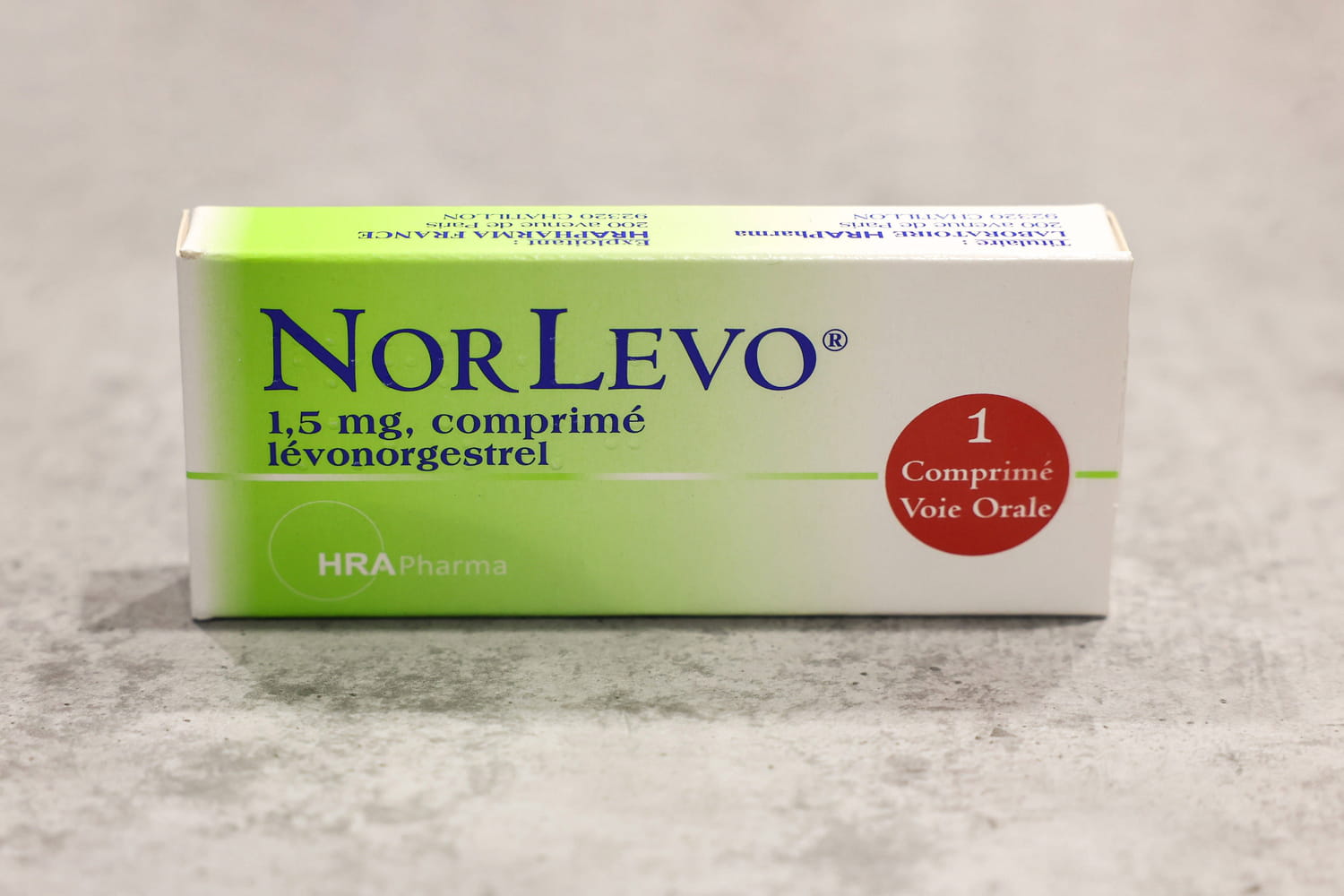
- with levonorgestrel : Levonorgestrel Biogaran®, Levonorgestrel Mylan®, NorLevo®. They should be taken within 72 hours (3 days) after unprotected or poorly protected sexual intercourse. Its effectiveness is maximum in the first 12 hours.
- with ulipristal acetate : EllaOne®. It should be taken for up to 120 hours (5 days) after unprotected or poorly protected sexual intercourse. It is commonly called “the day-after-morning pill”. Its maximum effectiveness is in the first 24 hours.
Principle: how does the morning after pill work?
The morning after pill works by delaying ovulation. This is a exceptional catch-up method allowing you to avoid an unwanted pregnancy in the event of unprotected or poorly protected sex. It is in no way an abortion pill: it cannot induce an abortion. It is supplied in the form of a single tablet, which should be taken as soon as possible after intercourse with a glass of water.
|
The extra advice: Emergency contraception can also be obtained through insertion of a copper intrauterine device (IUD) by a doctor or midwife within 5 days after intercourse. This is an alternative to the morning after pill. |
When to take the morning after pill?
The morning after pill should not replace regular contraception and should be used occasionally. This is an emergency contraceptive that can be taken at any time during the menstrual cycle in several situations:
- after a risky relationship without means of contraception
- if you took the pill with jet lag
- if you vomited or had diarrhea after taking the pill
- if you are not taking the pill and you have had a condom accident
- following a forgotten pill
Levonorgestrel-based morning-after pills should be taken within 72 hours of the risky report and ulipristal acetate-based pills should be taken within 5 days.
How effective is the morning after pill?
Although95% effective if you take it within 24 hours (its effectiveness drops to 85% on the second day and to 58% between 48 to 72 hours) after the risky intercourse, the morning after pill does not provide optimal protection. Only a pregnancy test will allow you to refute or not the doubt of a possible pregnancy. It is therefore advisable to take a pregnancy test within three weeks following the date of unprotected or poorly protected sex. Furthermore, even if you have taken the morning after pill, if you forget to take a pill, you should not not interrupt your usual contraception : take the forgotten tablet as soon as you remember and continue to take the tablets daily until the pack runs out. Remember to protect yourself with a condom until your next period. The morning after pill does not in any way protect against sexually transmitted infections: in the event of a risky relationship, get tested.
What are the side effects of the morning after pill?
Taking a morning after pill can cause side effects: nausea, vomiting, headache, feelings of fatigue or dizziness, abdominal pain, breast tension. Some may have disrupted, delayed periods or advanced, and bleeding. Rest assured, these effects are rather rare and they do not last very long. Please note: if you vomit within three hours of taking emergency contraception, you must take another tablet. Finally, certain preconceived ideas remain about the morning-after pill: Would using it too much make it sterile? No, the use of emergency contraception has no impact on fertility. However, if you take it too often, it can have an impact on your menstrual cycle and shift your periods, delay them or bring them forward.
What are the contraindications of the morning after pill?
Emergency contraception only delivers a progestin and in theory has no contraindications. However, in the event of a risk or history of ectopic pregnancy, you will need to be more vigilant and monitor the appearance of periods or symptoms (abnormal bleeding, abdominal pain, etc.). Obviously, the morning after pill is ineffective in pregnant women. For a long time, people thought that the morning after pill was less effective in overweight women (from 75-80 kg). In 2014, the European Medicines Agency considered that the available data were too limited to conclude with certainty that there would be a reduction in effectiveness in cases of high body mass. To date, the results remain debated: some experts continue to recommend taking body mass index into account when choosing the method, without a formal consensus having been established. Finally, EllaOne type pills are contraindicated for (rare) people allergic to ulipristal acetate.
How much does the morning after pill cost?
The morning after pill is available without a prescription in pharmacies and 100% reimbursed. It is also delivered free of charge to minors and adults in sexual health centers, in CeGIDD (Free Screening and Diagnostic Information Centers), by school nurses in middle and high schools and university health centers.
- Norlevo pill price: €4.28
- EllaOne pill price: €12.61
- Generic pill price: Levonorgestrel Biogaran: €4.28 / Levonorgestrel Zentiva: €3.50
On the health forum: discussions about the morning after pill
Things to remember about the morning after pill
→ Even if you have taken the morning after pill, you should not not interrupt your usual contraception
→ Take the forgotten pill tablet as soon as you remember and continue taking the tablets daily until the pack runs out
→ Remember to protect yourself with a condom until your next period.
→ The morning after pill does not in any way protect against sexually transmitted infections: in the event of a risky relationship, get tested.