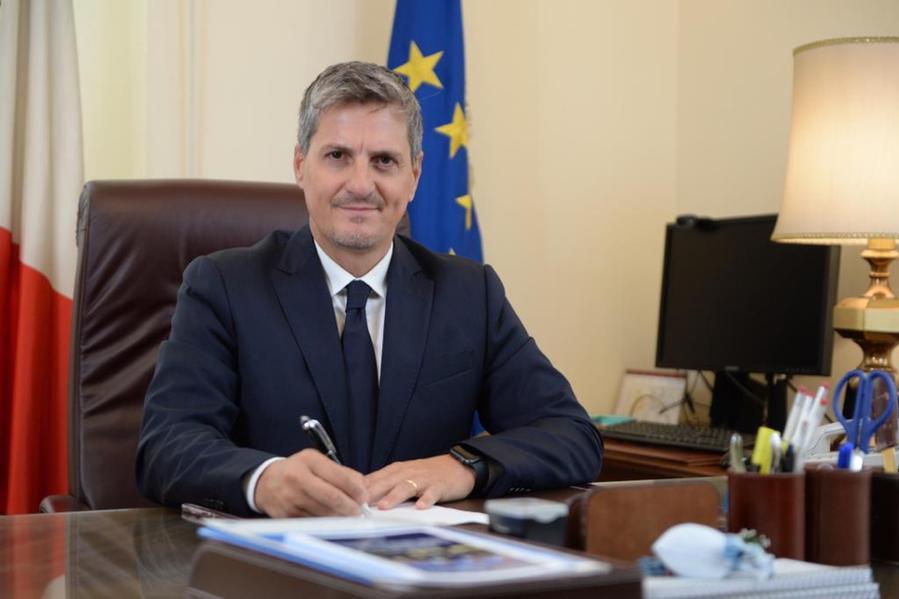





Information, democracy and digital challenge. In a time in which fake news, artificial intelligence and the economic crisis are putting the media system under pressure, the Government claims a line of support for professional information and pluralism. With the Undersecretary for Publishing Alberto Barachini we addressed the central issues: the value of journalism as a barrier to disinformation, the future of public contributions, the impact of AI and the profound link between quality information and democratic participation, a role that the European Union can and must play.
Undersecretary, you often repeat that professional information must be supported. Define it.
«We are living in a phase of great information confusion: the citizen is immersed in a “cloud” of contents in which it becomes increasingly difficult to distinguish what is verified from what is not. Professional journalism, with the verification of sources and the personal responsibility of the journalist, is the main barrier to fake news and deepfakes. Supporting information therefore means defending this garrison.”
What is the risk if this doesn’t happen?
«The consumption of trust. False or unverified information undermines the overall credibility of the system and distances citizens from professional information. If we lose trust, we also lose interest and, in the long run, democratic participation.”
What tools have you put in place to counter this situation?
«We have introduced support criteria that enhance journalistic work, such as the so-called “journalist value”: more journalists means more professional information. Furthermore, we have launched a Commission on the impact of artificial intelligence in the information sector, to understand its risks and opportunities.”

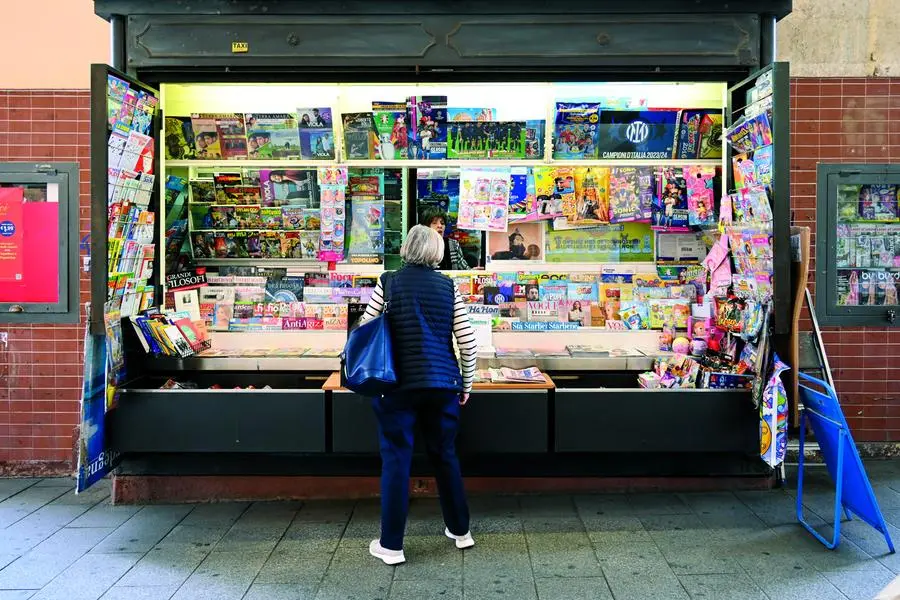
Above, a newspaper kiosk
(istock)
Is artificial intelligence already changing the way we get information?
“Yes. Today many citizens stop at the syntheses generated by AI without going to the sources. Let us never forget that information is an expensive good to produce, while disinformation costs very little.”
So is it a cultural issue?
“Absolutely. Defending a pluralist information system also means defending a country’s ability to tell about itself. Without information rooted in the territories, we risk that the narrative of Italy will be entrusted to others.”
A quality newspaper must be available to the reader, how do you combat the closure of newsstands?
«We supported distribution, especially in remote areas, and helped keep key community outlets open. It is very complex to affect the decline in sales, but we can slow down the closures and guarantee coverage in the area. Newsstands are not just places of sale, but civil aids, especially for the older segments of the population.”
Does the value of local information therefore remain central?
«Local information is the first contact between citizens and the news, it is what builds antibodies against disinformation. It talks about communities, gives a face to journalism and makes those who inform recognizable. Without this connective tissue we lose not only information, but cultural identity.”
Can digital replace paper?
«No, at least not completely. The most loyal readers are over 55 and often prefer paper. Furthermore, the digital publishing market alone cannot support the sector. The map remains central in the public debate.”
What future do you see for direct contributions to publishing?
«We consider them an essential tool for pluralism. We are working on an update to the regulation that rewards journalistic work and presence in the area, maintaining levels of support and enhancing the most active and deep-rooted realities.”

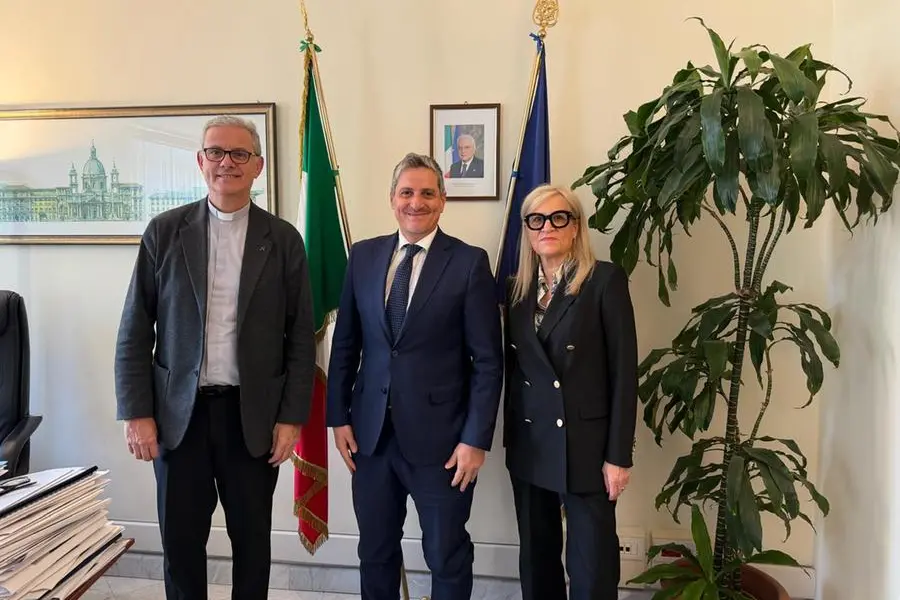
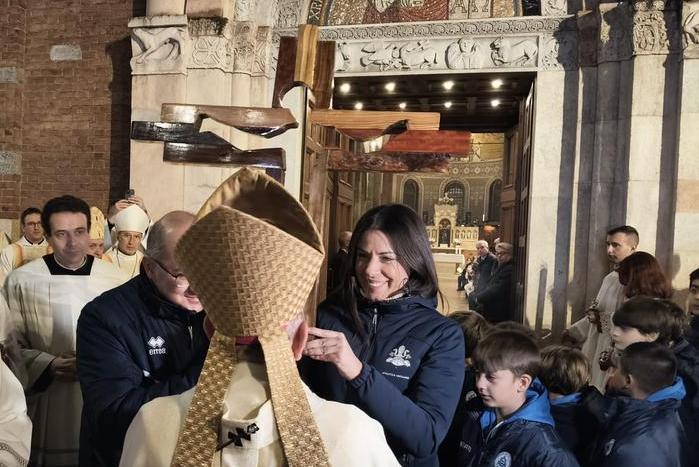
From left: Don Stefano Stimamiglio, 60 years old, director of Christian familyundersecretary Barachini and Chiara Genisio, 64, vice-president of the FISC (Italian Federation of Catholic Weeklies)
What role can Europe play in this match?
«A decisive role. In Europe, there is a growing awareness that without public intervention, quality information risks not withstanding the impact of the large digital players. We need common rules and forms of contribution from platforms that redistribute the value produced by journalistic content. I also believe that Europe should think about a real Pnrr for publishing and information, a European fund dedicated to supporting pluralism, innovation and employment in individual countries. The objective is to move from the logic of sanctions to that of structural agreements.”
What is the relationship between information and democracy?
«Very tight. Where quality information declines, democratic participation also declines. An informed citizen is a citizen who participates.”
How to involve the new generations in this journey?
«School is a fundamental step. We have made resources available so that institutions can subscribe to newspapers and periodicals, but these measures are still little used. However, when the information is told to children with passion, the interest is very high. Informing also means training aware citizens.”
One last question: what do you answer to the Cassandras who argue about the end of printed paper?
«I’ve been hearing this for thirty years. Yet books and newspapers continue to be read. Paper remains an instrument of depth and attention. As long as there are citizens who want to understand, paper will have a future.”