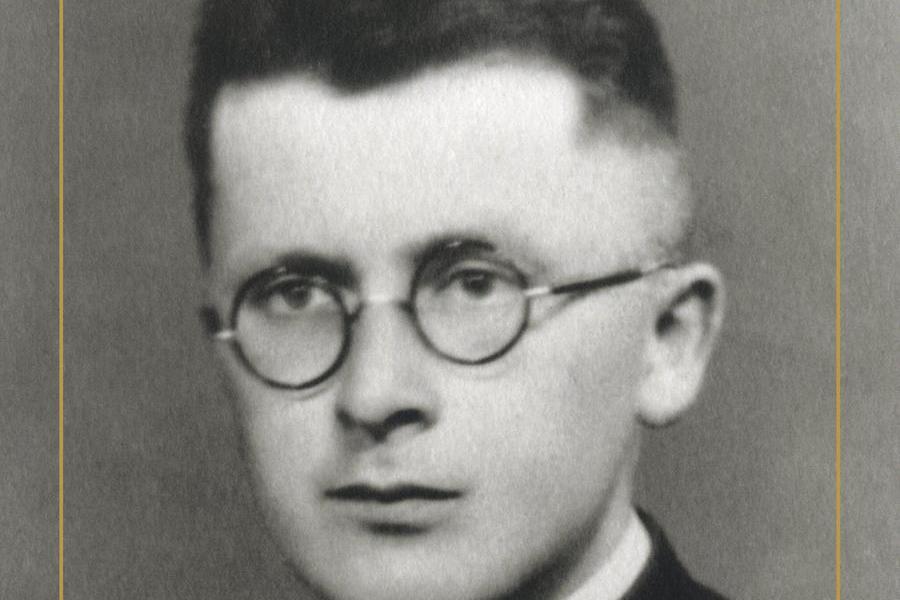





Finally light on the case that surrounded the tragic end of Francesco Bonifacio (1912-1946)blessed of the first half of the last century. A figure very often forgotten both by history and by the collective conscience. Thank you to the book by Marco Ravalico anyone will be able to learn about the life, disappearance and martyrdom of the young priest from Istria, embellished with the preface by Monsignor Enrico Trevisi, bishop of Trieste and the introduction by the historian Roberto Spazzali.

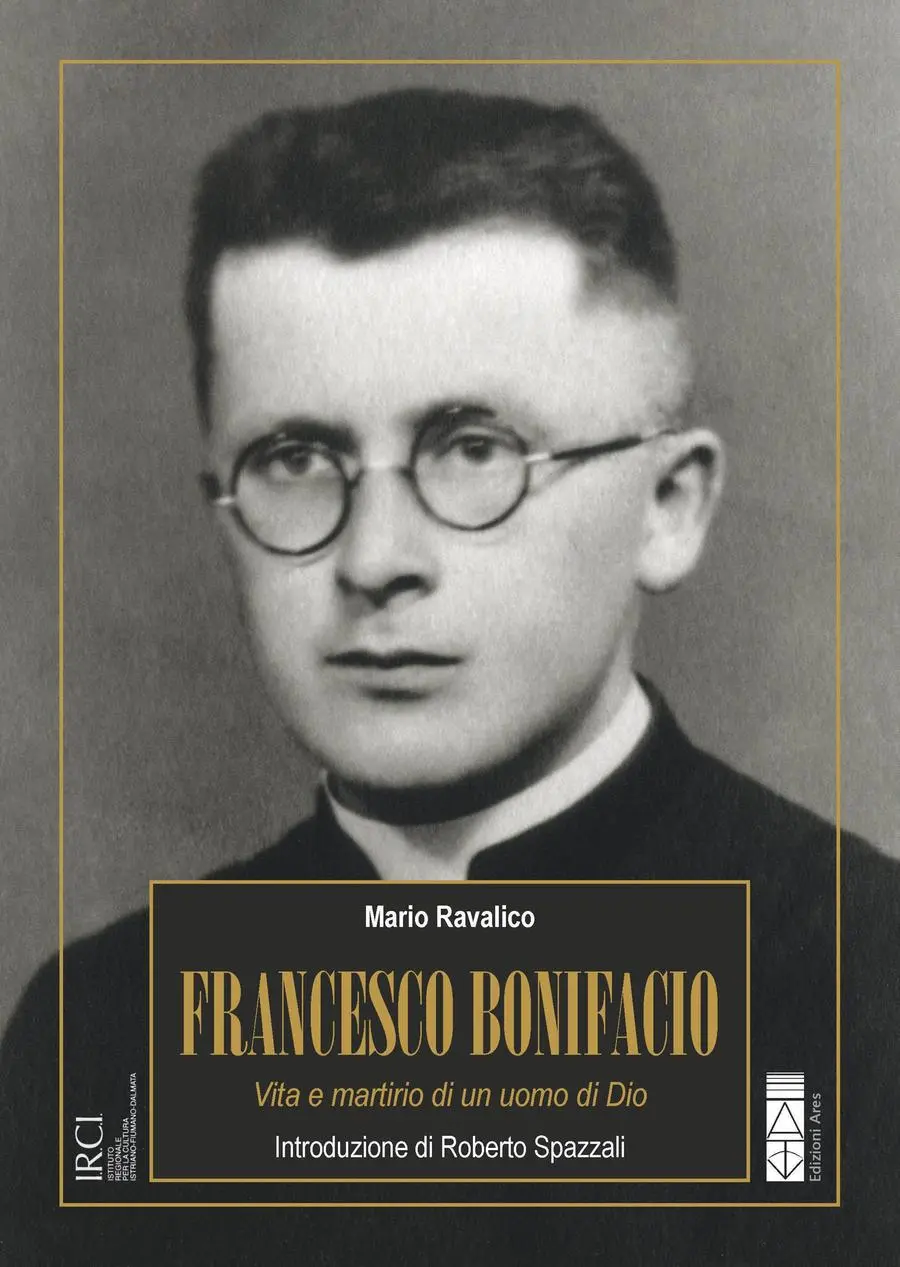
The latest news about Don Bonifacio is that he was taken thereSeptember 11, 1946 by a group of the People’s Guards, present in Istria at the time of the Yugoslavian occupation. Don Francesco was mysteriously made to disappear while walking along a country road and from there there was never any news about him again. His name was erected as a symbol of an entire generation who was persecuted for their religious orientation.
The book was born later years of research and inspections by the author among archives, documents and memories. A job that proved to be long and complex, especially due to the silence that pervaded the community of Crassizathe last place where Don Bonifacio had lived. «… I don’t know!… I don’t remember!… it was bad times!…» (… I don’t know!… I don’t remember!… they were bad times!), the writer was heard repeating several times.


The President of the Republic Sergio Mattarella with the President of the Senate La Russa and Prime Minister Giorgia Meloni at Palazzo Montecitorio on the occasion of the Celebration of the Day of Remembrance of the Foibe and the Julian-Dalmatian Exodus
(HANDLE)
The investigation of Ravalico However, it is not limited to the news of the kidnapping, but delves into the profound reasons for an oblivion that lasted decades. Why has a martyrdom recognized by the Church met with indifference from the civil authorities and even from some ecclesiastical circles for so long? Through this moral and historical analysis, the volume turns the spotlight back on one of the darkest pages of the twentieth century: that systematic persecution implemented by the Yugoslav communist regime which, in the summer of 1946, hit the local clergy hard, forcing many to flee and leading others, like Don Bonifacio, to the ultimate sacrifice.
Today, eighty years later, the author’s research work seems to have found a new, fundamental ally. If in the past the wall of silence seemed insurmountable, today the investigations continue also thanks to the support of the Croatian government. In line with a 2011 law dedicated to the victims of the regime, efforts are underway to identify and dignify the remains of the disappeared. That of Mario Ravalico is thus configured not only as a tribute to a blessed, but as an act of historical justice necessary to restore peace to a land and a memory trampled on for too long.