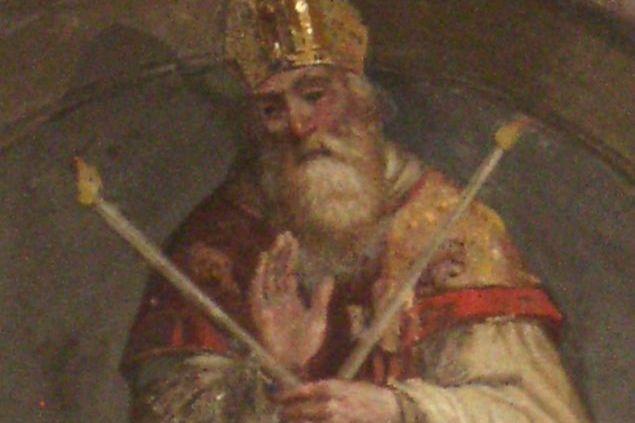





Little is known about the life of San Biagio. Biographical information on the Saint can be found in the hagiography of Camillo Tutini, who collected numerous testimonies handed down orally. We know what it was doctor and bishop of Sebaste in Armenia and that his martyrdom occurred during the persecutions of Christians, around 316, during the conflicts between the emperors Constantine (West) and Licinus (East).
Captured by the Romans he was beaten and flayed alive with iron combsthose who were used to card wool, and finally beheaded for refusing to renounce their faith in Christ. He is a Saint known and venerated both in the West and in the East. His cult is widespread in both the Catholic and Orthodox Churches. In his hometown, where he carried out his episcopal ministry, it is said that he worked numerous miracles, among others we remember the one for which he is known, that is, the healing, which occurred during the period of his imprisonment, of a boy from a fish bone stuck in his trachea. Even today, in fact, the Saint is invoked for sore throats.
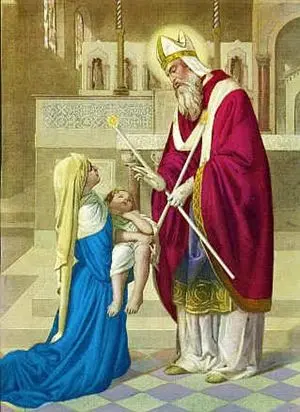
Furthermore, San Biagio is part of the fourteen so-called helper saints, that is, those saints invoked for the healing of particular ailments. Venerated in many Italian cities and towns, of which he is also the patron saint of many, he is celebrated on February 3rd in almost the entire Italian peninsula. It is tradition to introduce, in the middle of the liturgical celebration, a special blessing on the “throats” of the faithfuli, given by the parish priest by crossing two candles (in ancient times blessed oil was used). Also interesting are some popular traditions handed down over time on the occasion of the celebrations of the Saint.

Popular traditions, from Milan’s panetùn to cavadduzzi
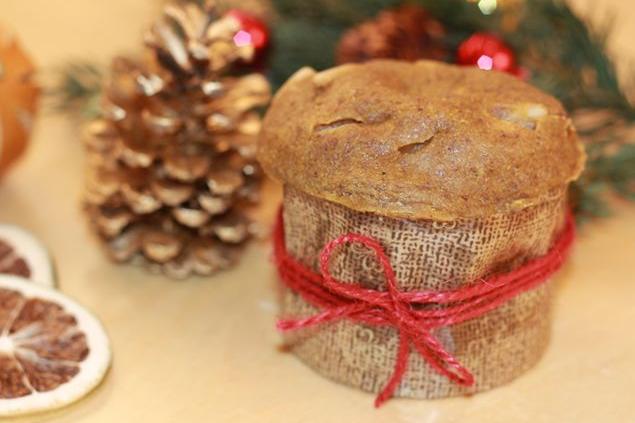
Who uses, as in Milan, celebrate with the family by eating the remains of panettone left over specifically for Christmas, and those who prepare typical sweets with particular shapes, which remember the saint, blessed by the parish priest and then distributed to the faithful.
TO Lanzaraa hamlet in the province of Salerno, for example, it is tradition to eat the famous “San Biagio meatball”. In the city of Salemi, however, it is said that in 1542 the Saint saved the population from a serious famine, caused by an invasion of locusts that destroyed the crops in the countryside, interceding and answering the prayers of the people who invoked his help (Saint Biagio, in fact, as well as being the protector of the “evils of the gluttony” is also the protector of the harvest); from that day to Salemievery year on February 3rd, the Saint is celebrated by preparing the so-called “cavadduzzi”, literally “grasshoppers”, to remember the miracle, and the “caddureddi” (whose shape represents the “throat”), which are small breads prepared with water and flour, blessed by the parish priest and then distributed to the faithful.
Furthermore, since 2008, again in Salemi, a spectacular representation of the “miracle of the locusts” has been organised, with the collaboration of all the schools and associations of the city, which ends with the arrival at the church of the Saint to place the gifts and have the “throats” blessed.

An image of San Biagio
The relics in Maratea
The relics of San Biagio are kept in the Basilica of Marateaa city of which he is the patron saint: they arrived there in 723 inside a marble urn with a load that was supposed to reach Rome from Sebaste, a journey that was then interrupted in Maratea, the only city in Basilicata that overlooks the Tyrrhenian Sea, due to a storm. It is said that the walls of the Basilica, and later also the statue of him erected in 1963 on top of the Basilica, oozed a kind of yellowish liquid which the faithful collected and used to treat the sick. Pope Pius IV in 1563, then bishop, he recognized this liquid as “heavenly manna”. It is no coincidence that in Maratea the Saint takes on a particular significance and is celebrated twice a year; on February 3, as usual, and on day of the anniversary of the translation of the relicswhere the celebrations last 8 days, from the first Saturday in May until the second Sunday of the month.