



To fight against insomnia, we reprogram our sleep.
Sleep is the key to health. It is a vital necessity that we too often sacrifice. For an adult, specialists agree on an ideal duration of between 7 and 9 hours per night to allow complete cognitive recovery. However, beyond the simple rest time, it is the structure of the cycles which determines the quality of awakening. Chronic lack of sleep impacts not only mood, but also the immune system and heart health, fueling what some experts are now calling the “epidemic of the century.”
It is in this niche of “sleep tourism” that a French establishment has imagined a specific offer, transforming the classic overnight stay into a biological regulation protocol to relearn how to sleep better. Their strategy is based on the idea that sleep is prepared at the end of the day by reducing stimuli. The process begins on the plate: dinner consists of foods rich in tryptophan (lentils, brown rice, parmesan, nuts, etc.) to promote the natural synthesis of melatonin. In the bedroom, engineering takes over with optimal acoustic insulation and total darkness aimed at stabilizing the heart rate. To support the transition to slow brain waves conducive to restful sleep, sophrology tools replace the usual screens, while the use of essential oils seeks to lower the level of cortisol, the stress hormone.
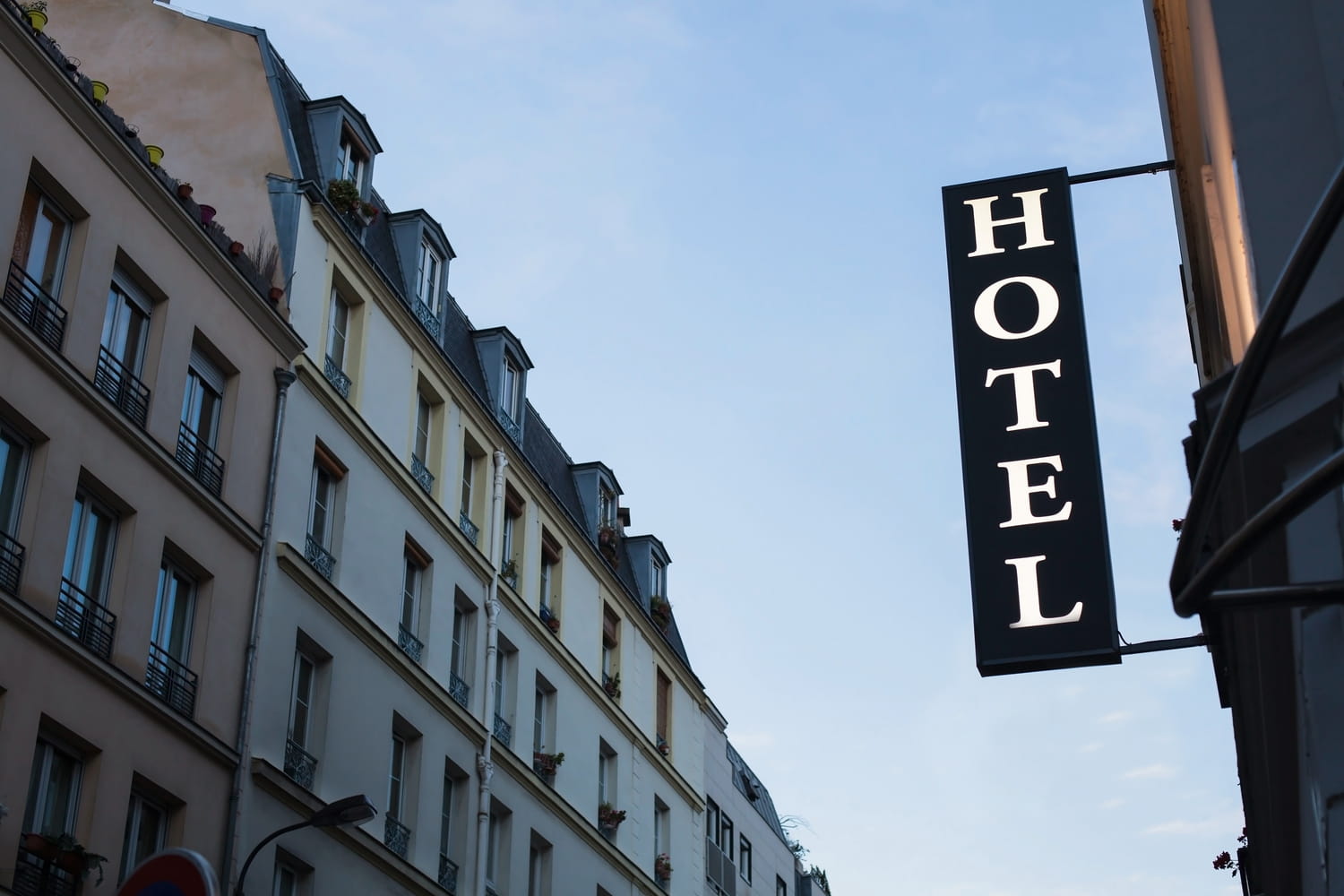
The stated objective is ambitious: to allow customers to reach, without interruption, the threshold of 9 to 10 hours of rest. This experience is offered by the Royal Champagne Hotel & Spa, located in Champillon, in Marne, near the city of Reims. If the framework and technicality of the “Royal Sleep” program are sophisticated, they are aimed at a niche clientele: entry prices are around 850 euros per night. For those looking to treat sleep disorders without spending that much money, other options exist. The Thermes d’Ussat-les-Bains, in Ariège, use naturally sedative waters as part of six-day cures, with a much more moderate accommodation cost (around 600 euros per week). Thalassotherapy centers in Brittany or Normandy now include stress management workshops and marine treatments dedicated to sleep for intermediate budgets, around 300 euros per night.
If this type of stay offers an ideal setting to disconnect, the essential part of these protocols is based on biological principles that it is entirely possible to reproduce at home. As in large hotels, darkness must be absolute so as not to block melatonin secretion. It is recommended to remove any light diode and maintain an ideal temperature around 18°C.
Stop exposure to blue light (screens) and intense intellectual activities at least 2 hours before bedtime to allow the brain to slow down. Favor foods such as bananas, almonds or cottage cheese at dinner, which help in the production of sleep hormones, while avoiding heavy proteins and alcohol. Finally, regularity is essential because the body is a watchmaker. Going to bed and getting up at set times, even on weekends, remains the most effective advice for stabilizing your cycles in the long term.