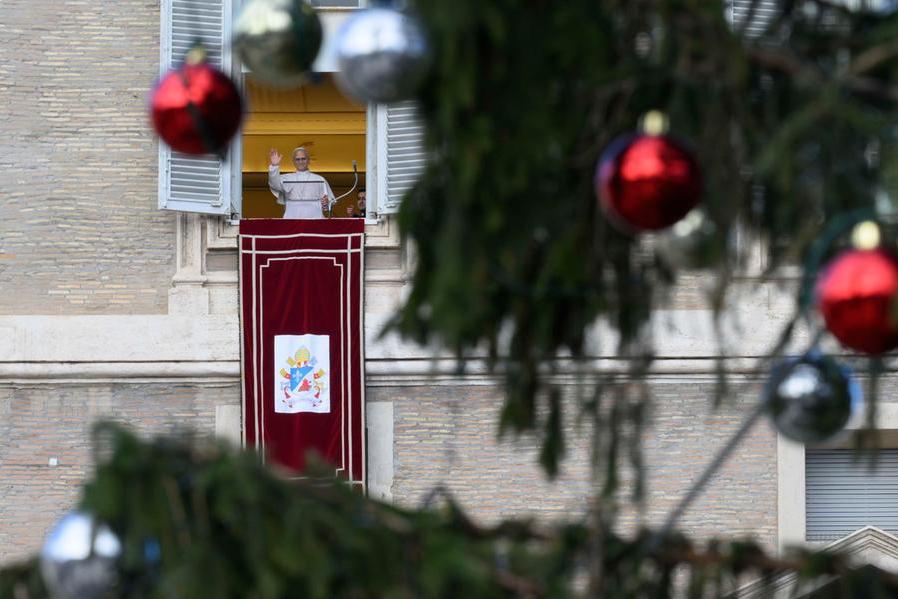

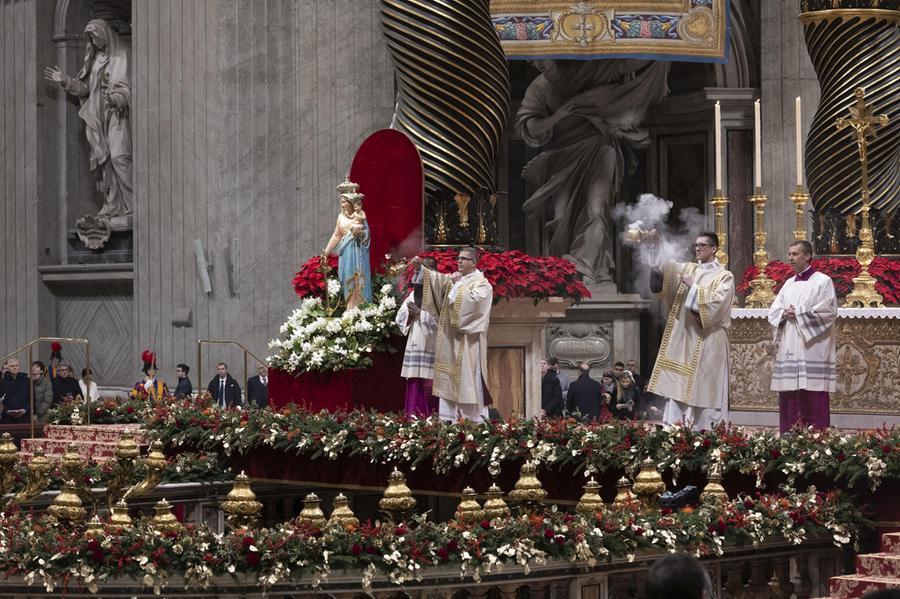




The Te Deum (extensively Te Deum laudamus“God we praise you”) is a Christian hymn of thanksgiving that is traditionally sung on the evening of December 31st, to give thanks for the year just passed during the First Vespers of the solemnity of Mary, Mother of God (which is celebrated on January 1st) or on other particular solemn occasions such as in the Sistine Chapel following the election of the new pontiff, before the Conclave is dissolved or at the conclusion of a Council.

Who wrote it?
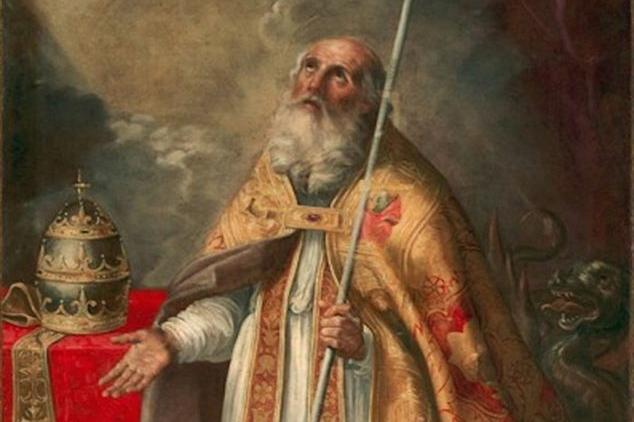
There are several authors who dispute the authorship of the text. Traditionally it was attributed to Saint Cyprian of Carthagetoday specialists attribute the final drafting to Nicetas, bishop of Remesiana (Lower Dacia) at the end of the 4th century. According to a legend (dating back at the latest to an 11th century Milanese chronicle falsely attributed to bishop Dacio) the Te Deum it was intoned by Saint Ambrose and Saint Augustine on the day of the latter’s baptism, which took place in Milan in 386, which is why it was also called the “Ambrosian hymn”.
Who set it to music?
The Te Deum it has been set to music by various authors: Giovanni Pierluigi da Palestrina, de Victoria, Händel, Mendelssohn, Mozart, Haydn and Verdi.
Always the music of Te Deum it has been used on several occasions: the prelude to Charpentier’s Te Deum H. 146 is used as the starting and ending theme for Eurovision broadcasts and is also played at the end of all Nomadi concerts. The Te Deum it is also sung by the choir in the finale of the first act of the Tosca by Giacomo Puccini.
Some verses from the sacred text were used for the film’s soundtrack The Hunchback of Notre Dame of Disney, in particular in the piece “Rifugio (Sanctuary!)”, which accompanies the scene in which Frollo is about to kill Esmeralda on the scaffold and the scenes of the assault on the cathedral.
What is the content?
The hymn can be divided into three parts:
-The first, until Paraclitum Spiritumis a Trinitarian praise addressed to the Father. Literarily it is very similar to a Eucharistic anaphora, containing the triple Sanctus.
-The second part, from Tu rex gloriæ to blood redeemersis a praise to Christ the Redeemer.
-The last one, from Salvum facis a sequel of supplications and verses taken from the book of psalms.
It is usually sung by alternating choirs: the presbyter or celebrant and the people.