




Mc 16,9-15 – Saturday between the Octave of Easter
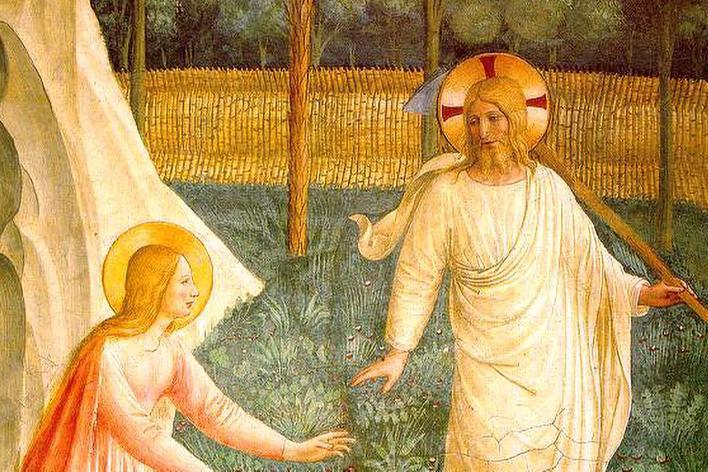
First Mary of Magdala and then the disciples of Emmaus announce to the others that Jesus has risen, but they are not believed. Mourning, crying, closure prevail. It’s as if the pain is stronger than hope. This highlights a decisive point: the fundamental problem, for the disciples then and for us today, it is faith. We often think that the crises of the Church or of our personal lives depend on organisation, strategies and ideas. But the real issue always remains the same: believing.
The evangelist Mark underlines this clearly: «In the end he also appeared to the Eleven while they were at table and rebuked them for their unbelief and hardness of heart, because they had not believed those who had seen him risen». This is not a superficial reproach. Jesus touches the heart of the problem: unbelief and hardness of heart. It’s not a lack of information, but internal resistance. It’s not the absence of signs, but an inability to trust. And this experience is not far from ours. How many times we too are in disbelief. How many times do we feel like we can’t fully believe. We would like to have a more solid, more certain, more evident faith. But faith is not something that is imposed by force. It is not violence done to reason or to the heart. It’s a proposal. It comes into our life and asks for a free response.
The Gospel, then, does not accuse us to make us feel guilty, but invites us to recognize where we are. To take our struggle to believe seriously, without hiding it. Because a real journey can begin right there: not that of those who delude themselves into thinking they already have everything clearbut that of those who, even amidst doubts and resistance, choose to trust a little more every day. When we feel a crisis of faith, we simply pray like this: “Lord, increase my faith.”
Saturday 11 April 2026 – (Saturday between the Octave of Easter)