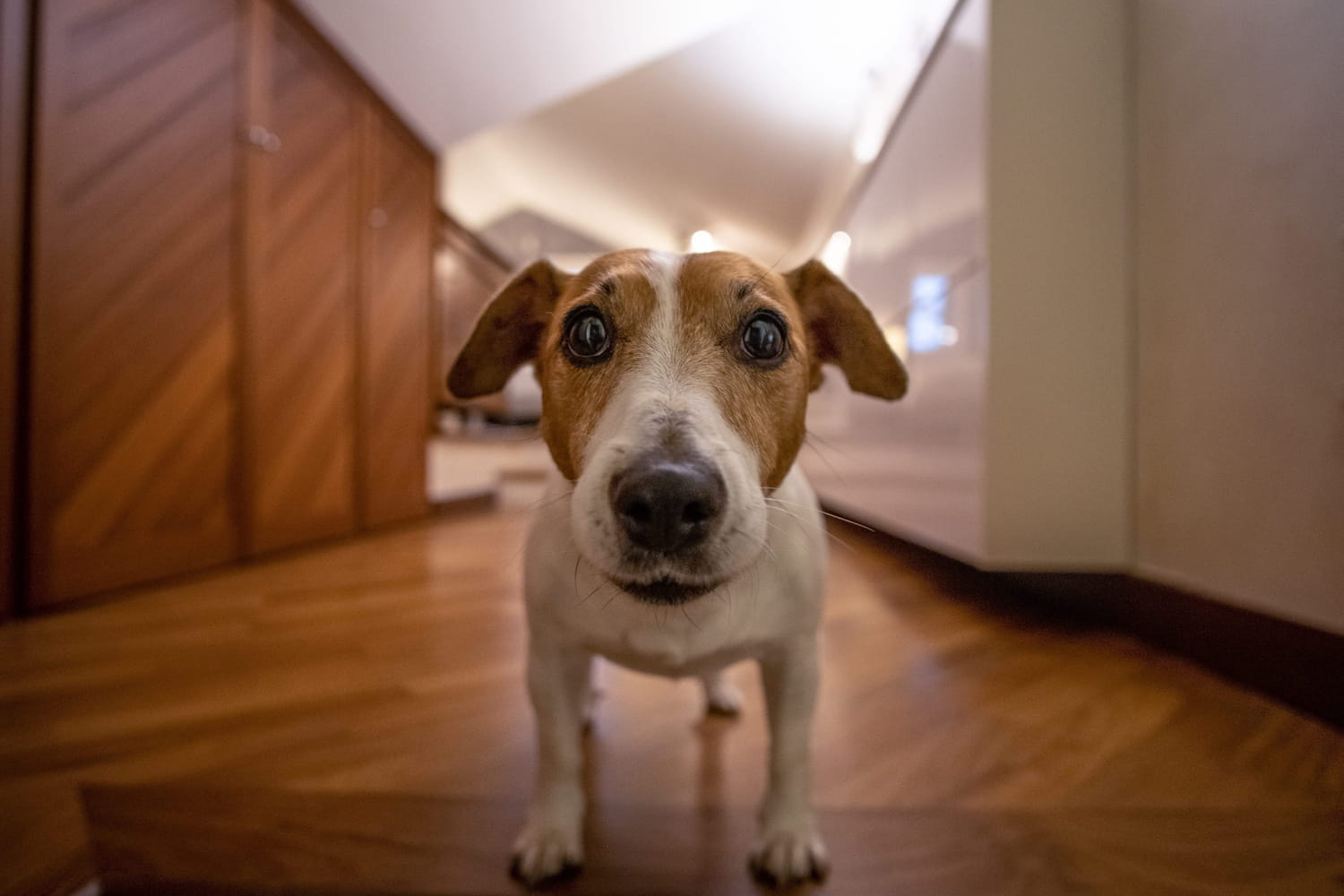




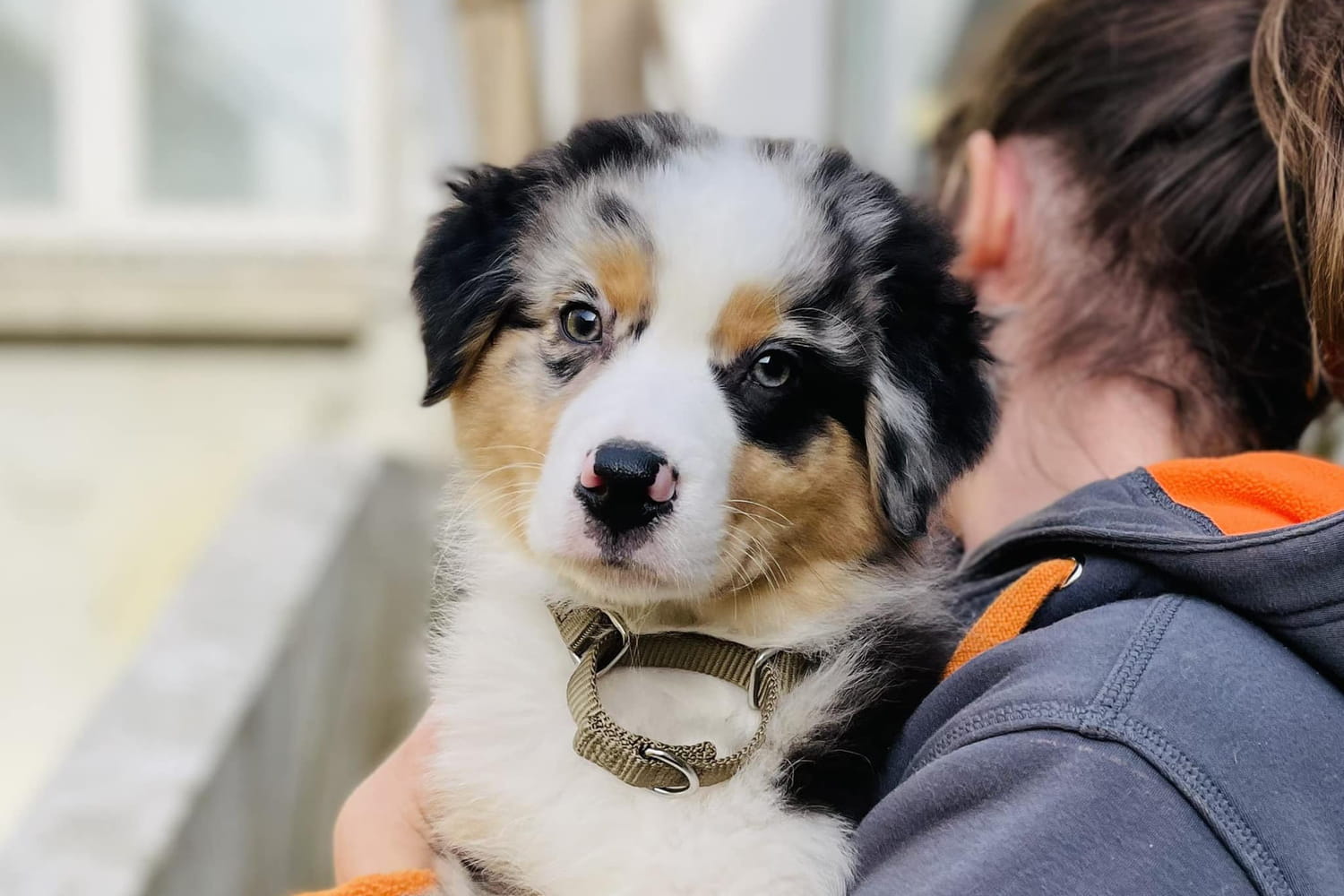
Adopting a dog or a cat like buying a new lamp is one of the scourges against which the Society for the Protection of Animals is fighting at the legislative level. Jacques-Charles Fombonne, president of the association, explains to us what his fight is currently focused on.
No, caring for an animal is not easy. Some even say that it is “more difficult than raising a child” ! Whatever the case, associations and other experts have always hammered it home: adopting a dog or a cat (or any other pet) is a real commitment, which should not be taken lightly. First of all, it is time that must be given to him for his physical and emotional well-being, it is money that must be spent to feed him, care for him or have him looked after… and sometimes sacrifices that must be made. However, between 200,000 and 300,000 animals are abandoned each year in France, the vast majority of which during the summer, when these little balls of fur become an obstacle for vacationers.
Faced with this lack of accountability on the part of owners, the SPA does not just take in the animals left behind. She also fights against compulsive adoptions, which too often lead to abuse or abandonment. A law, passed in 2021 and entered into force on 1er January 2024, now prohibits the sale of dogs and cats in pet stores. But for Jacques-Charles Fombonne, president of the association, this is only the beginning. From now on, the fight is focused on another scourge, “even worse” in his eyes: the puppy and kitten salons, where “Animals are sold as objects, as marketing products, despite all good information”.
In these trade shows that we all know, the exhibitors play on emotion rather than reason. It’s hard to resist these adorable little faces that are just a few weeks old… but a large number of first-time adopters don’t really understand the constraints related to raising an animal. As a result, the figures are more than alarming: 47.7% of animals purchased in these salons are abandoned or mistreated in the months that follow. That’s almost one in two, according to a study by the Argos 42 association, which also estimates that around 35% of puppies sold in salons die prematurely shortly after their acquisition.
Jacques-Charles Fombonne confirms this to us: “There are people who bring the dog back to us on Monday, after having taken it on Saturday at a dog fair.” In addition to the lack of preparation of new owners, there is also a lack of information concerning the specific needs of a breed for example. “A few years ago, Brigitte Bardot made a hidden camera video. They had chosen a Cane Corso, which weighs 60 kilos as an adult. The accomplice played ignorance, and the seller confirmed to him that he was not going to grow much, that he was not barking and that he was not eating much. The people left with the dog but quickly realized that we had been deceived. And there they were. bring them back to the SPA”deplores the president of the association.
However, since 1er October 2022, a certificate of commitment and knowledge is mandatory for any adoption of a pet. A document which aims to “avoid impulse purchases” and to “make buyers responsible for their needs” of the animal, as explained on the website of the Ministry of Agriculture. However, impulsive adoptions still exist, particularly because some exhibitors at trade shows are not careful at this level. In fact, the certificate must be signed at least 7 days before acquiring the animal in order to allow time for reflection, which leads to abuses. “LPeople who are going to adopt a dog on Saturday have not necessarily thought about the certificate, so the sellers will deliberately backdate it”explains Jacques-Charles Fombonne. At a breeder in good standing, the adopter is informed that he will have to come back later with the papers. But in a show that only lasts two days, some prefer to skip it.
With the support of the SPA, a first bill “aimed at prohibiting the sale of dogs and cats at fairs and exhibitions” was tabled in the National Assembly on July 11, 2025. A second was tabled again on March 3, 2026. Both recall that the conditions present during these events lead to “extreme stress, premature weaning, virus breeding grounds or lack of appropriate care” to animals of this age. Practices that “also penalize buyers” who are thinking of adopting a healthy companion and who “find themselves faced with the rapid loss of their animal or sometimes colossal veterinary costs in an attempt to save it.. In short, banning the sale of dogs and cats in these shows aims to protect the animals from suffering as much as the families of the “commercial deception”.