





It’s hard to do without it. A large Australian study has just revealed the real impact of caffeine on bones after the age of 70. Between preconceived ideas and proven risks, here is the precise threshold not to be crossed.
Coffee is more than just a drink: it’s a social ritual and a “kick-start” to start the day. In France, nearly 8 out of 10 people consume it almost every day. However, coffee is often singled out. If we attribute protective virtues to it for the heart or the brain, a shadow has long loomed over its effects on bones. At a time when osteoporosis is becoming a major health issue with age, should you really put away your coffee maker after age 70?
To find out, Australian researchers followed nearly 10,000 senior women with an average age of 73 for a decade and measured the bone density of their femurs and lumbar vertebrae. The objective was to find out whether coffee actually eats away at mineral capital over time. They then compared these results with the participants’ daily coffee consumption. They noticed that caffeine had a slight “leak” effect. It increases the elimination of calcium through the urine and slightly reduces its absorption in the intestine. As long as you have good food intake, the body compensates. But at high doses, the loss becomes difficult to make up for a senior’s body.
So, at what quantity does coffee become bad for bones? The study published in the journal Nutrients provides a precise answer. It’s all about balance. Coffee has no real negative impact as long as you remain “reasonable”, in other words if you drink 2 to 4 cups per day. On the other hand, a shift occurs from 5 cups per day: we observe a more marked reduction in bone density, increasing the risk of fractures. This is therefore the threshold not to be exceeded after 70 years.
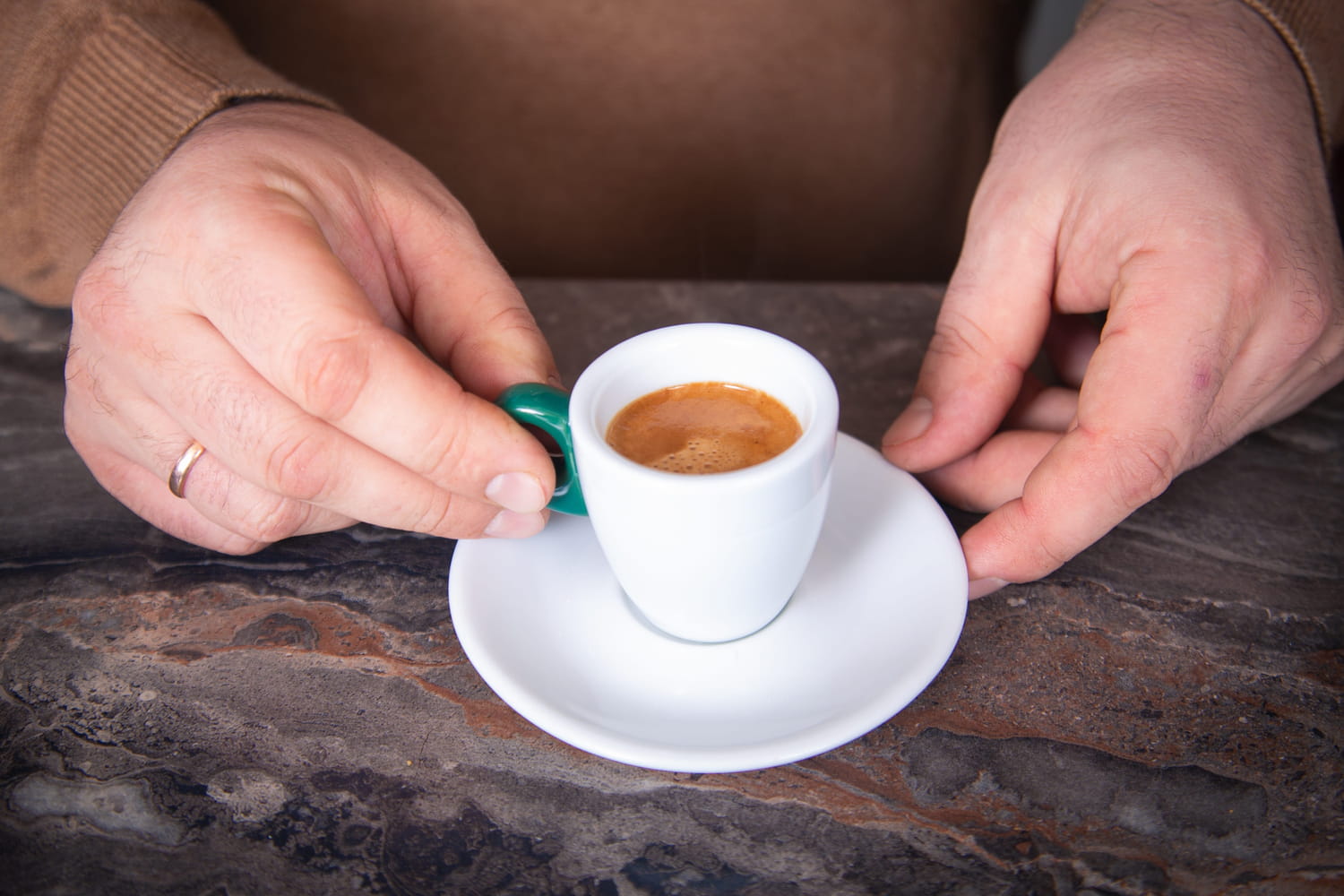
For the purposes of these searches, a “cup” generally corresponds to one espresso (around 30-50 ml). A large “mug” can sometimes count as two cups in terms of caffeine content. If you’re over 70 and love your coffee, don’t panic. It’s not about stopping, but adjusting your habits to compensate for the effects of caffeine. Don’t forget that tea also contains molecules (theine/caffeine) which, although less concentrated, add to the total for the day. It is better to consume your coffee outside of main meals (rich in dairy products or calcium foods) to give the body time to fix calcium without interference.
To counter the slight loss of calcium induced by coffee, make sure you have a sufficient intake of dairy products, calcium mineral waters and green vegetables. Vitamin D (often prescribed as a supplement after age 70) is essential to fix this calcium. Finally, get moving: “load-bearing” physical activity (walking, gymnastics, climbing stairs) remains the best way to stimulate bone production.