


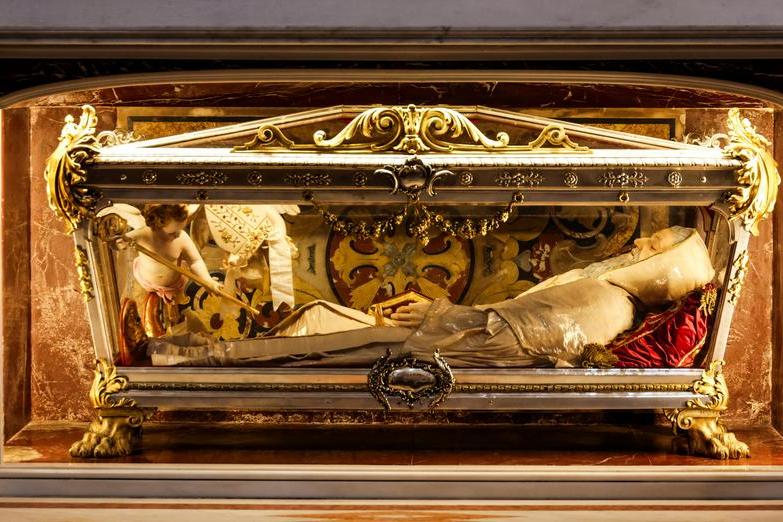



Returning from a visit to a museum, I found myself talking to my son about the relics of the saints. On the one hand, their vision made us feel very close to saints who lived many years ago. On the other we found it a little macabre: entire femurs, fingers, tongues, vertebrae…
A reader
For us moderns, relics sometimes arouse a feeling of the macabre. In the past, at the other extreme, a distorted popular religiosity had made magical use of them, almost as if they were talismans to protect us, or even a trade (forbidden!, being sacramentals).
Two opposite ways of seeing it, which ignore its true value. The relics, which are the bodily remains of saints or objects related to them, are placed for veneration by the faithful (never to adoration, which is owed only to God) to remind us that God, with the strength of his grace, has granted to fragile beings (of which those “finds” are testimony) the gift of holiness and the courage to testify to it.
They are, ultimately, a reminder that it is possible for us too. They are traces of that invisible, but real presence of the Light that illuminates the darkness of the world. Ultimately, the veneration of the images and relics of the saints, offering them to our affection towards them, aims to direct our spirit to strongly desire the Lord.